For the second consecutive year, LSE handled the technical production for this National Day.
Position: Project Manager – Lighting Designer



For the second consecutive year, LSE handled the technical production for this National Day.
Position: Project Manager – Lighting Designer
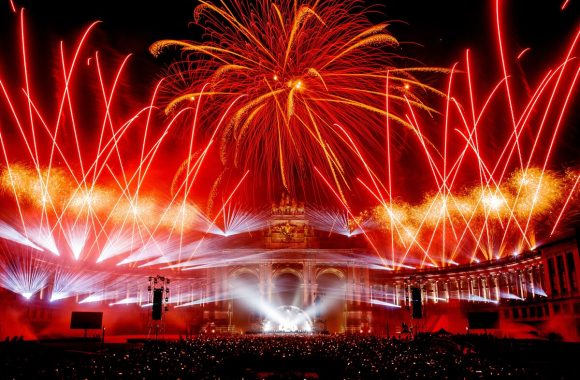
For the first time, LSE is providing all the technical equipment for this spectacular show.


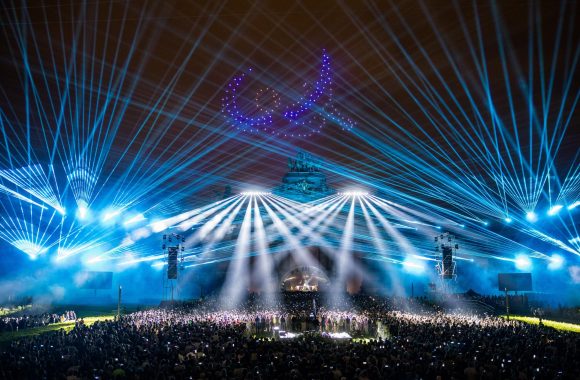
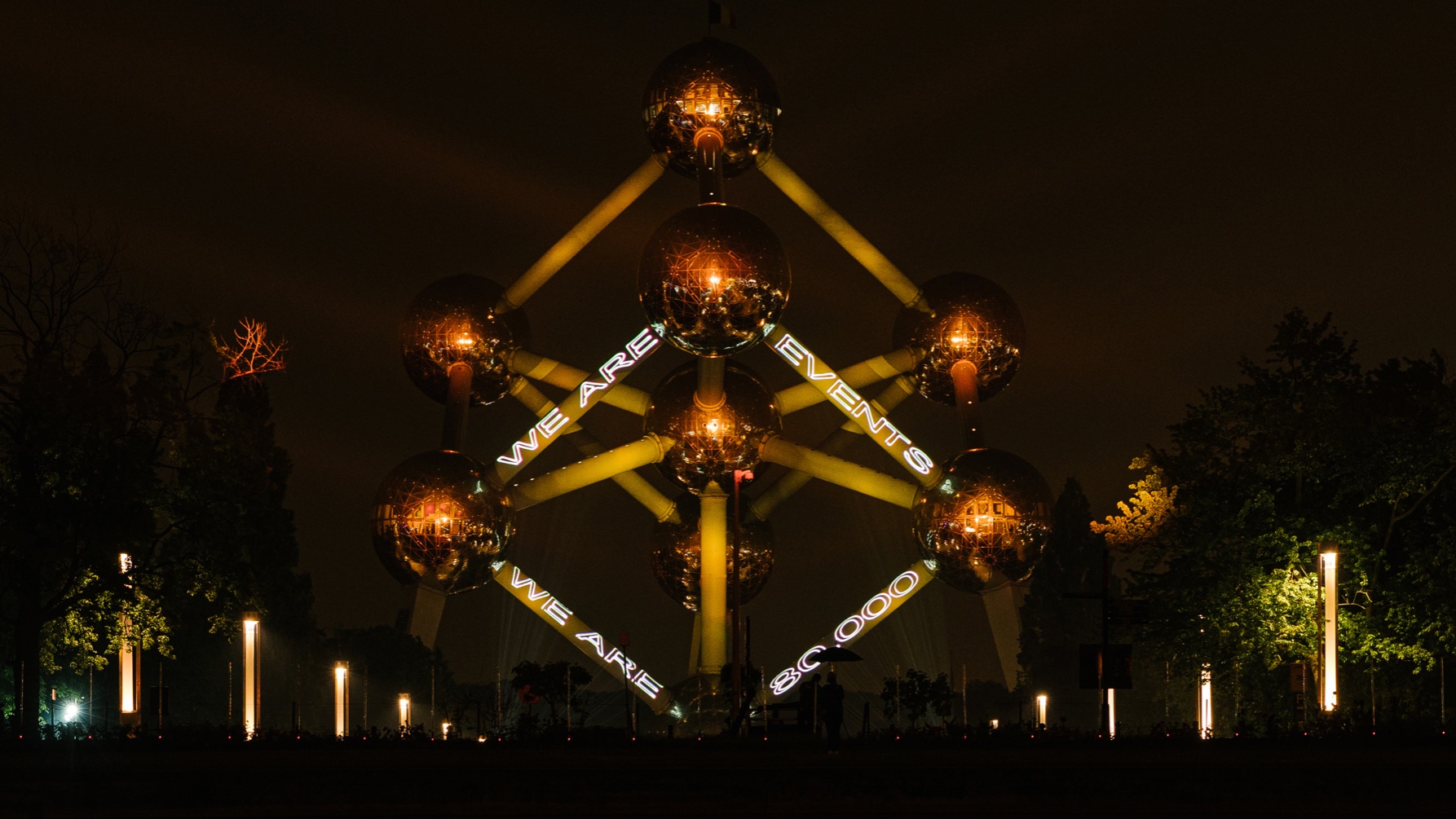
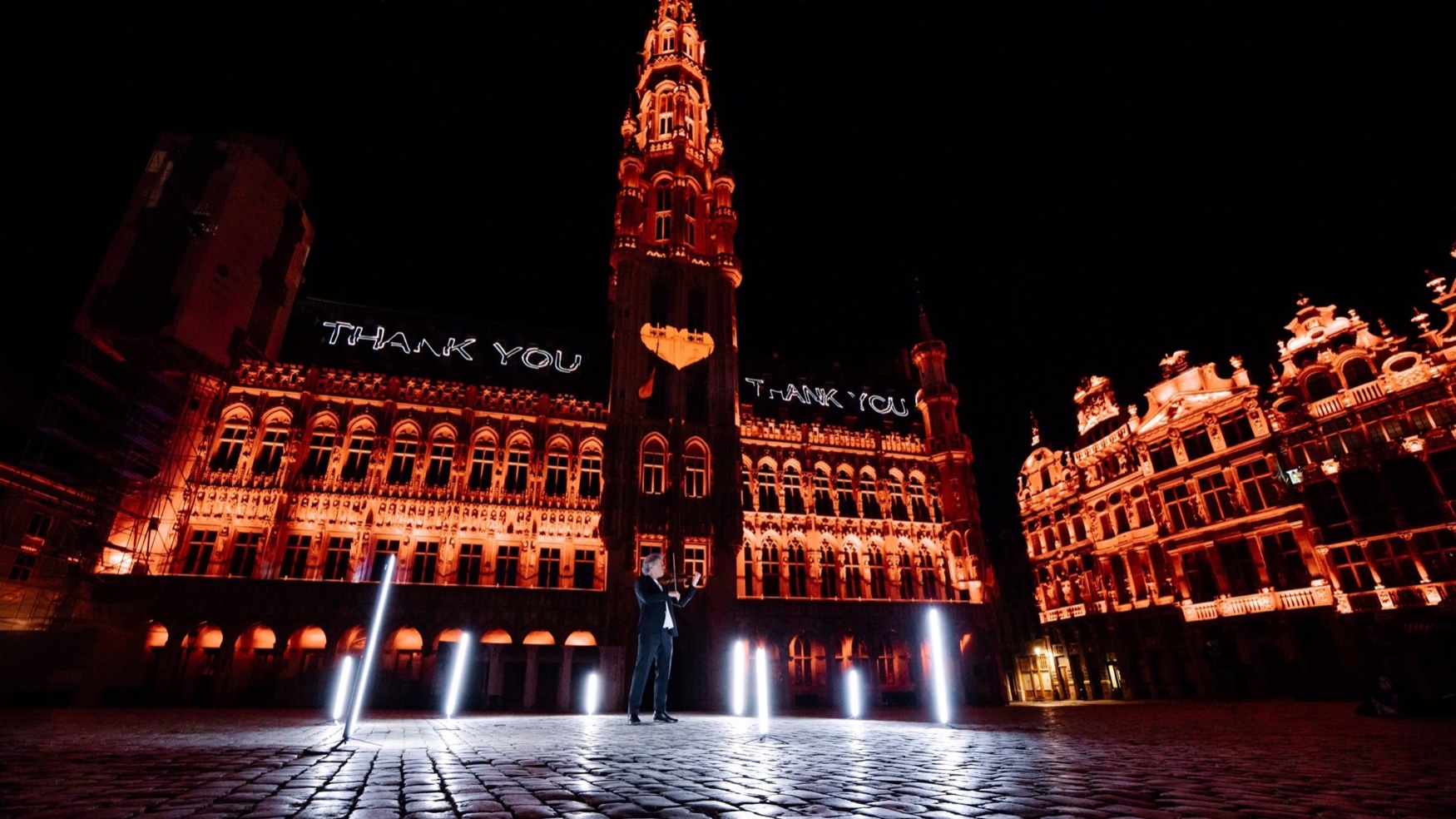
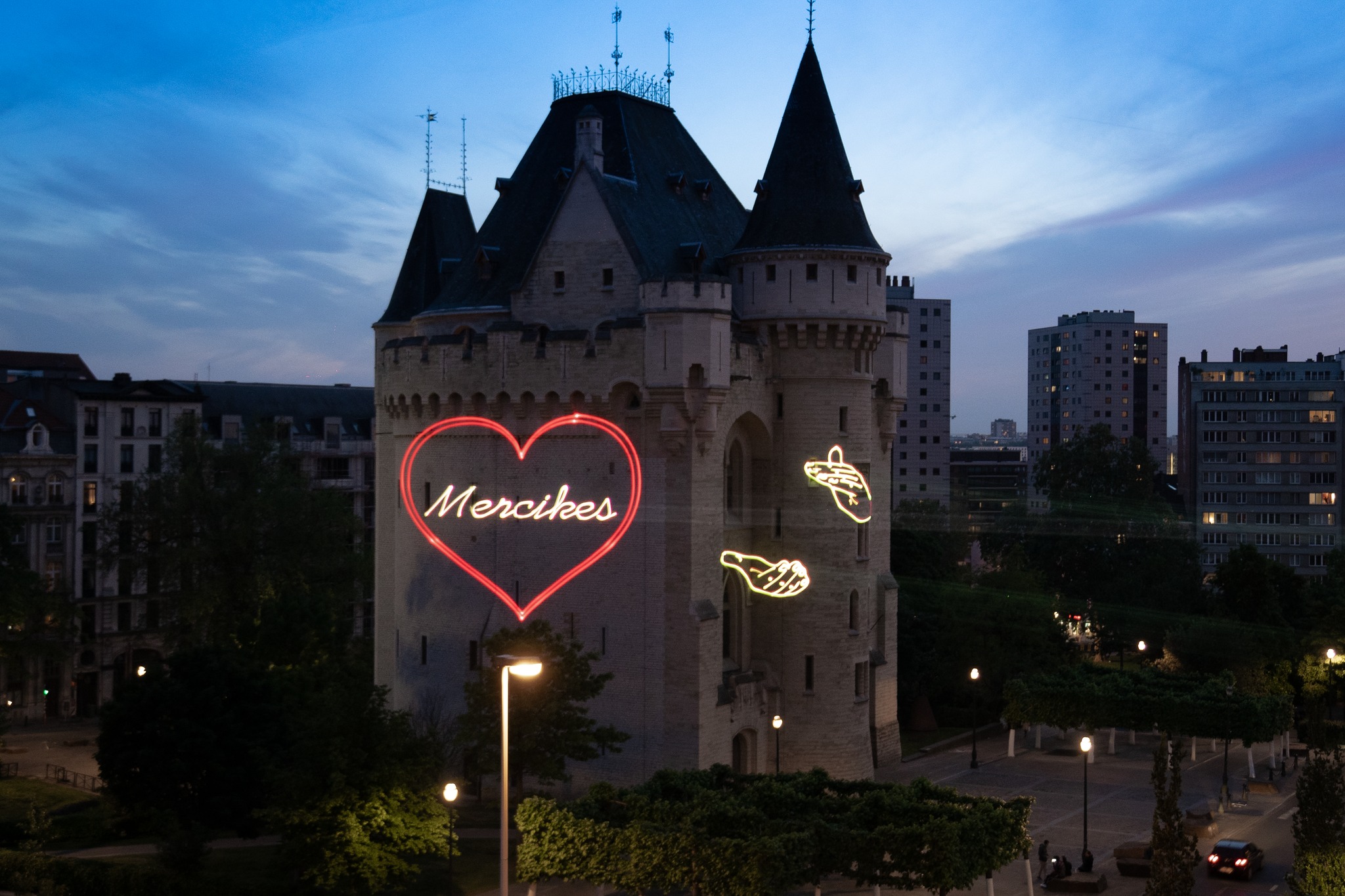
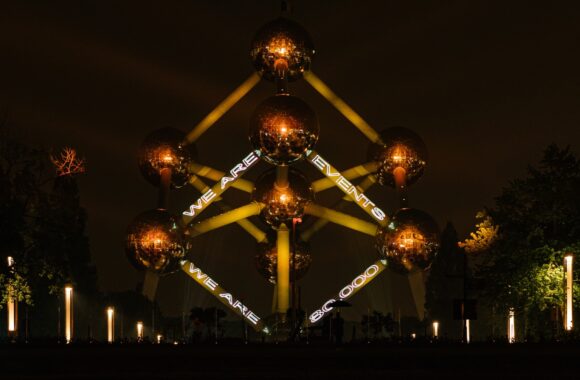
StaySafe.Events was a Belgian initiative launched during the Covid-19 pandemic to support the event industry in the face of health restrictions. It helped organizers maintain safe events through guidelines, sanitary equipment, digital solutions, and the CERM risk analysis tool. Corporate events, conferences, seminars, and shows could thus be organized under specific conditions. The initiative also carried out symbolic actions, such as projections of thank-you messages for healthcare workers on iconic buildings (e.g., in Brussels), light and sound installations, and adapted outdoor and hybrid cultural events. Driven notably by d-side group, StaySafe.Events aimed to prevent the complete shutdown of the sector by offering safe and responsible alternatives.
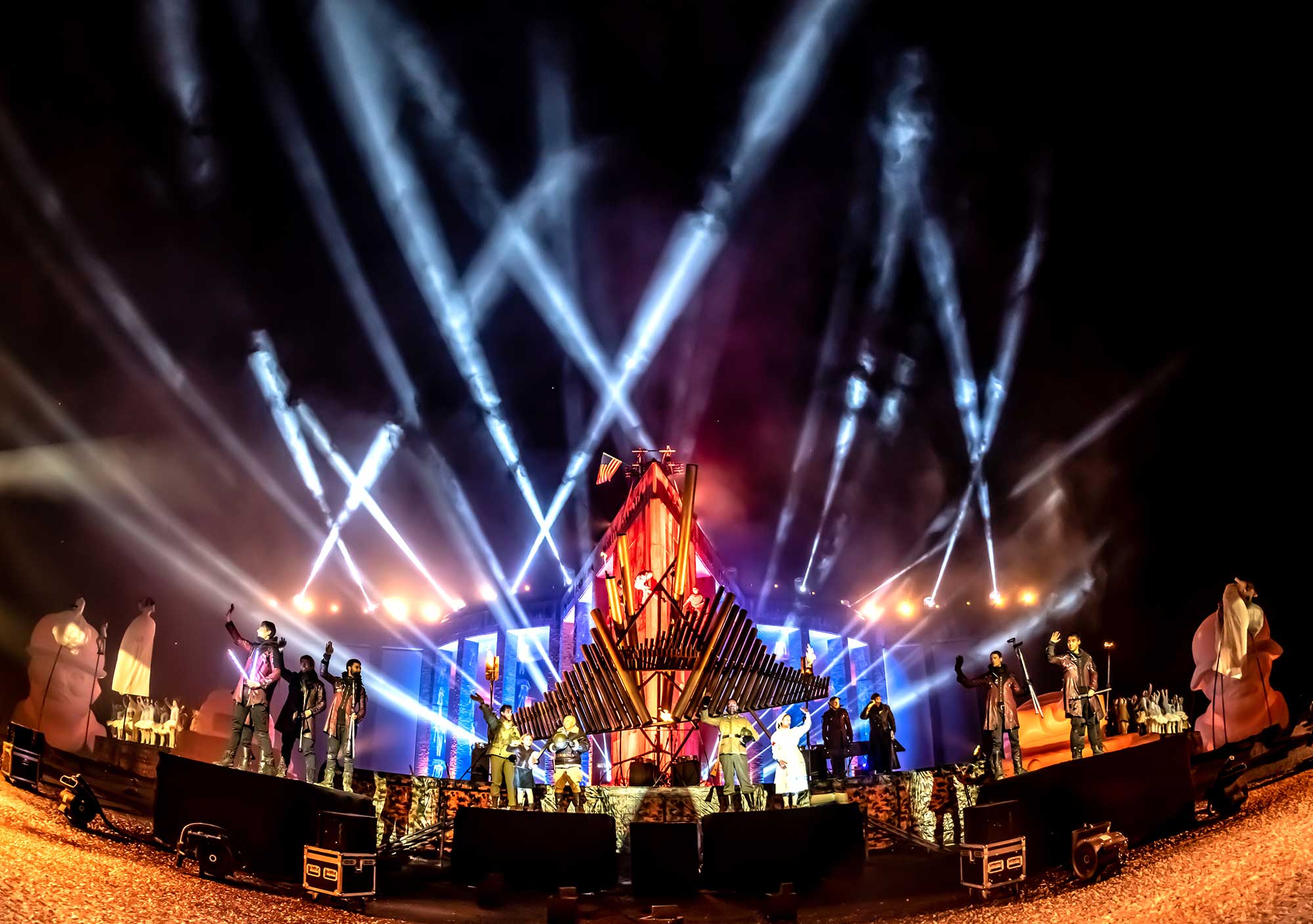
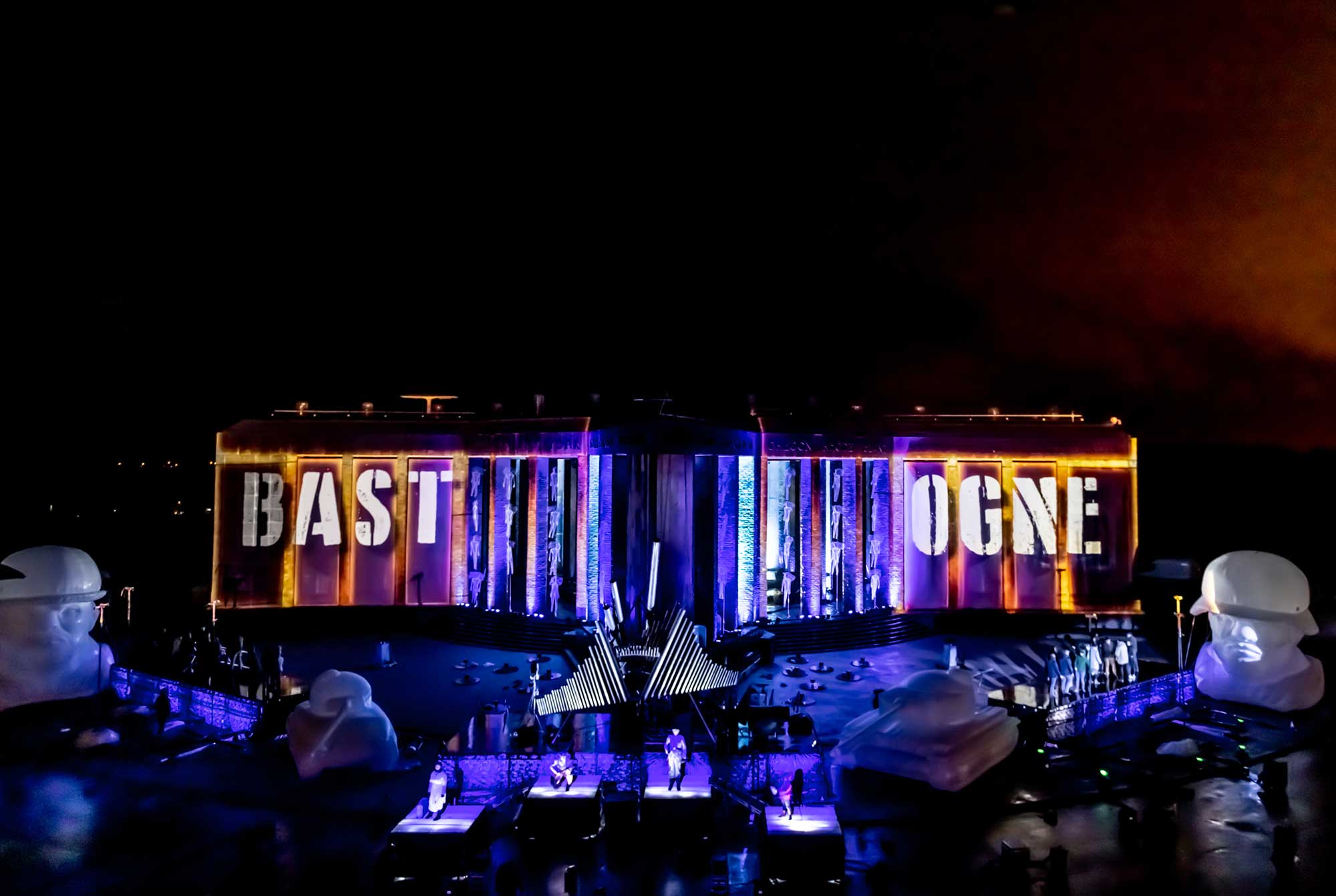
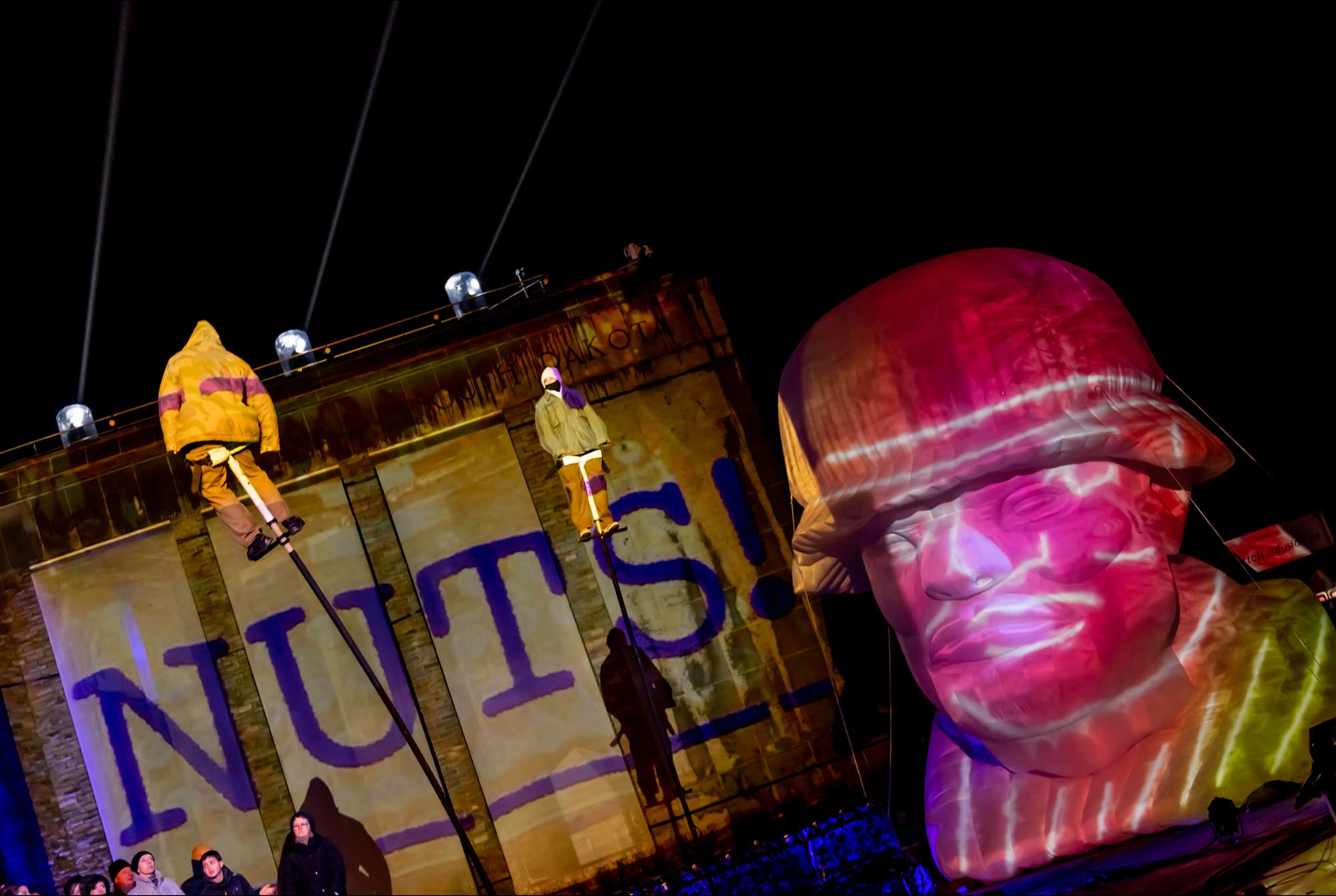
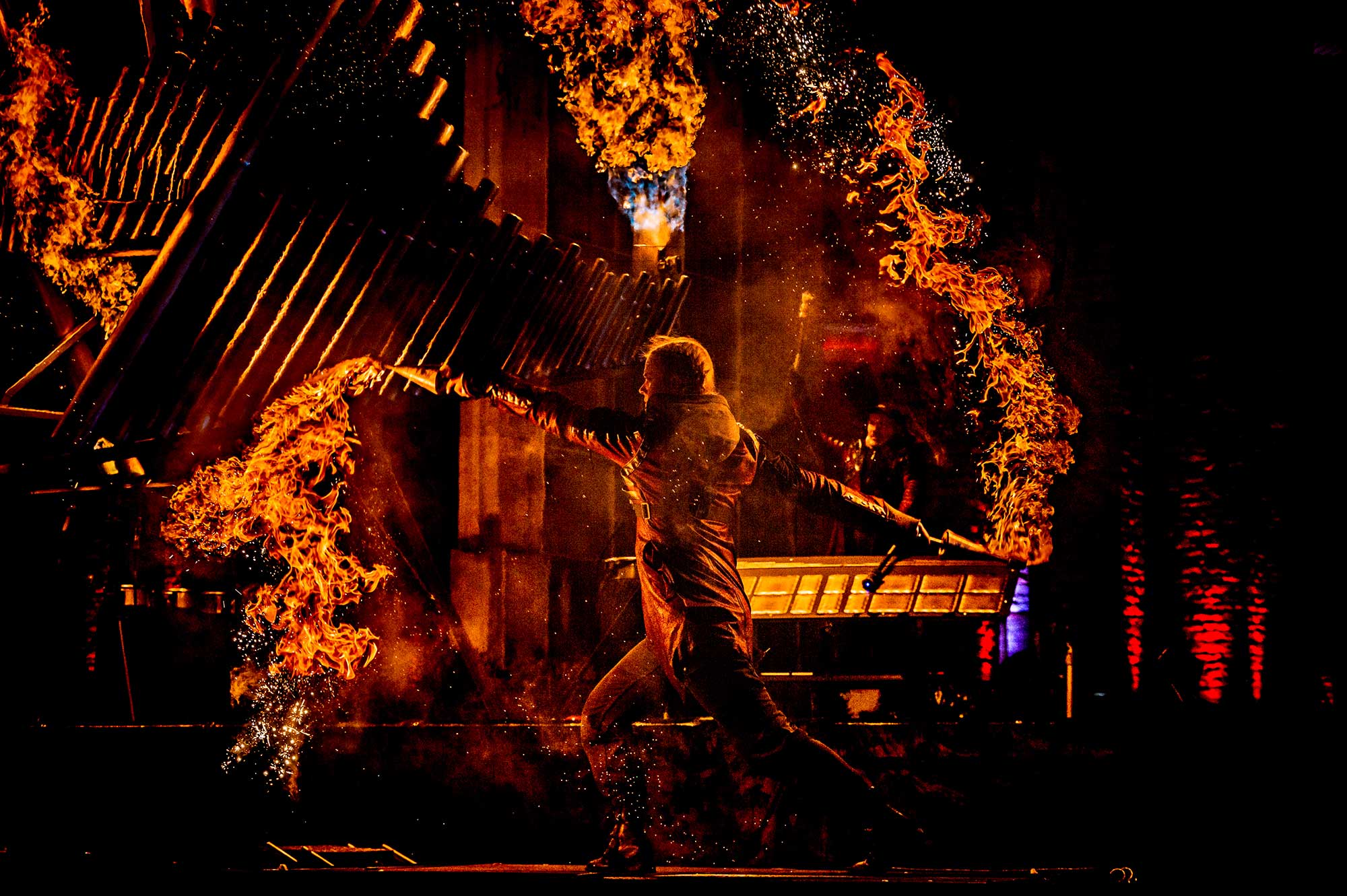
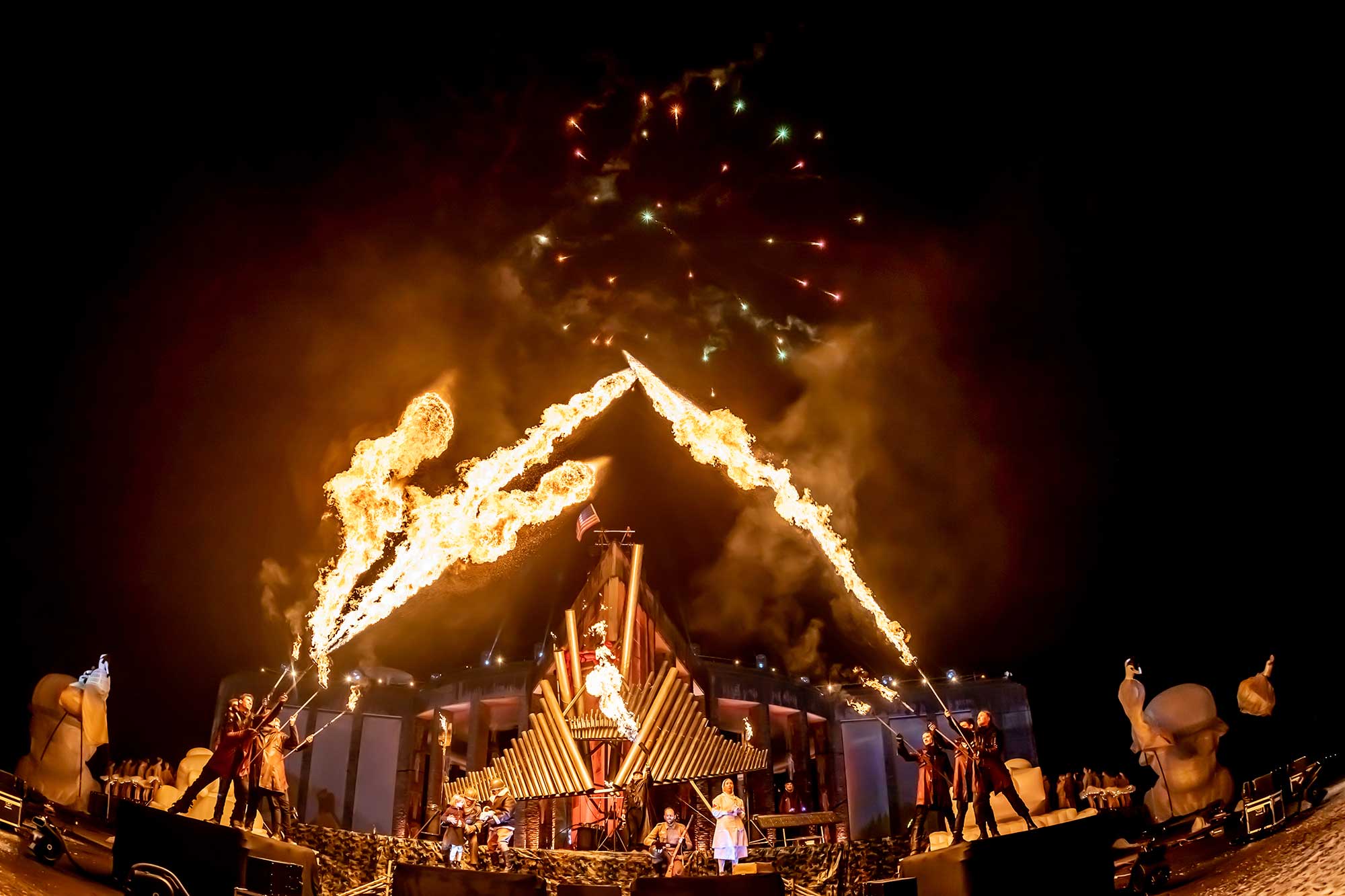
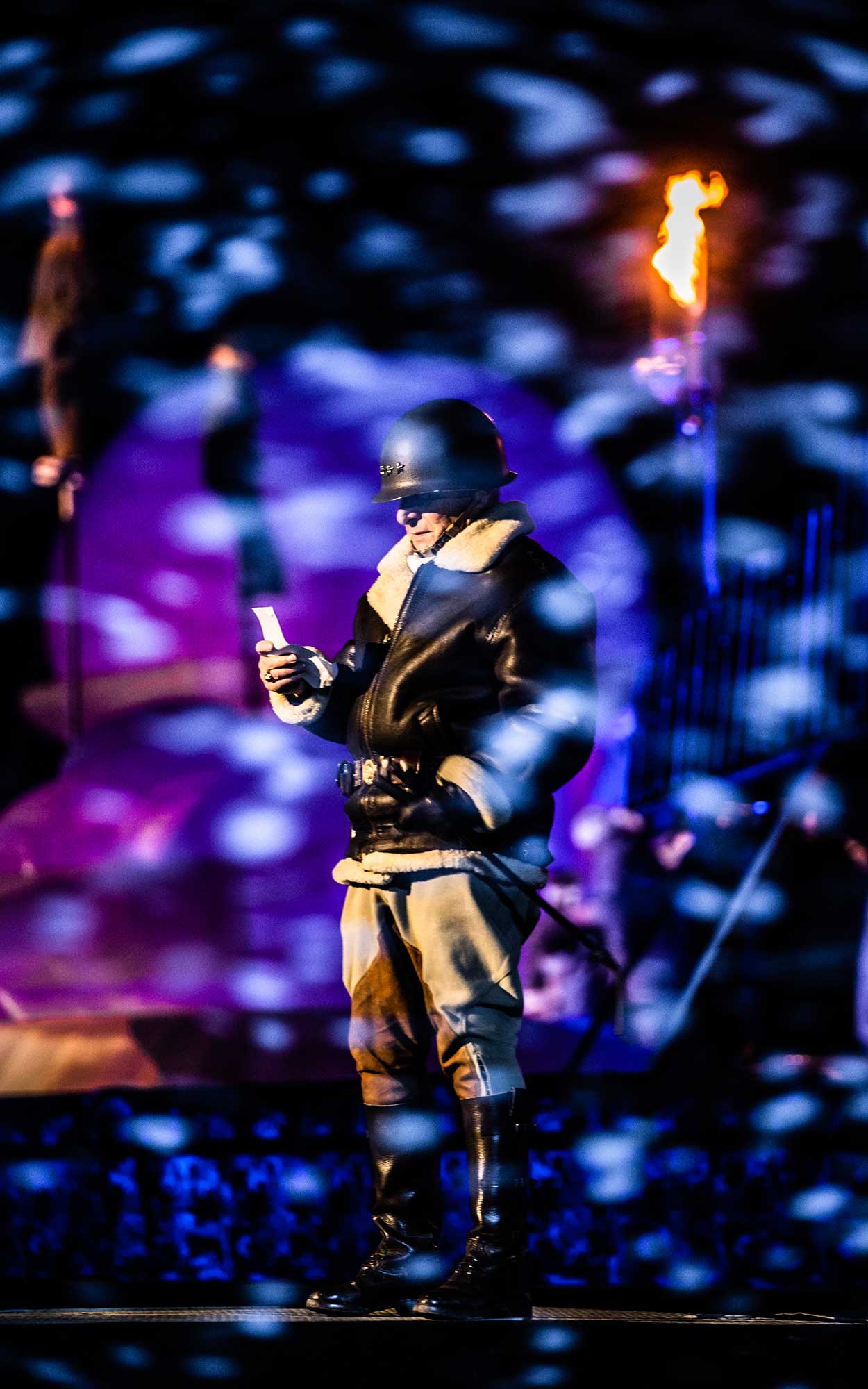
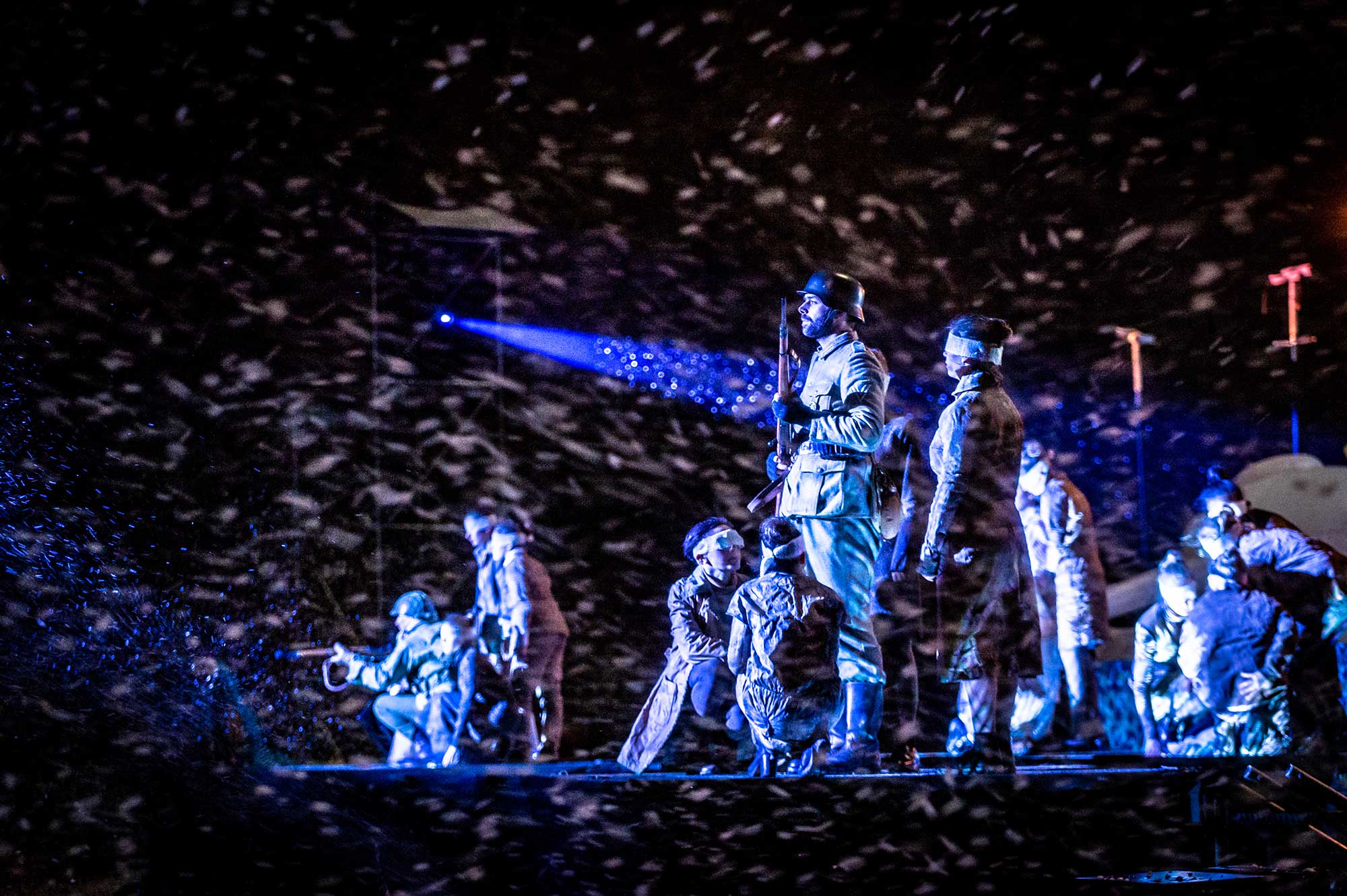
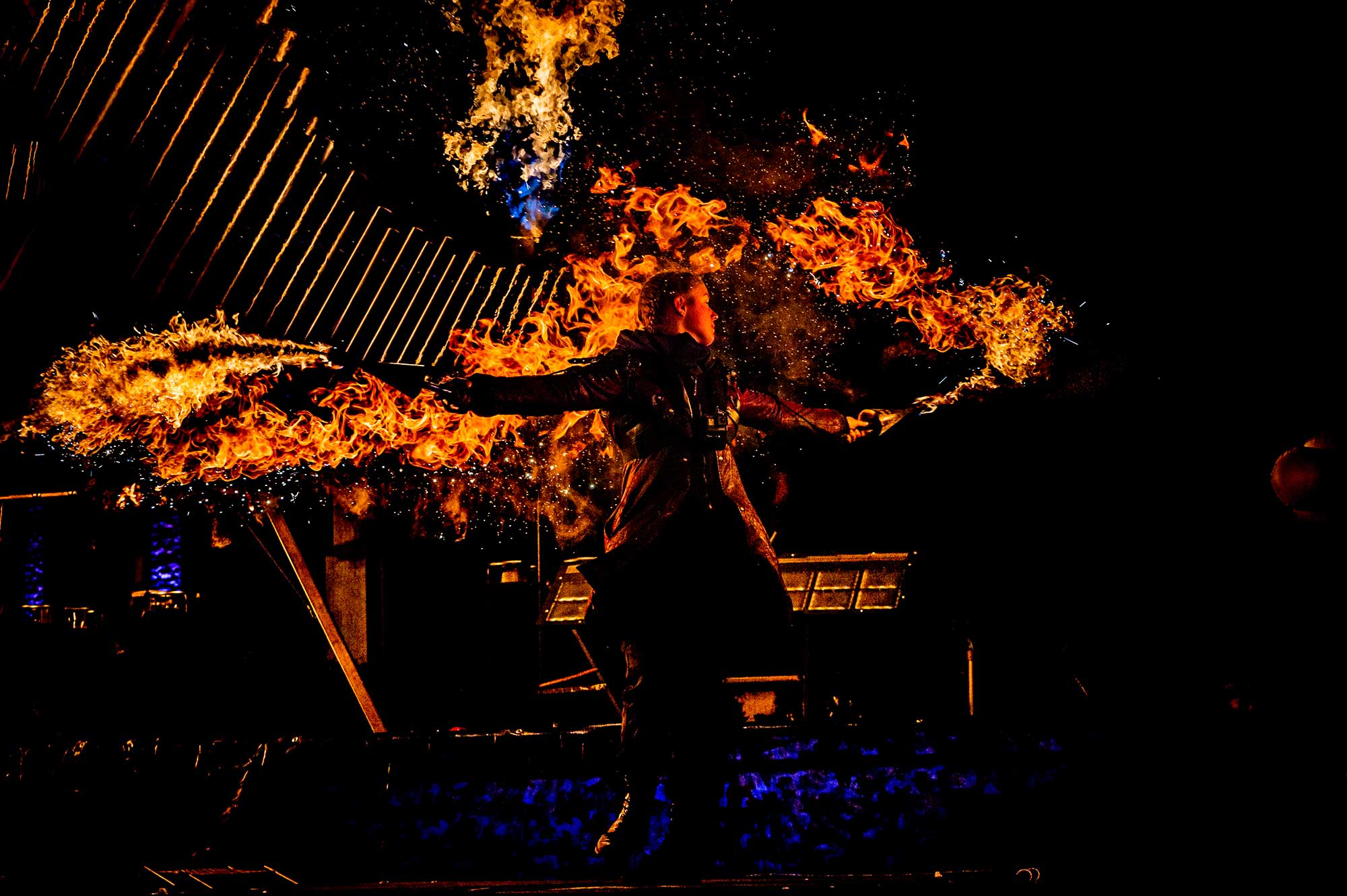
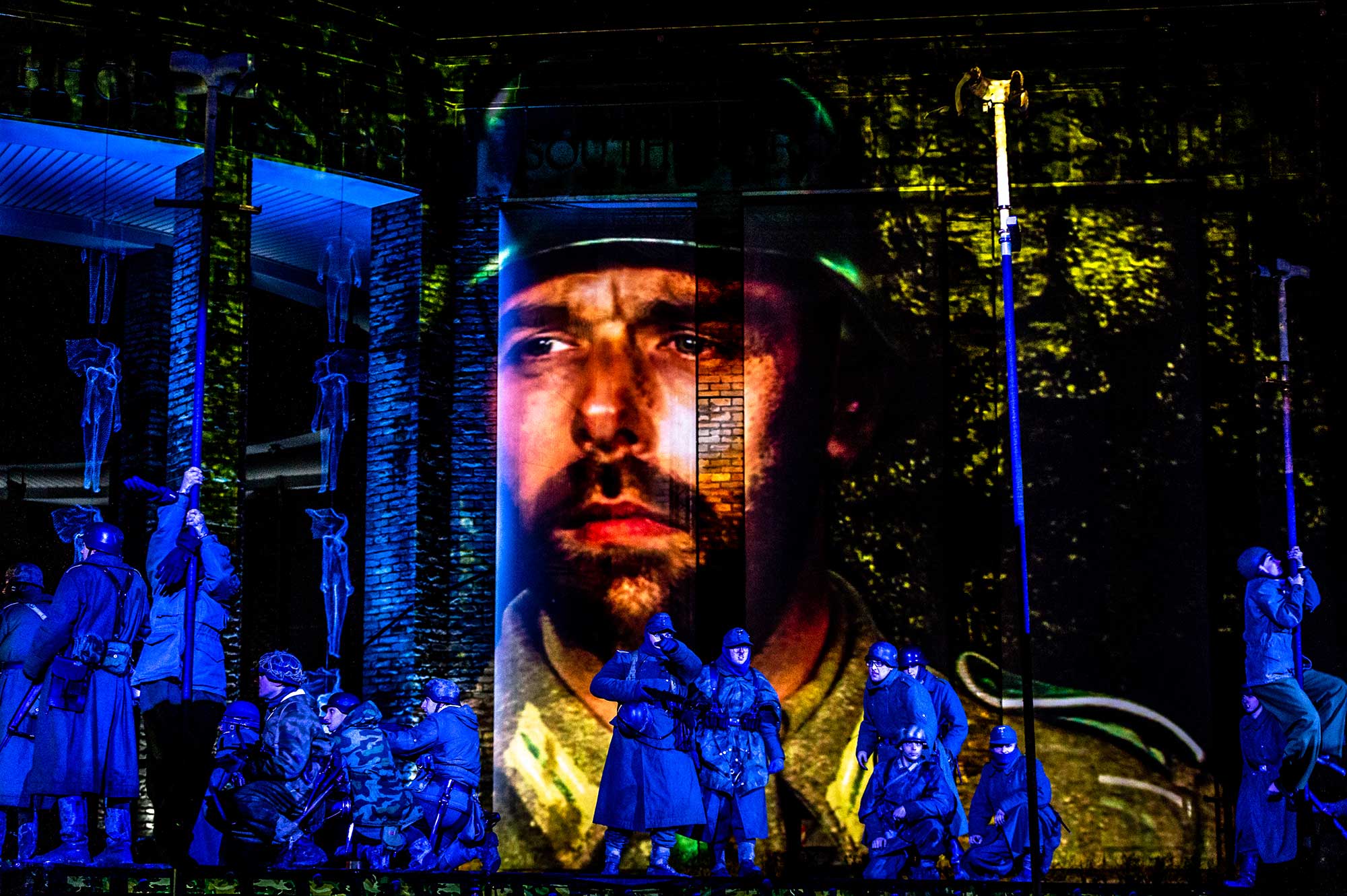
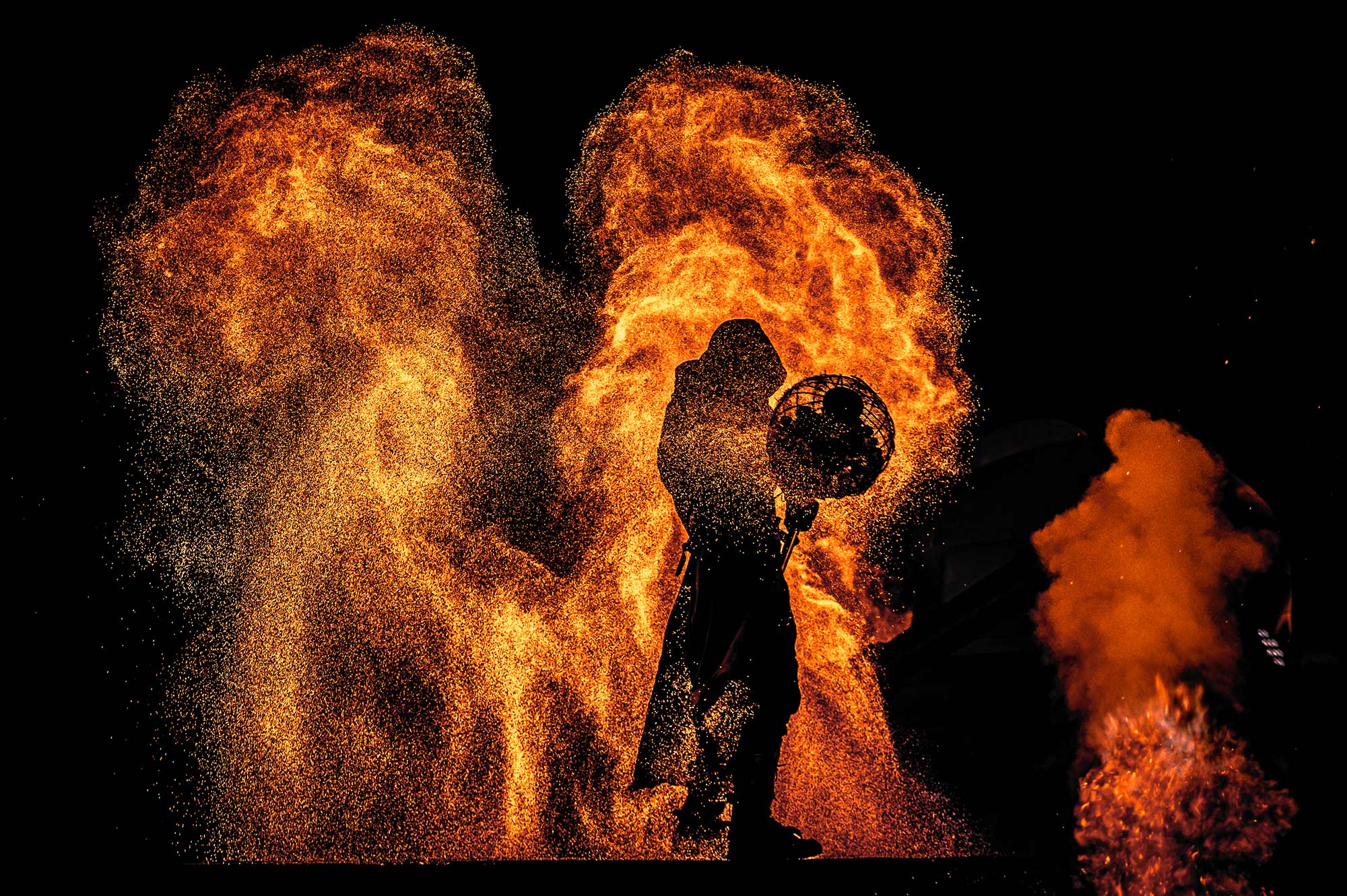
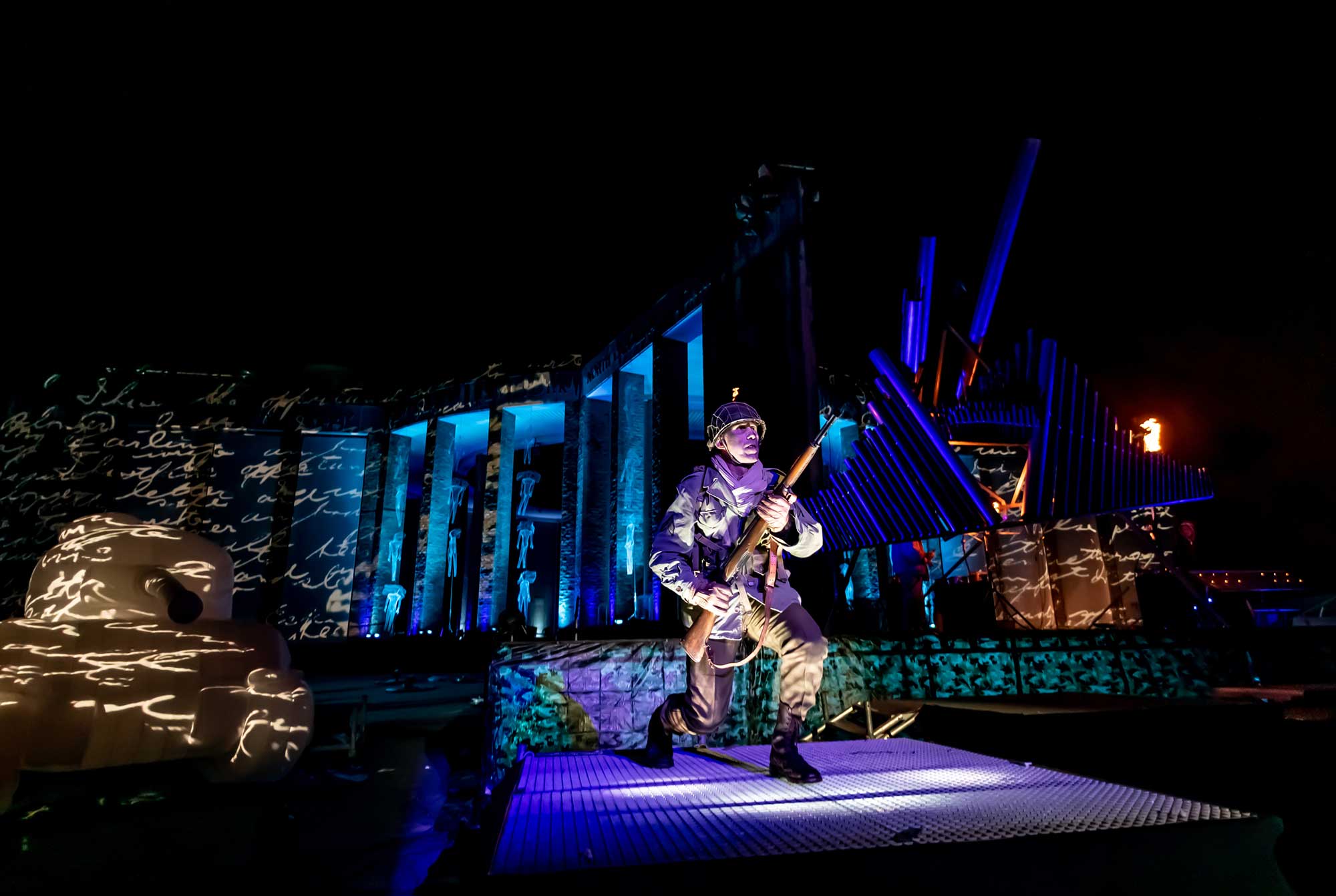
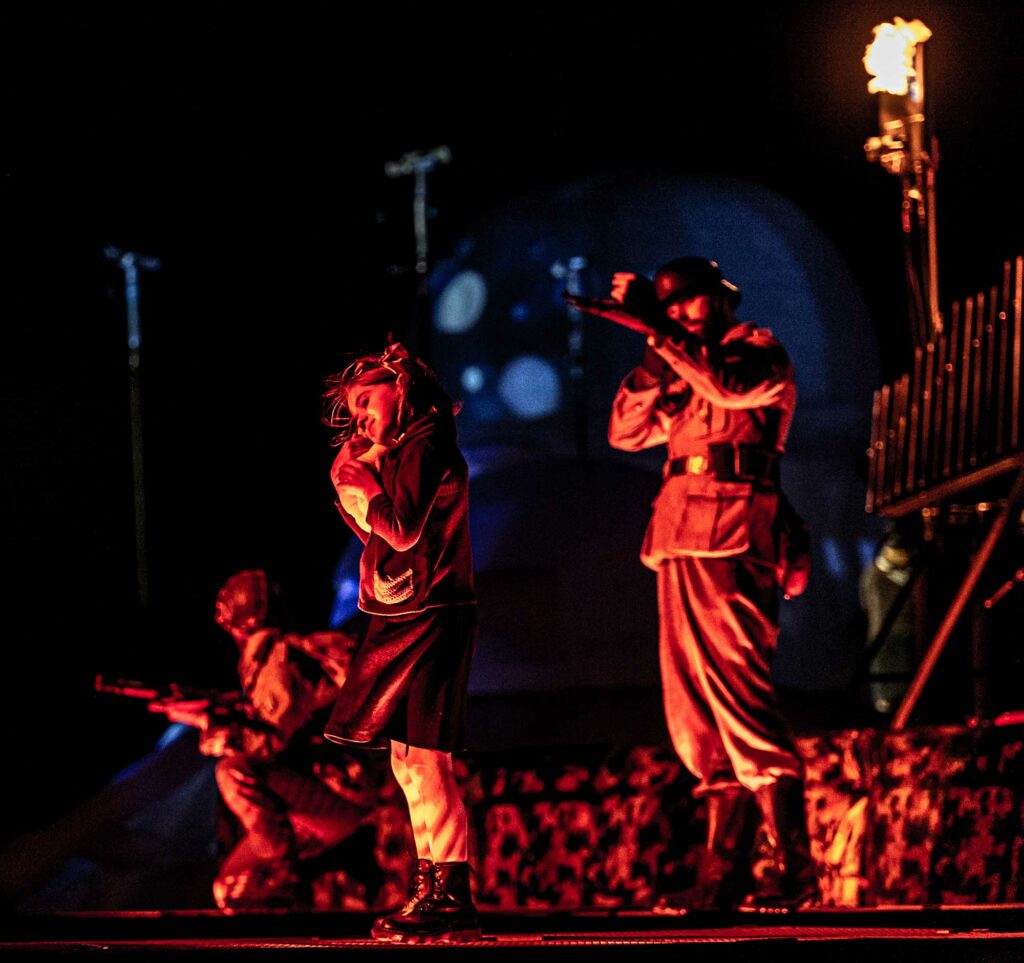
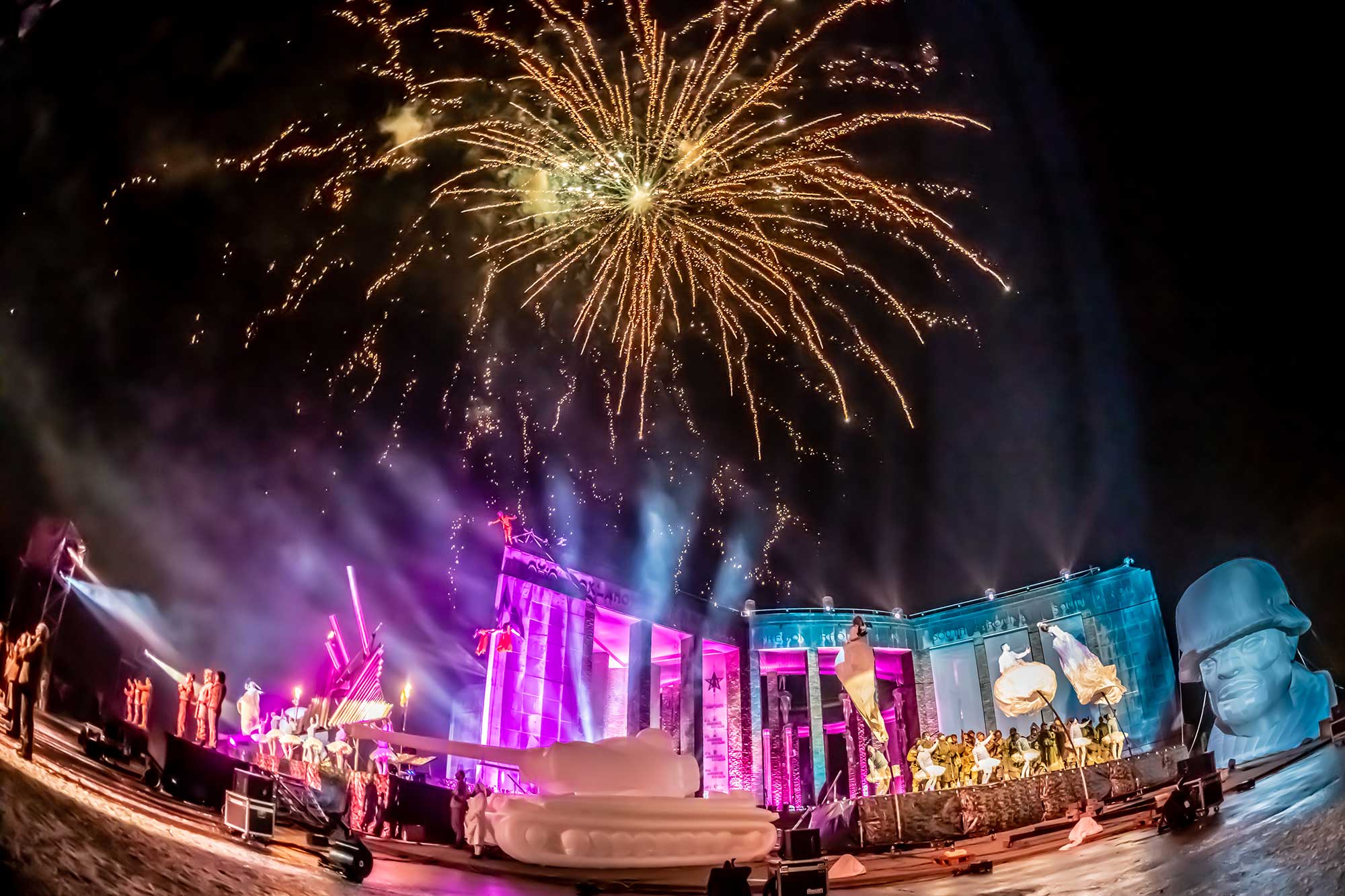
As part of the commemorations of the Roads of Liberty, we participated in the lighting design and operation for several shows conceived by Luc Petit.
Staged at various locations, these events combined historical narration, artistic performances, and large-scale scenic installations, set in outdoor environments rich in symbolism.
We developed a lighting narrative to serve the story, aiming to structure the space, accompany the scenes, and enhance the emotional dimension of the show, while respecting the specific constraints related to the venues and outdoor conditions.
Our involvement was in close collaboration with the artistic and technical teams (sound, video, effects), requiring precise synchronization and great adaptability in live conditions.
We ensured the operation of the lighting systems for all performances, maintaining a high level of reliability, consistency, and precision.
Position: Light designer and operator
Art direction and staging: Luc PETIT
Organizers: The City of Bastogne
Production: Les Nocturnales ASBL
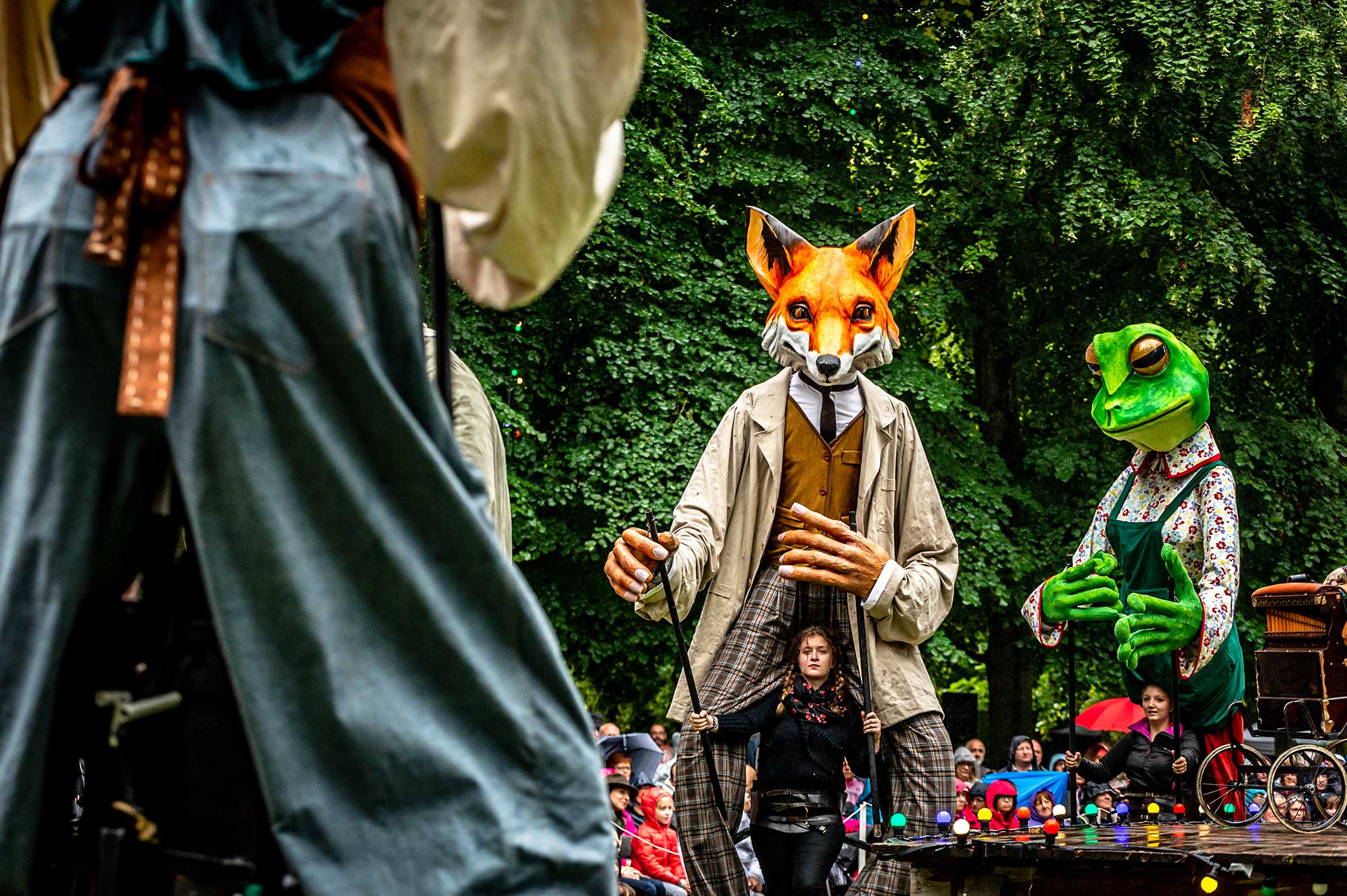
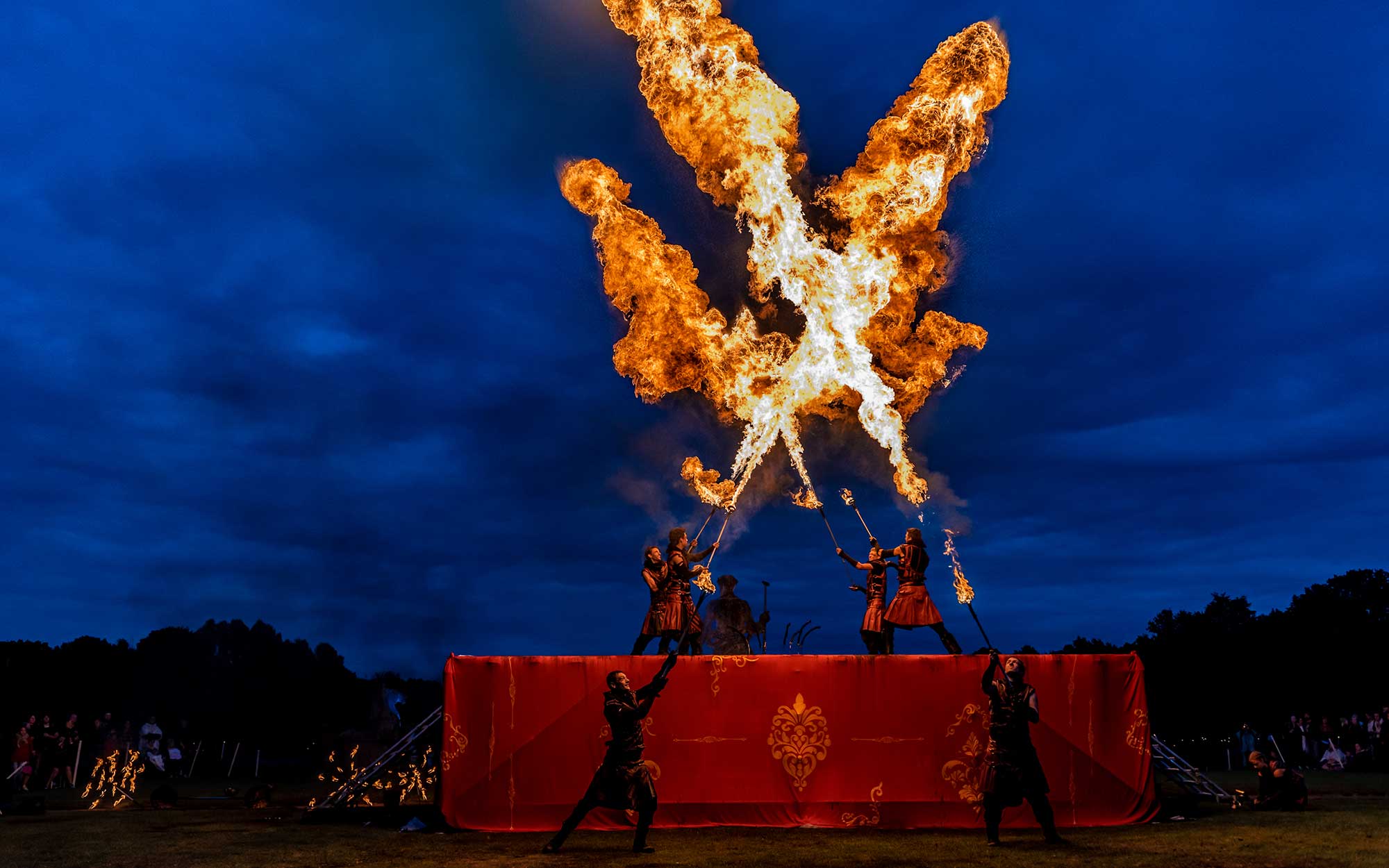
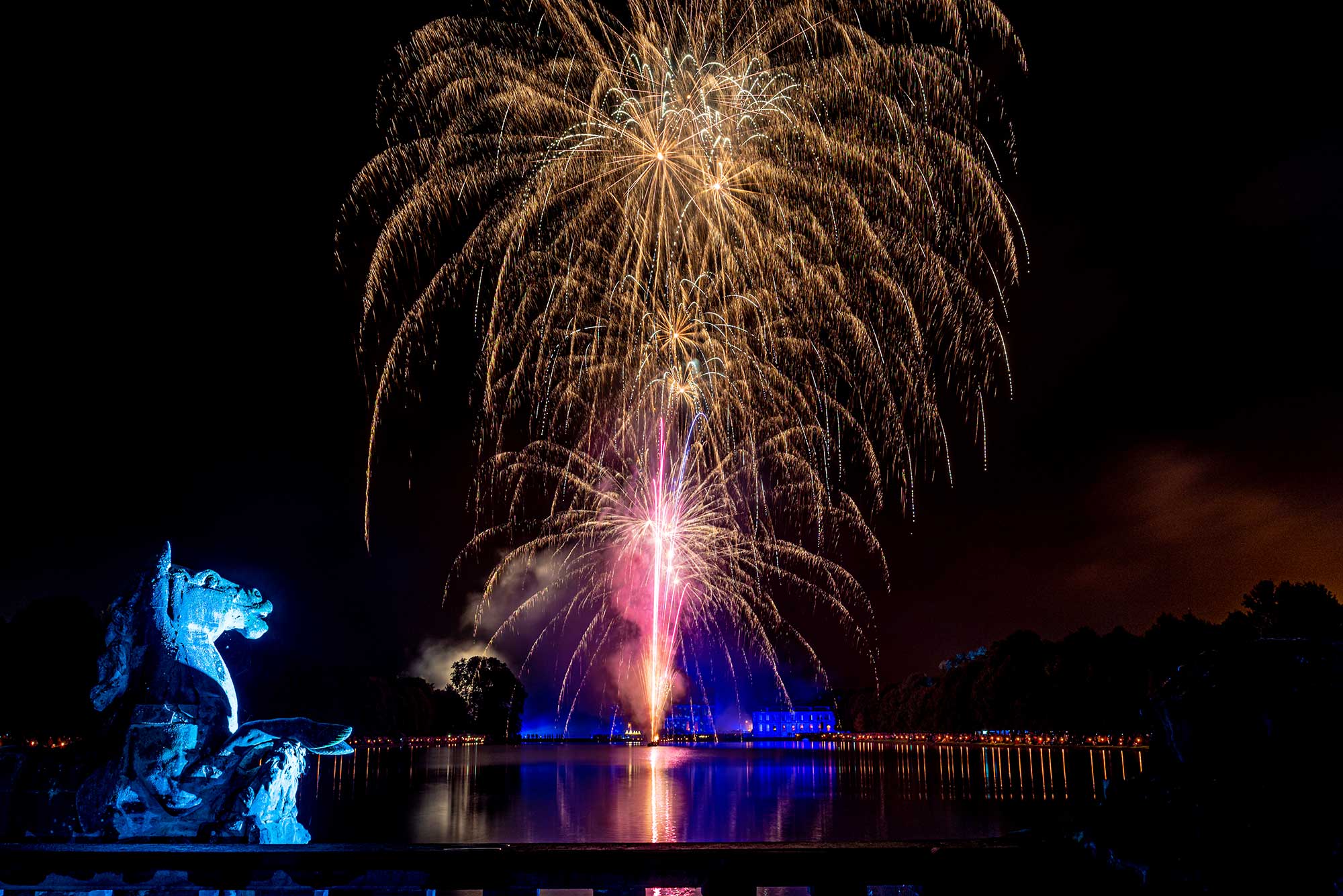
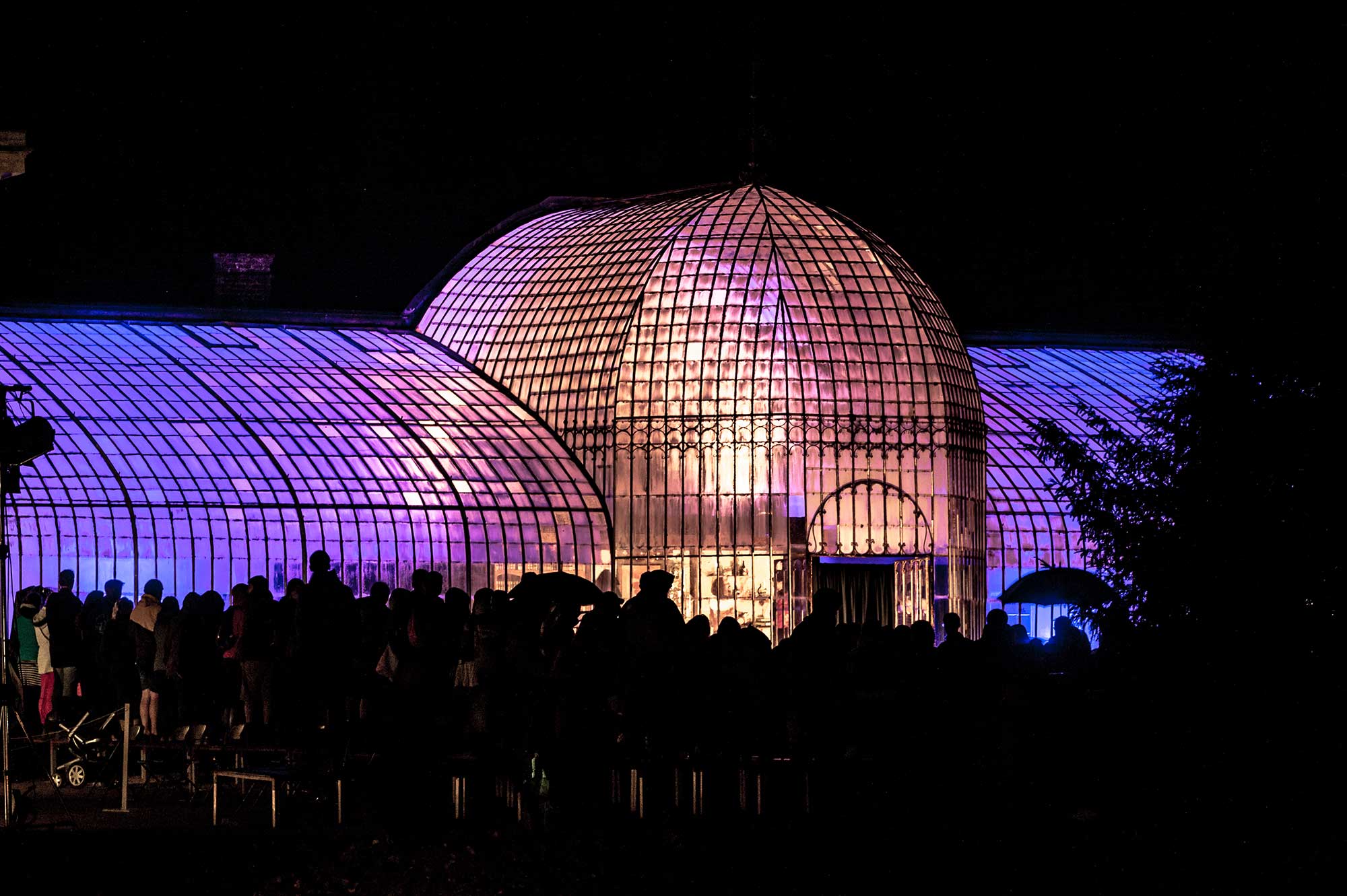
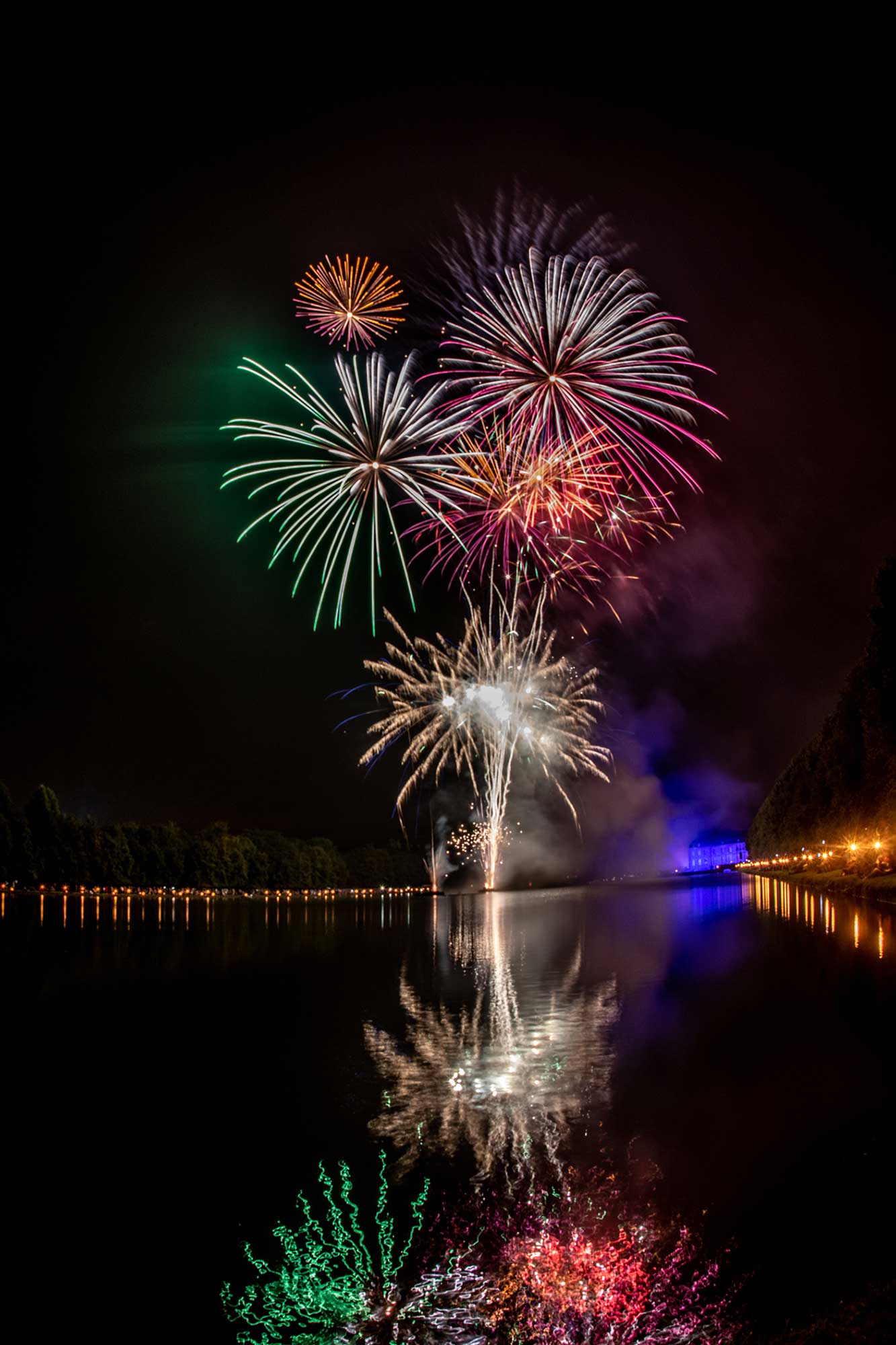
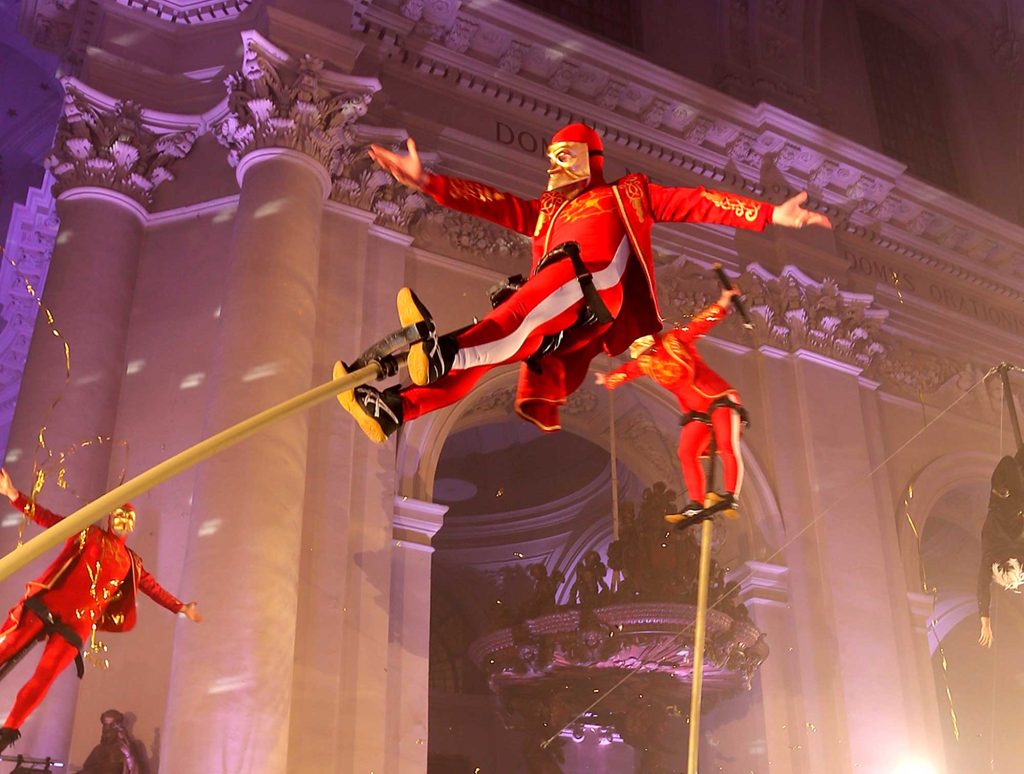
As part of Les Féeries de Beloeil, we contributed to the lighting design and operation for this production staged by Luc Petit, deployed at the heart of the Beloeil Castle estate.
Conceived as an immersive route combining aerial performances, on-water interventions, and outdoor scenes, the show unfolded within a rich landscaped setting, between gardens, planted vistas, and heritage architecture.
We developed a lighting concept aimed at structuring the spaces, revealing the site’s depth, and supporting the various artistic sequences, seeking a balance between atmosphere, clarity, and visual impact.
Our involvement required a comprehensive approach to the site, integrating outdoor constraints, multiple viewpoints, and coexistence with other disciplines (acrobatics, music, effects), requiring precise synchronization and strong adaptability under live conditions.
We ensured the operation of an extensive lighting setup, with a high level of rigor in terms of consistency, precision, and reliability.
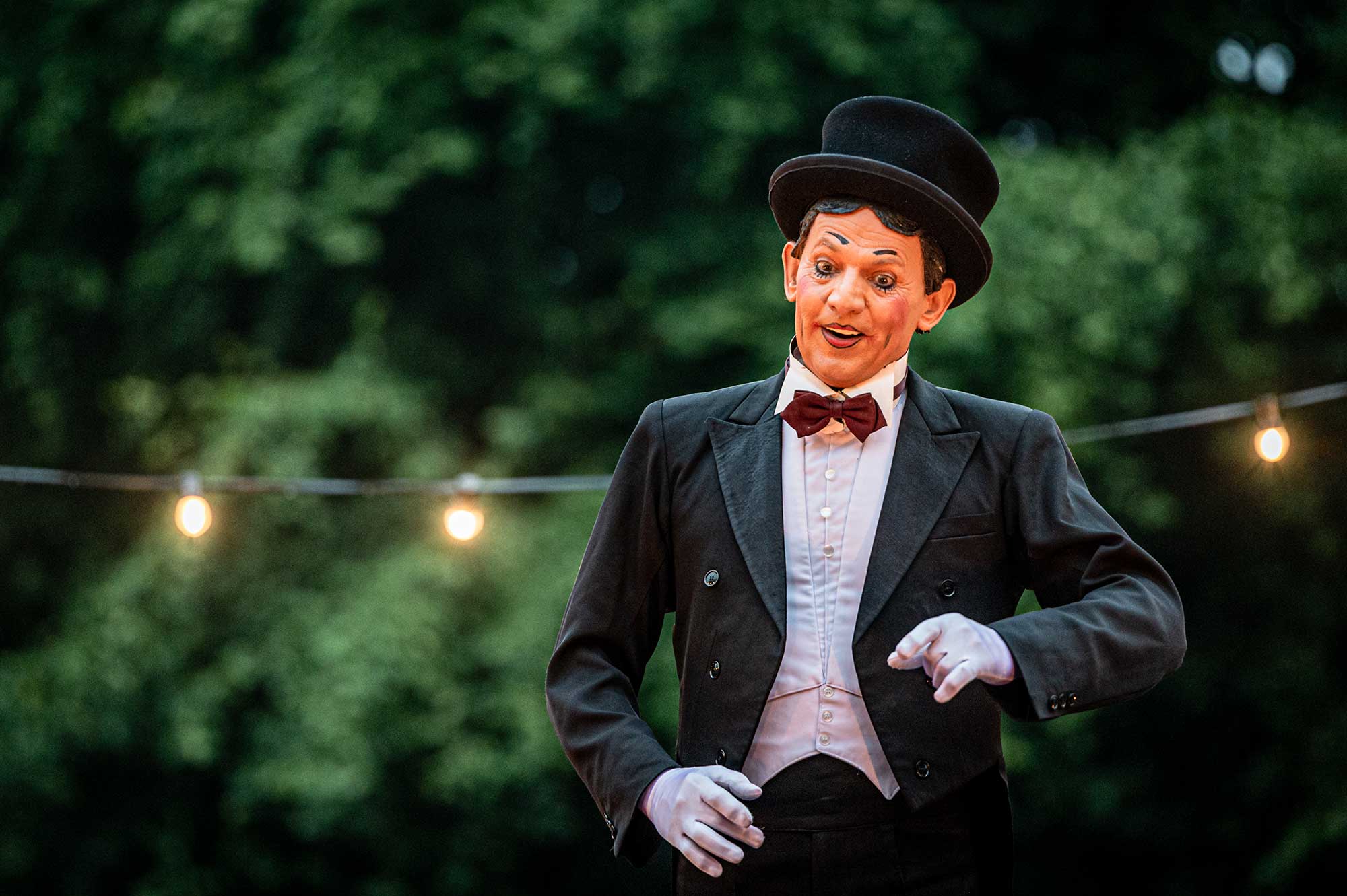
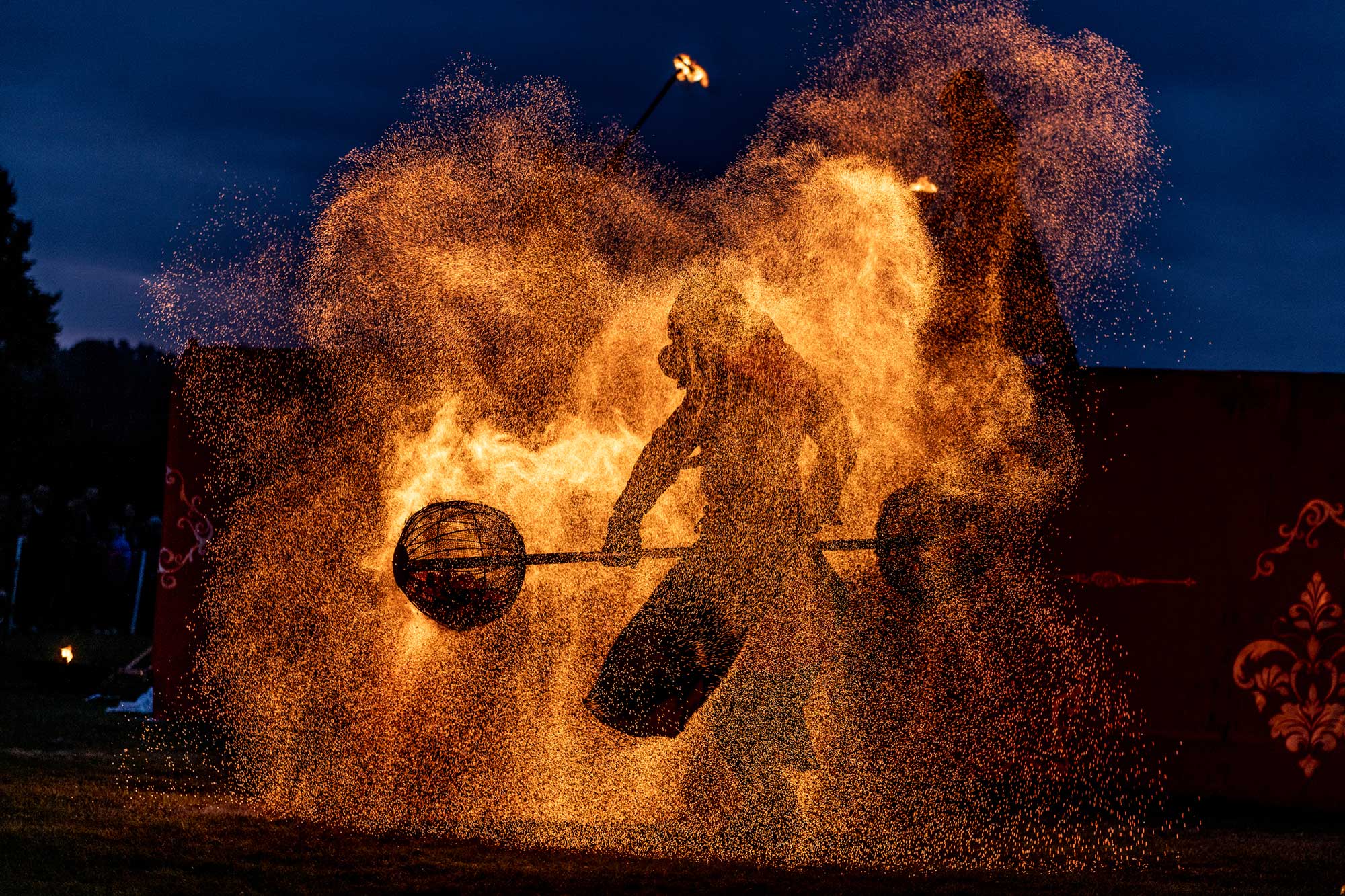
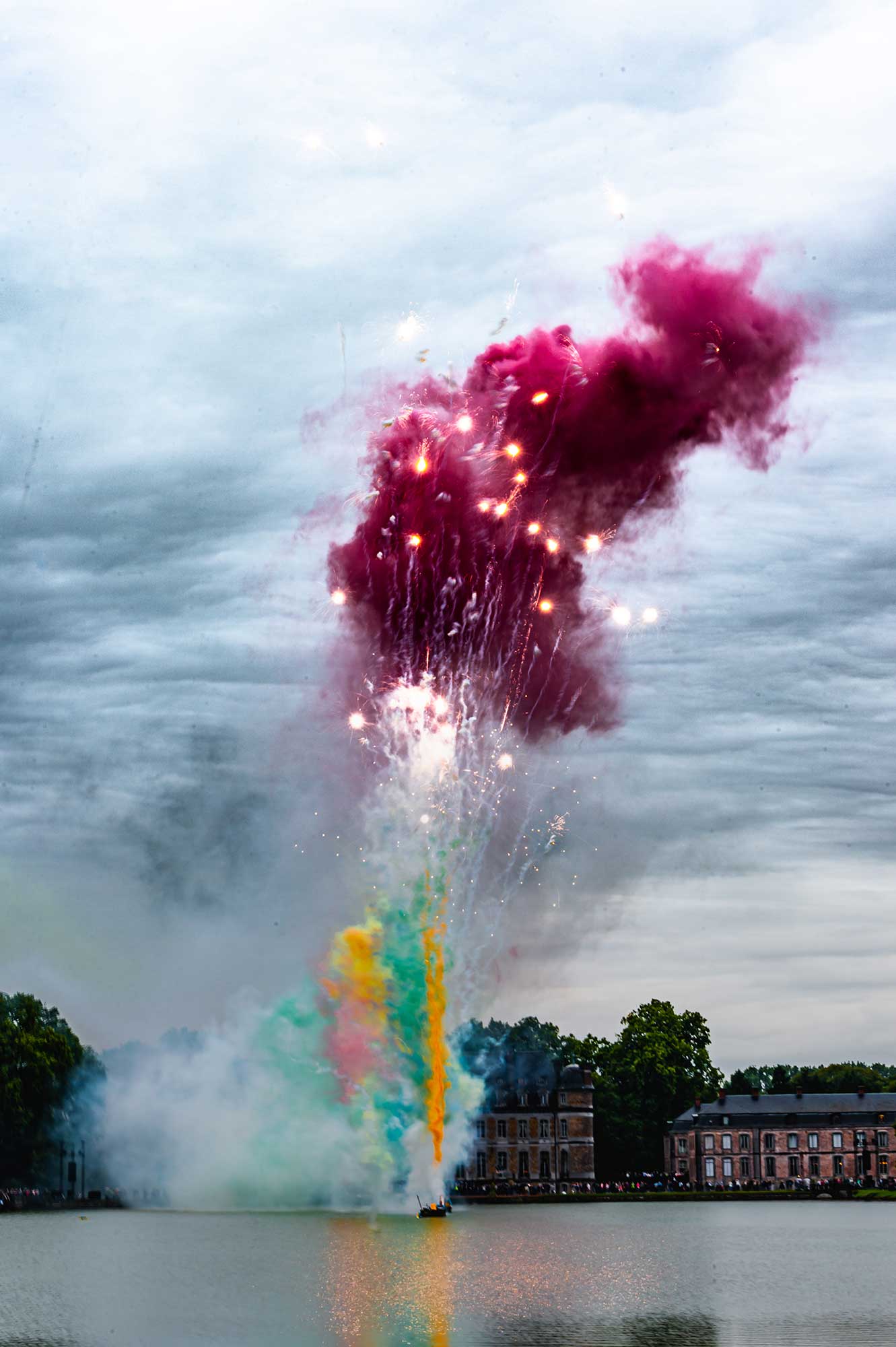
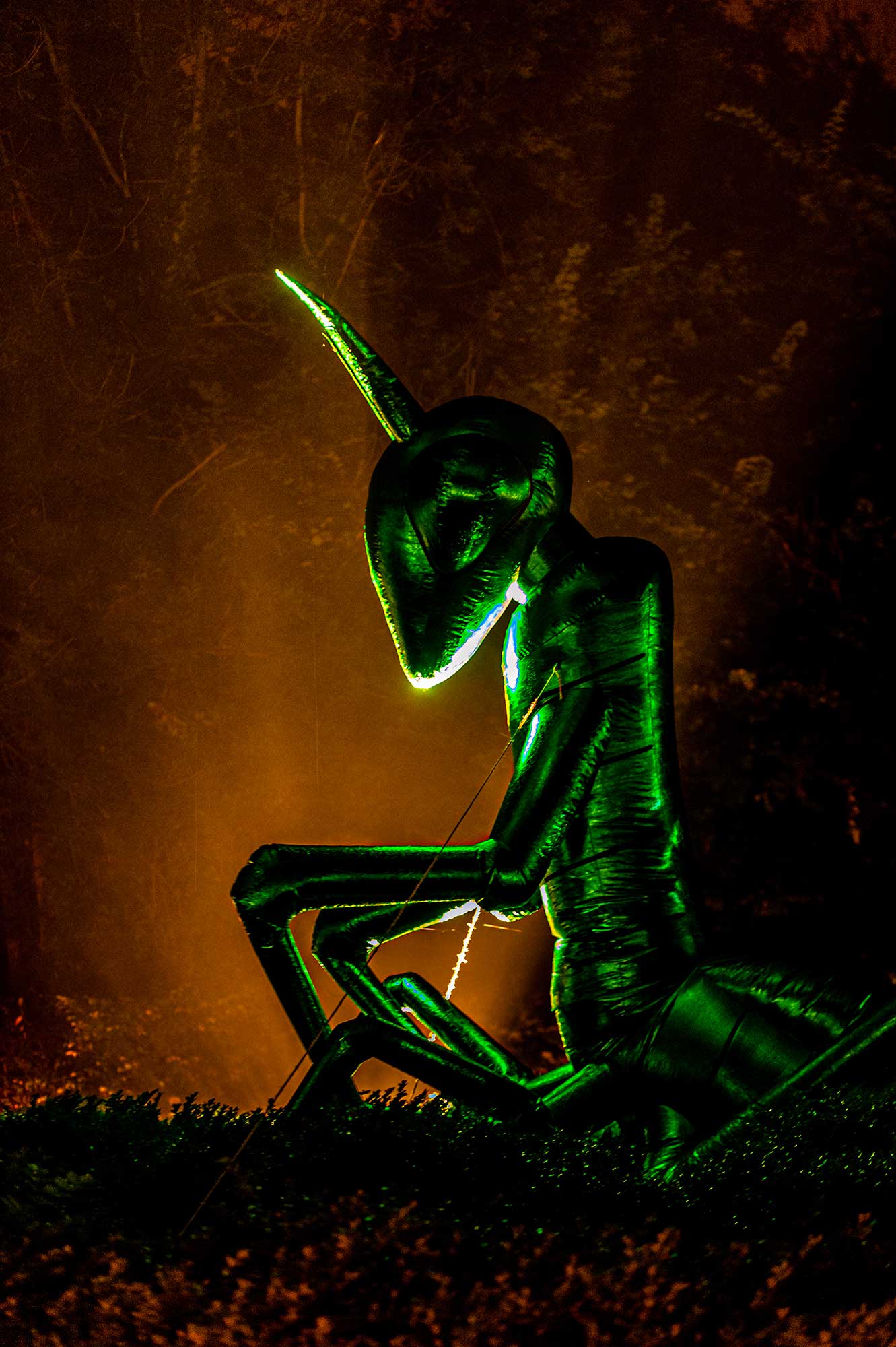
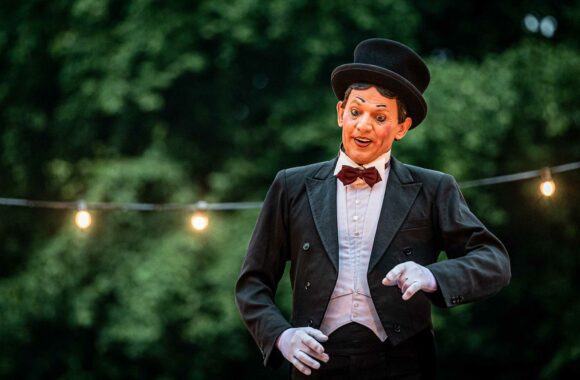
A show where architecture comes alive.
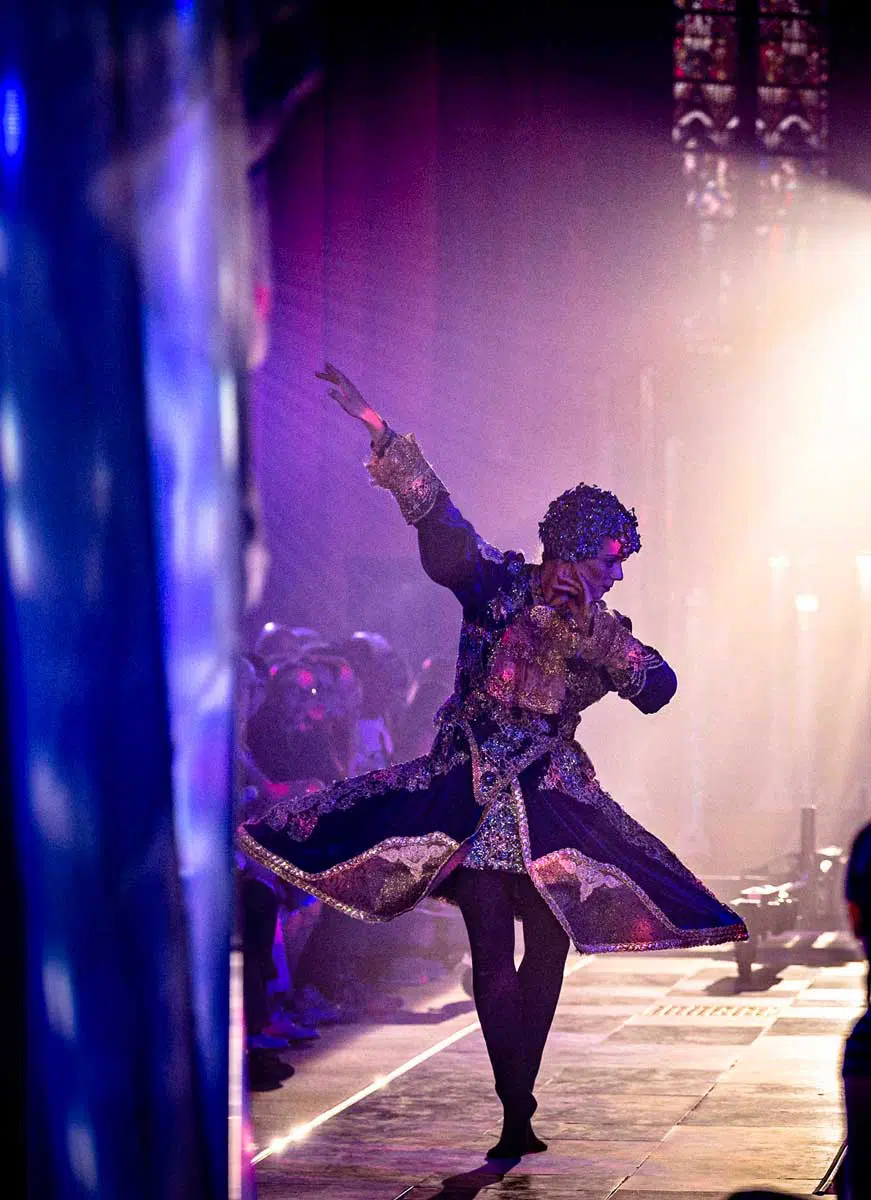
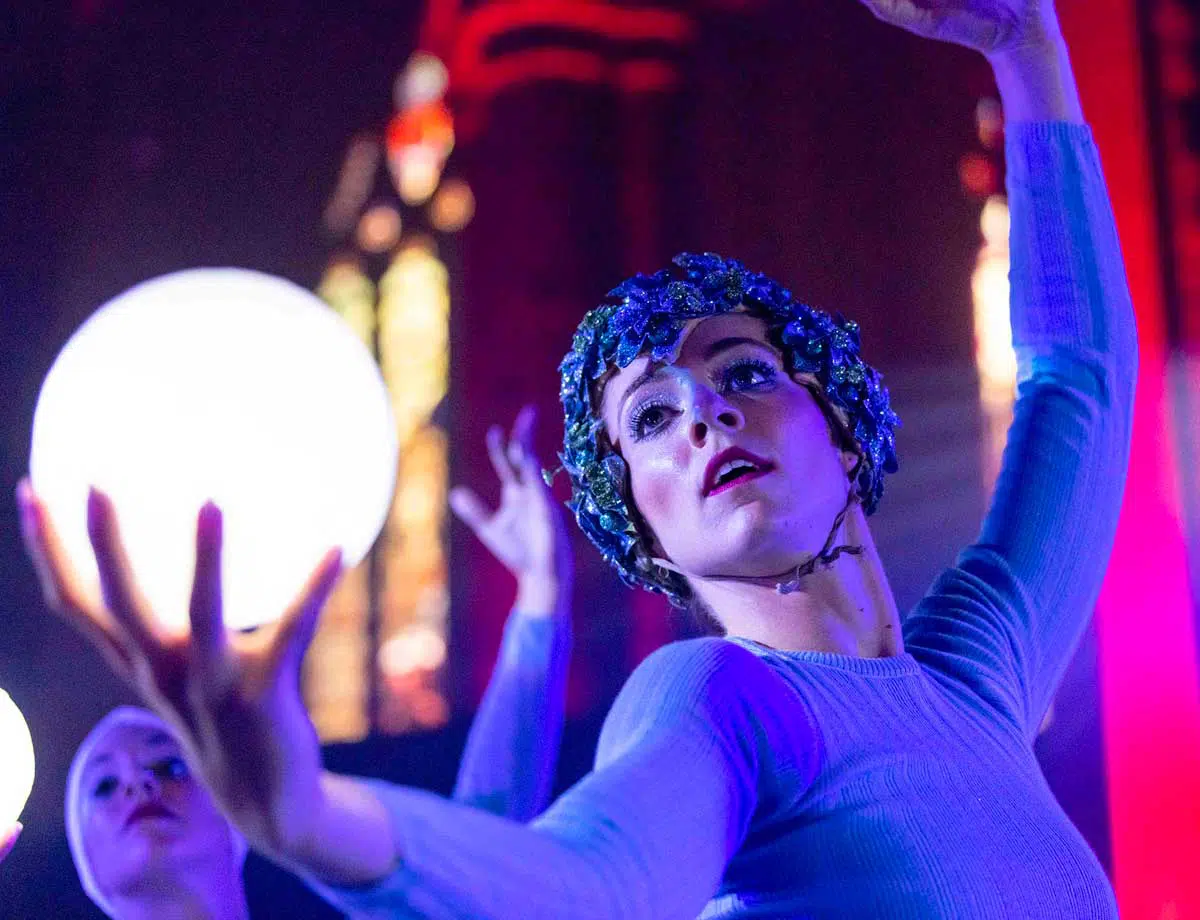
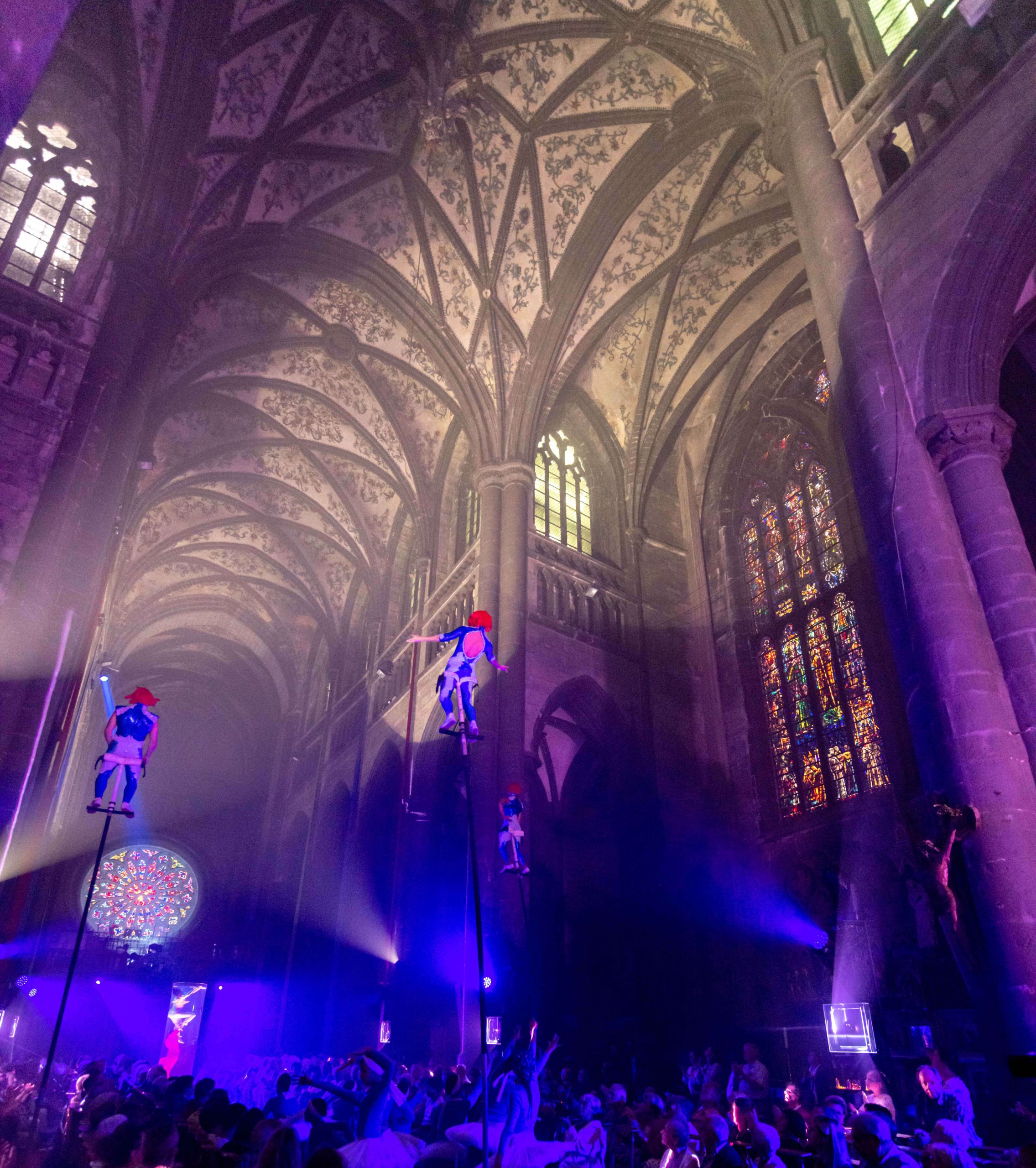
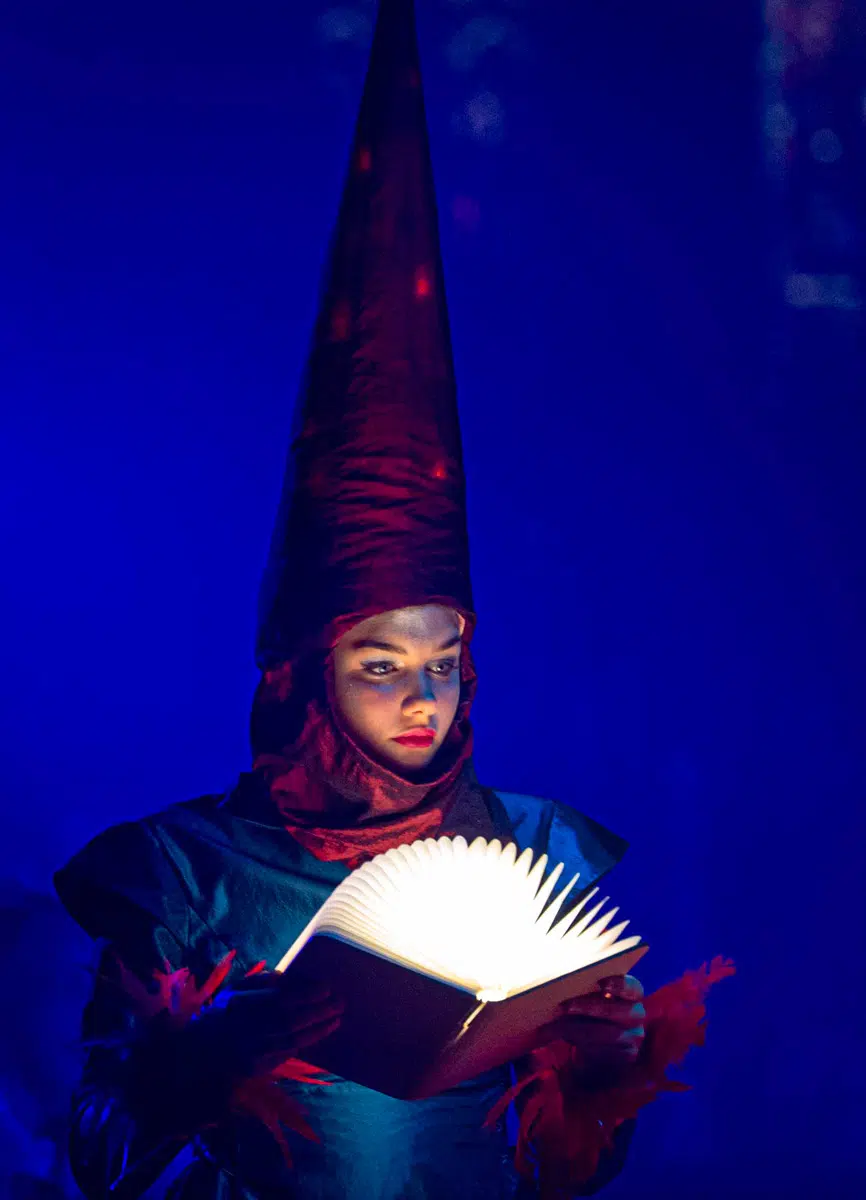
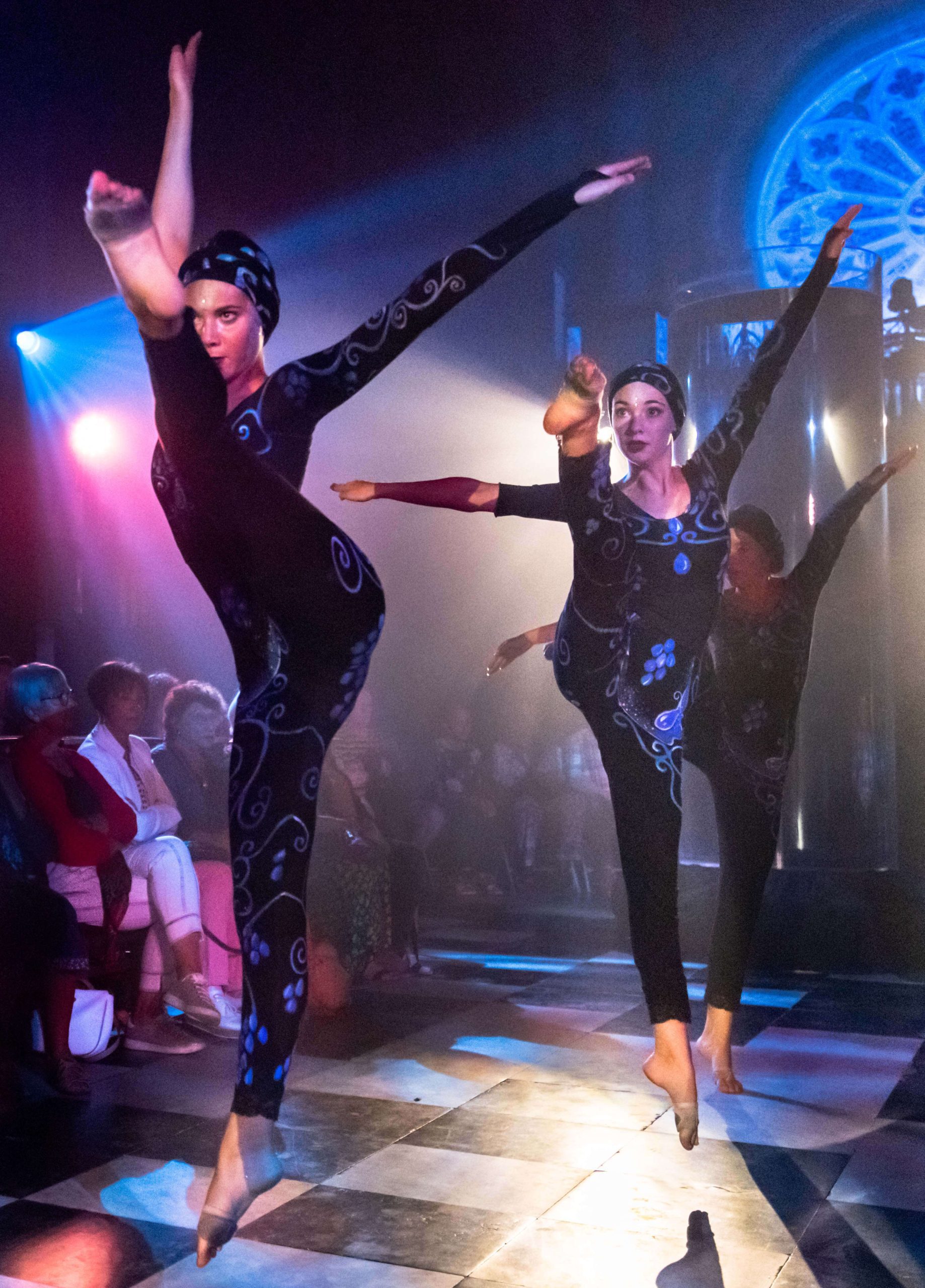
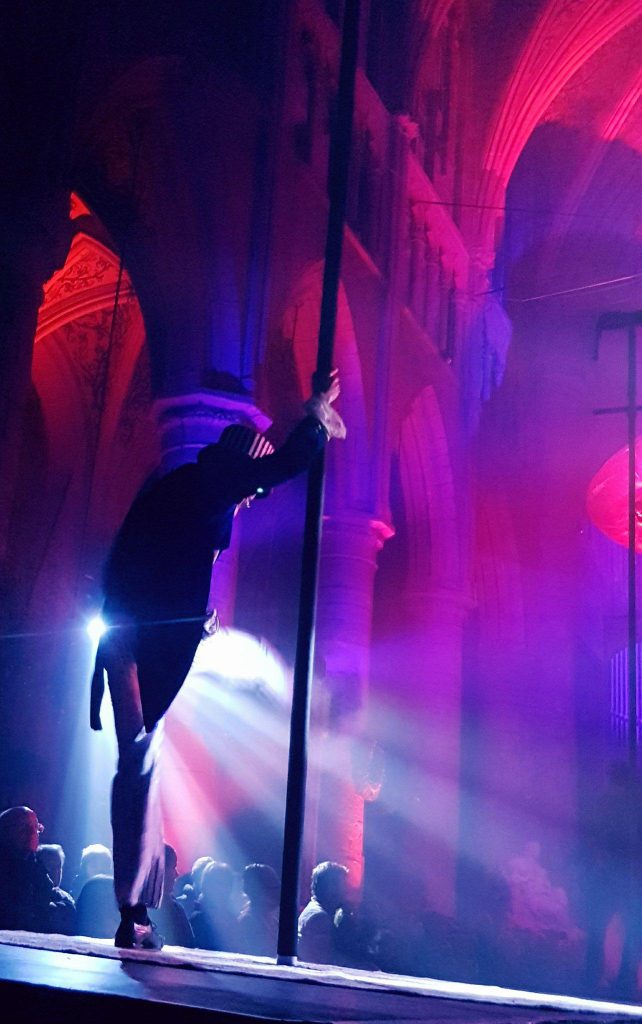
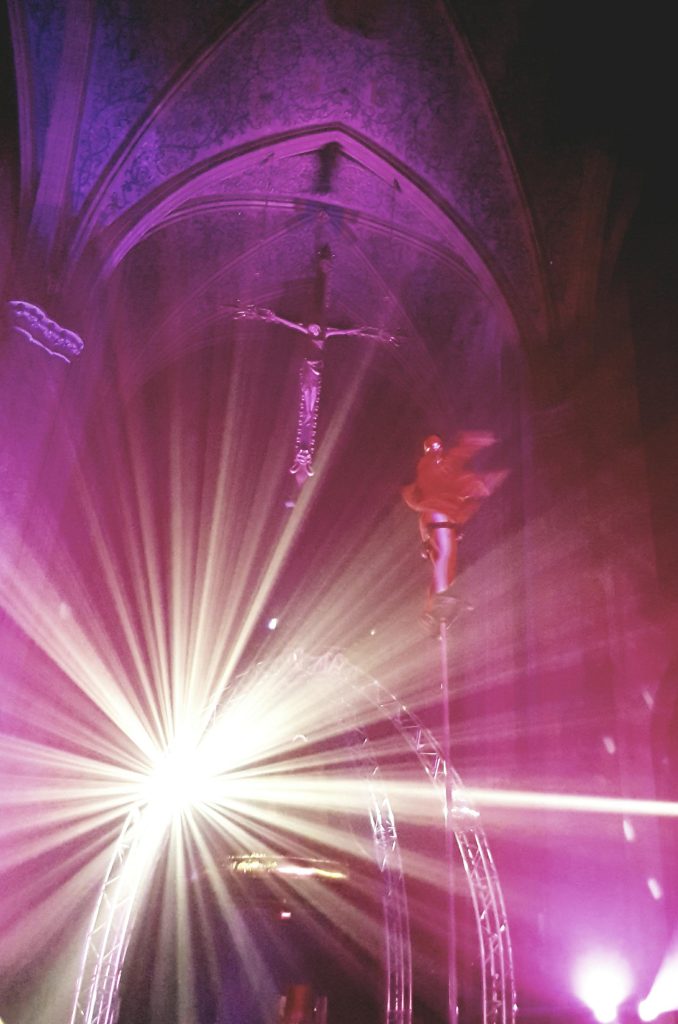
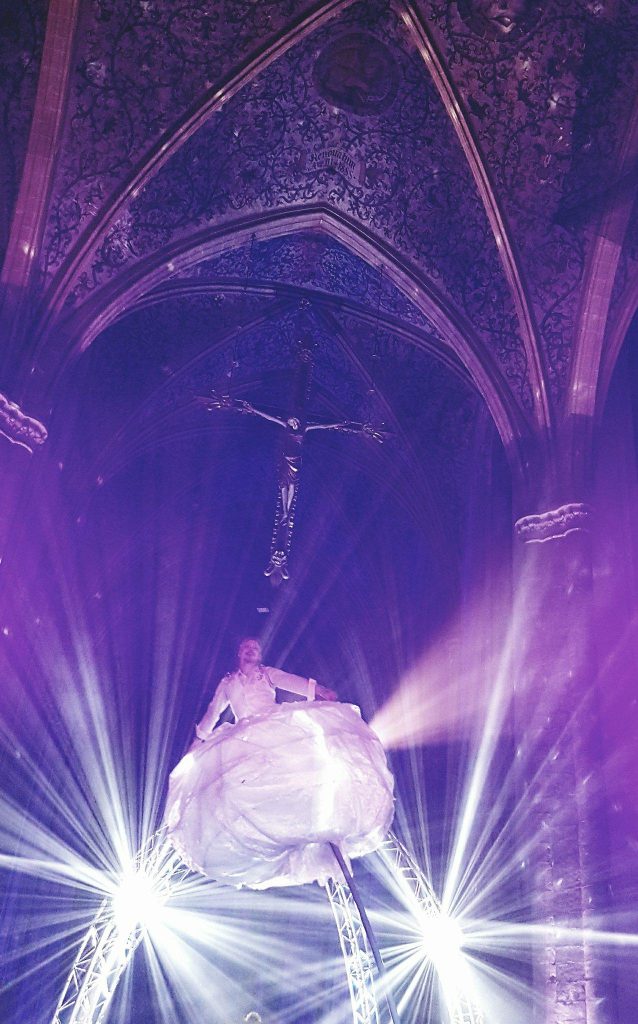
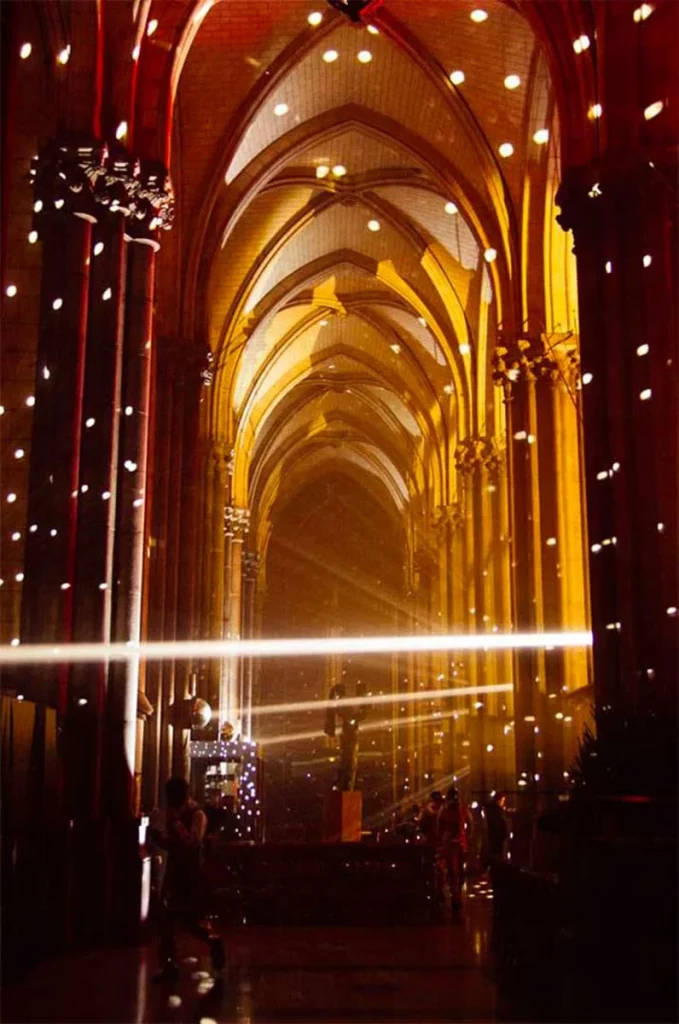
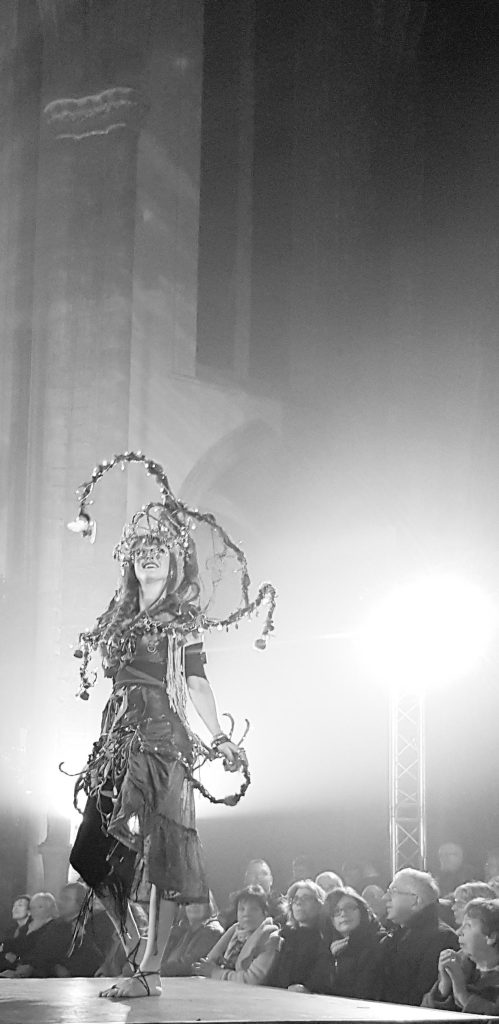
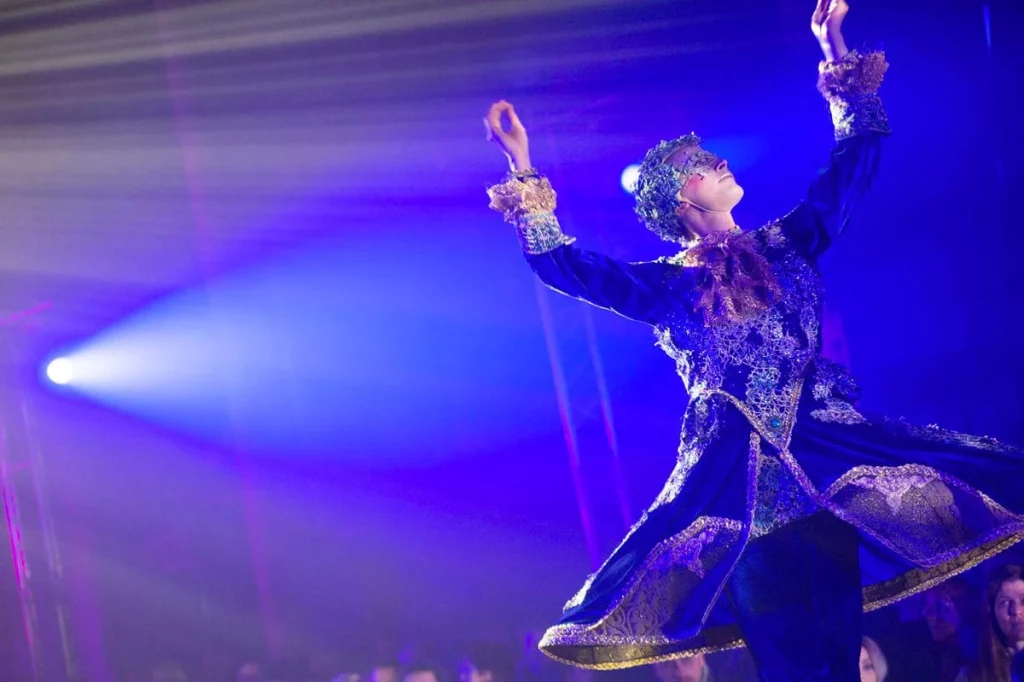
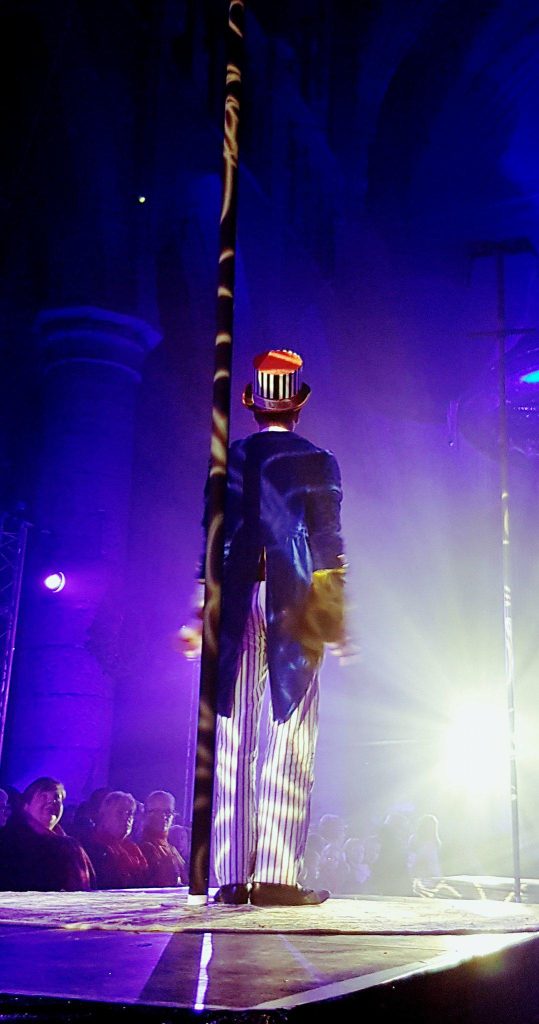
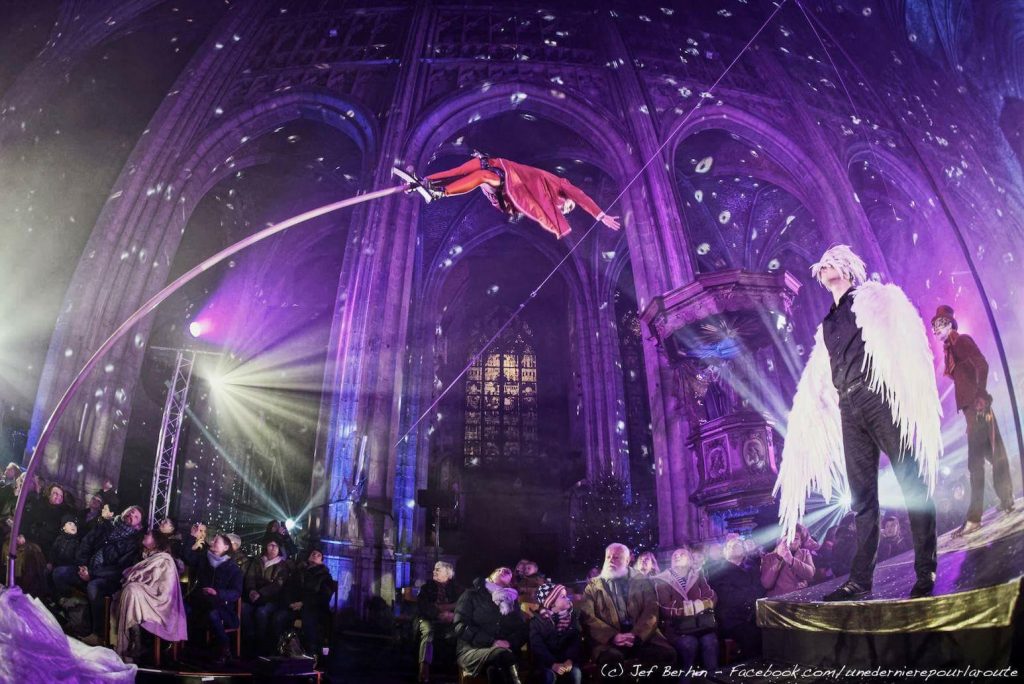
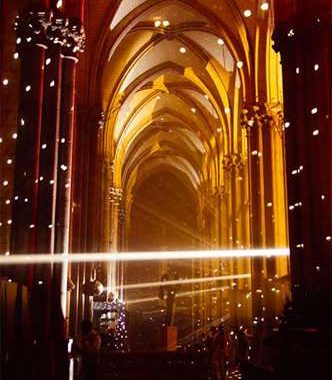
With “And the stone became light”, the Collegiate Church of Huy transforms into a true scenic jewel. The show follows the tradition of heritage operas conceived by Luc Petit, where stone, steeped in history, becomes the starting point for an immersive experience blending light, dance, music, and performance.
In this context, light does not merely illuminate: it reveals. It highlights Gothic lines, redefines volumes, and constantly interacts with the architecture. Each scene enhances the venue, transforming matter into emotion.
Our work on this project was guided by this logic: to design lighting capable of existing on a grand scale while remaining precise, sensitive, and deeply connected to the location. A luminous design conceived to accompany artists, structure spaces, and guide the audience’s gaze to the heart of the show.
Between visual power and narrative finesse, light here becomes a language in its own right — a direct link between stone and life.
A project where heritage and contemporary creation meet to give birth to a timeless experience.
Production: Les nocturnales
Direction: Luc Petit
Text: Michel Teheux
Light designer / operator: François Vandermeeren
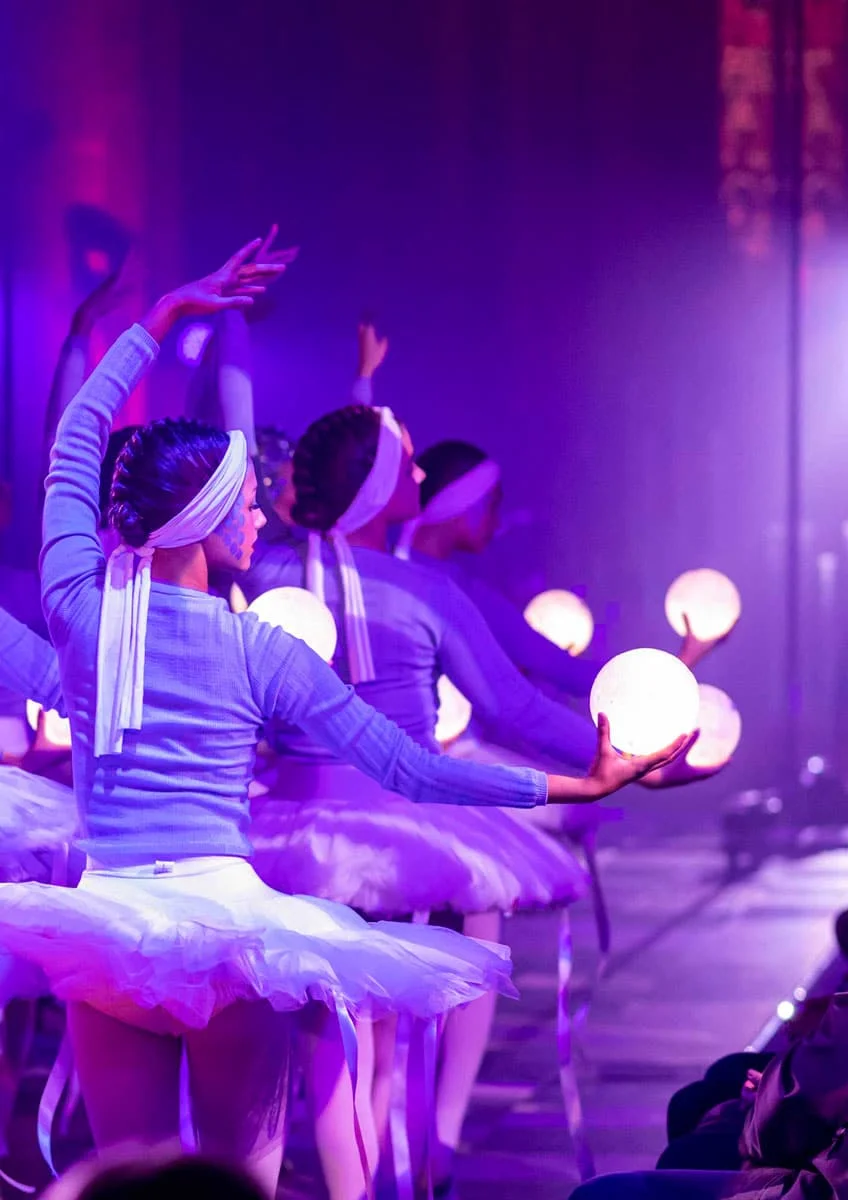
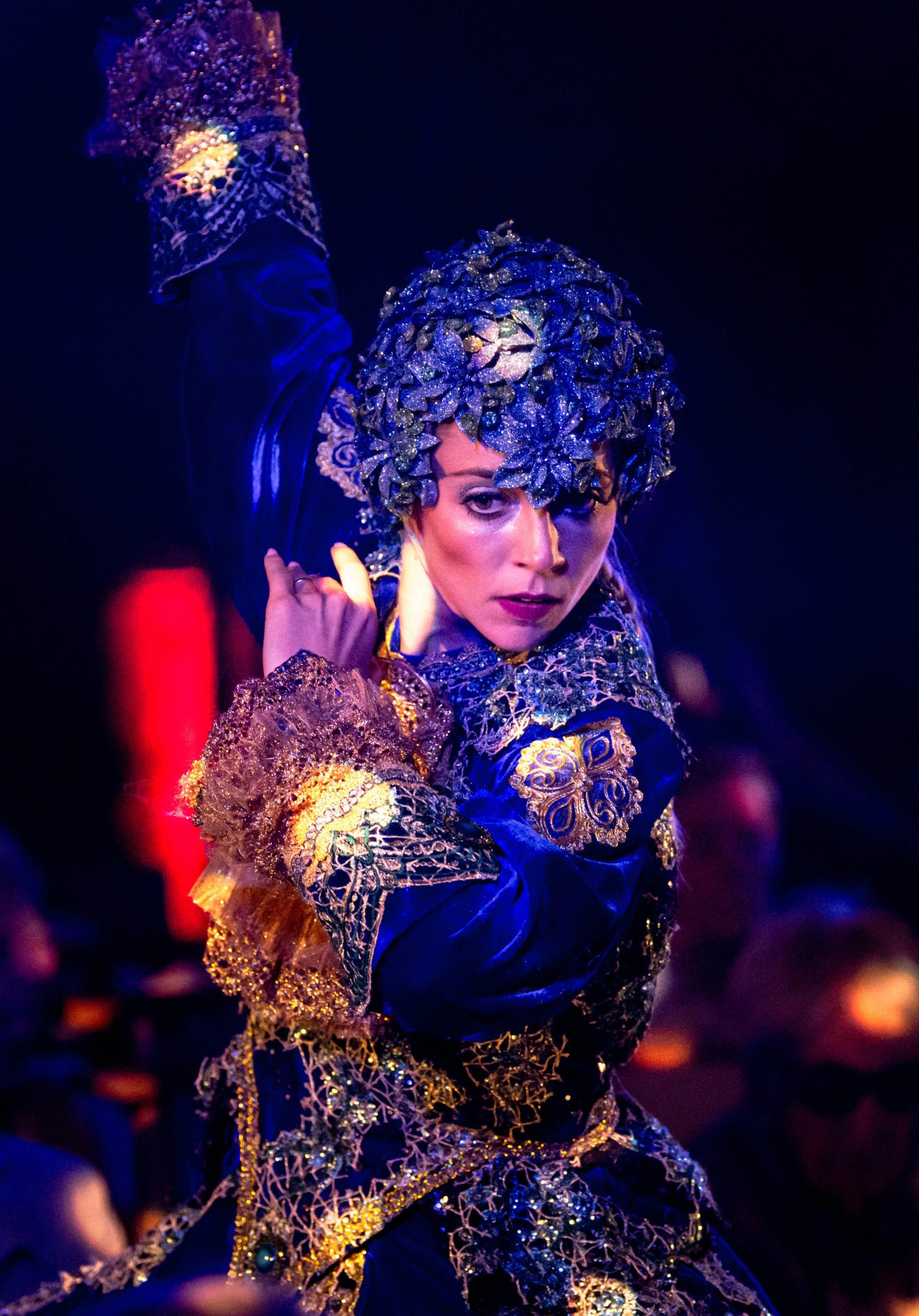
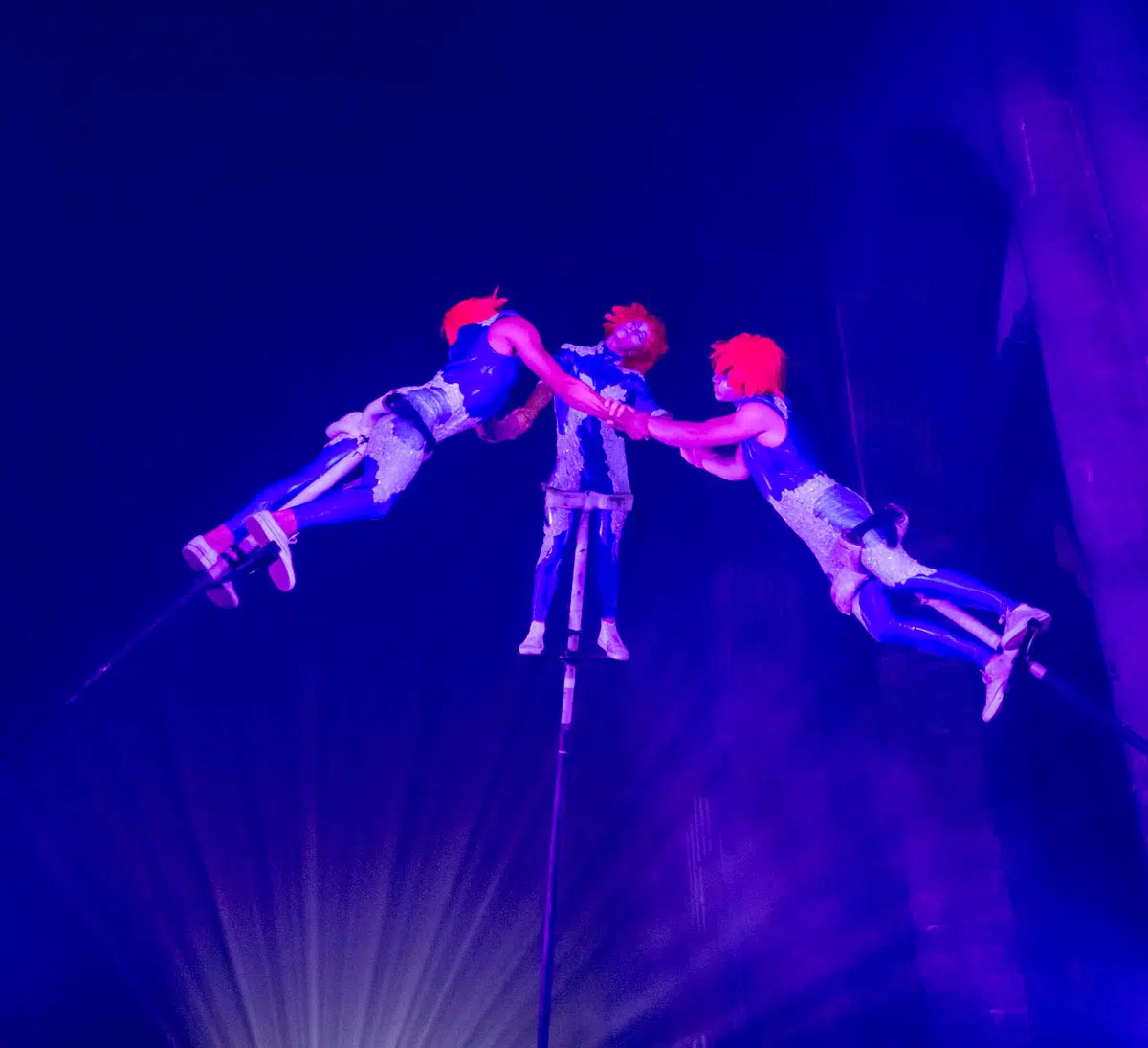
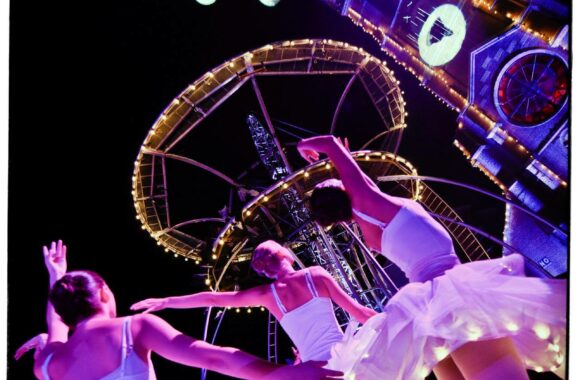
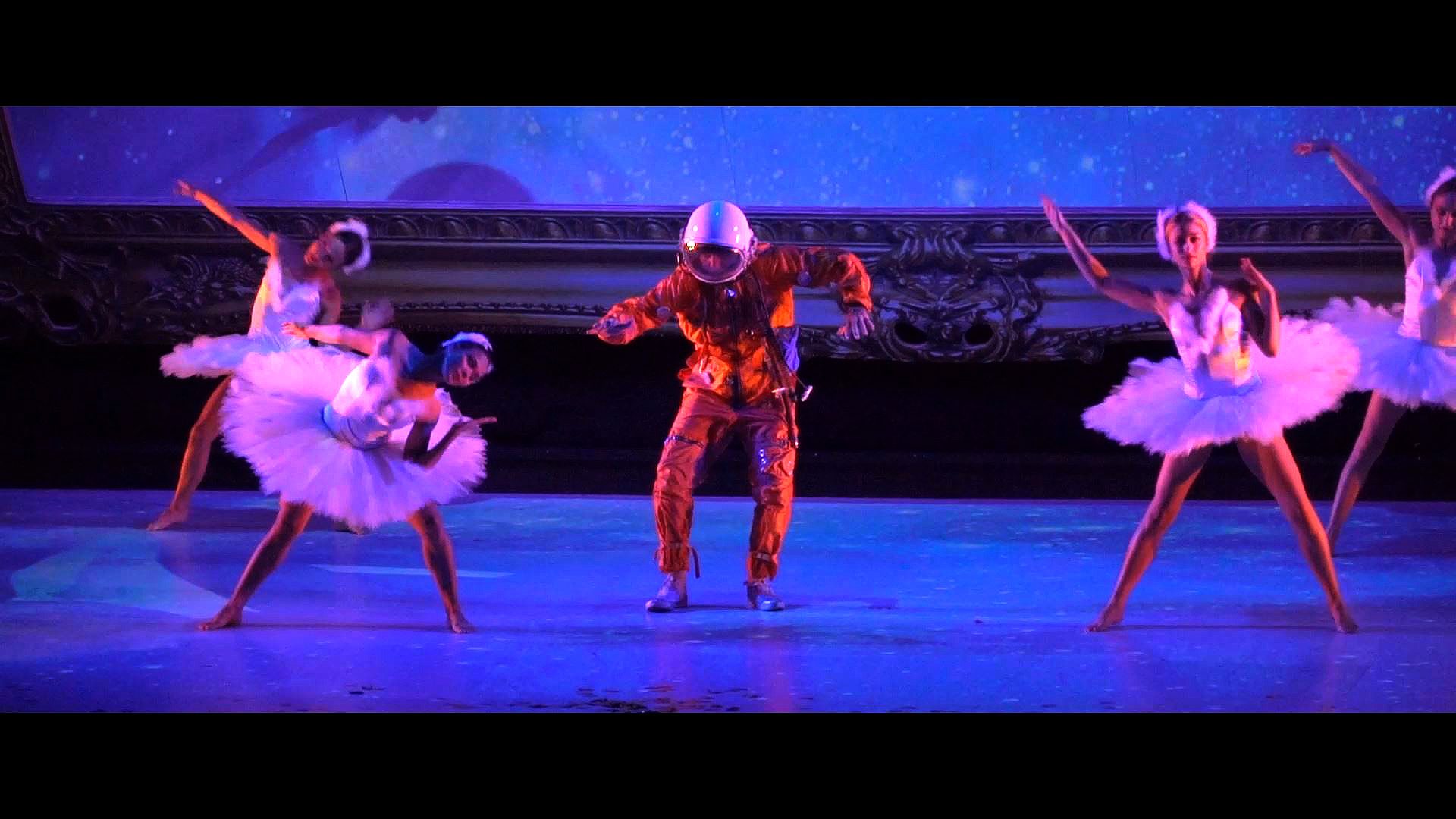
A monumental show at the crossroads of reality and imagination.
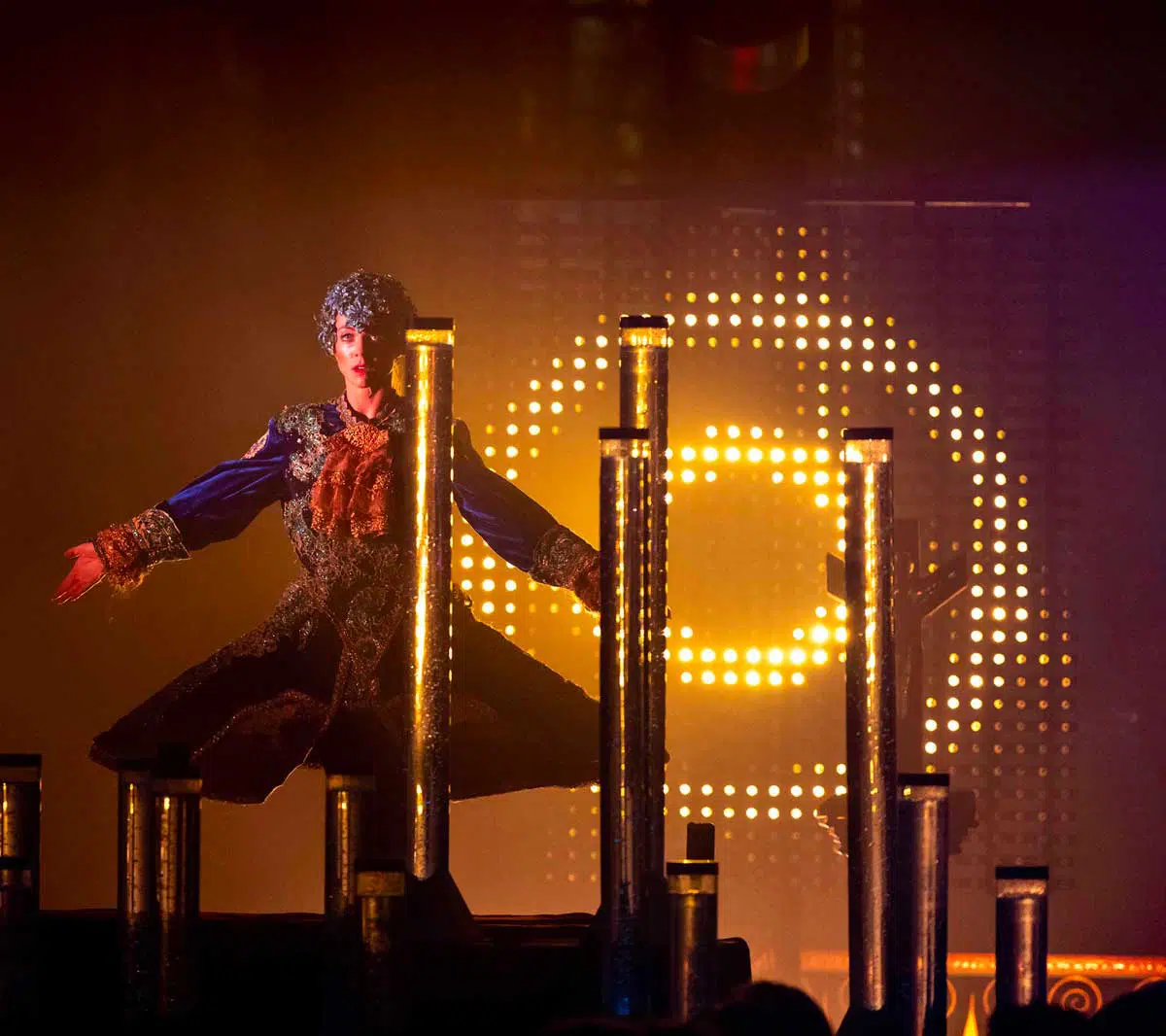
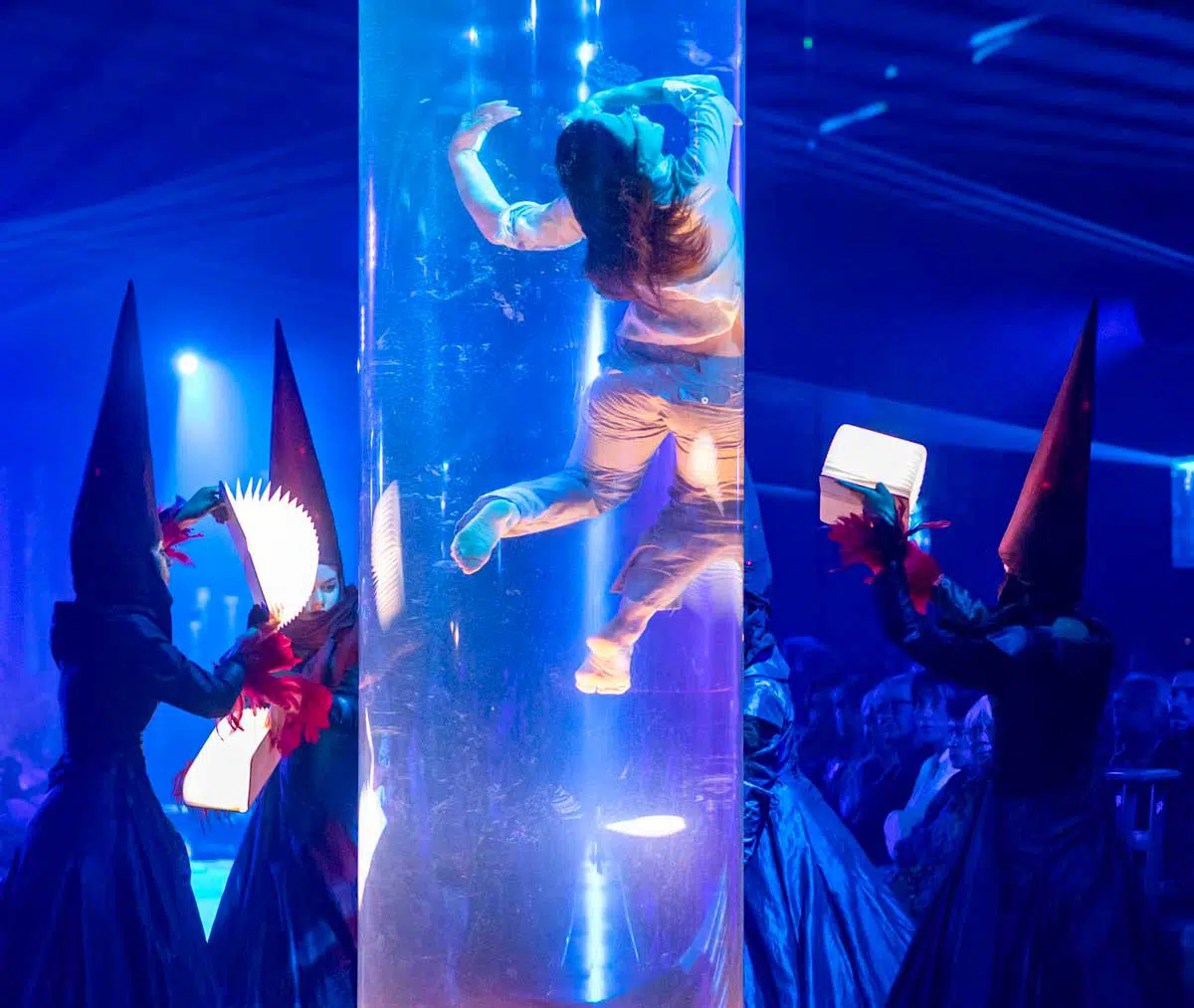
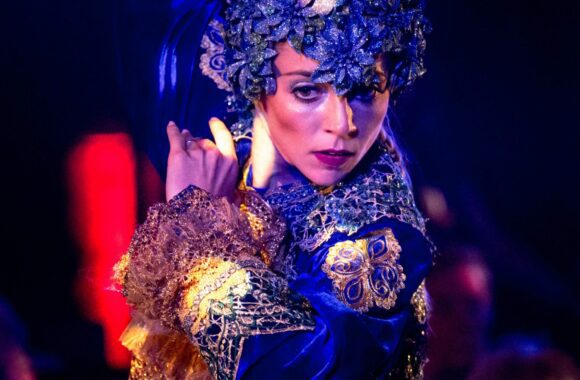
For Reaching for the Moon, lighting becomes a central element of the storytelling. It structures the space, supports movement, and amplifies every emotion. On a grand scale, it shapes powerful visual tableaux while maintaining the essential precision required in service of the performers.
Our work on this project consisted of designing a lighting language capable of engaging in dialogue with the architecture, volumes, and scenography. Every atmosphere, every contrast, every transition was conceived to immerse the audience and enhance the show’s impact.
Between visual power and finesse of execution, light fully contributes to the experience: it guides the eye, sets the pace of the narrative, and helps create moments that feel suspended in time.
A project where technique gives way to emotion, giving the audience the feeling of coming close to the impossible.
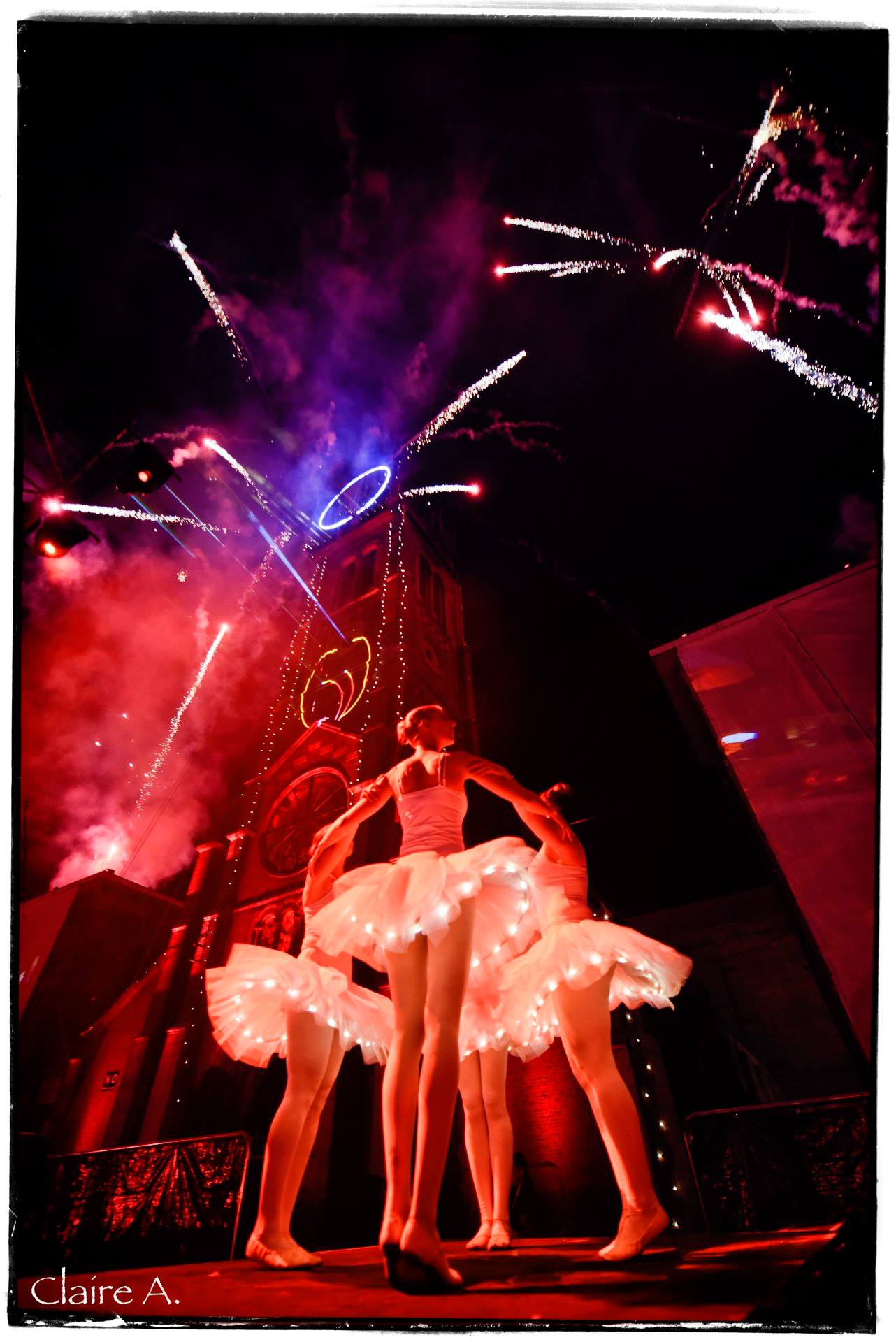
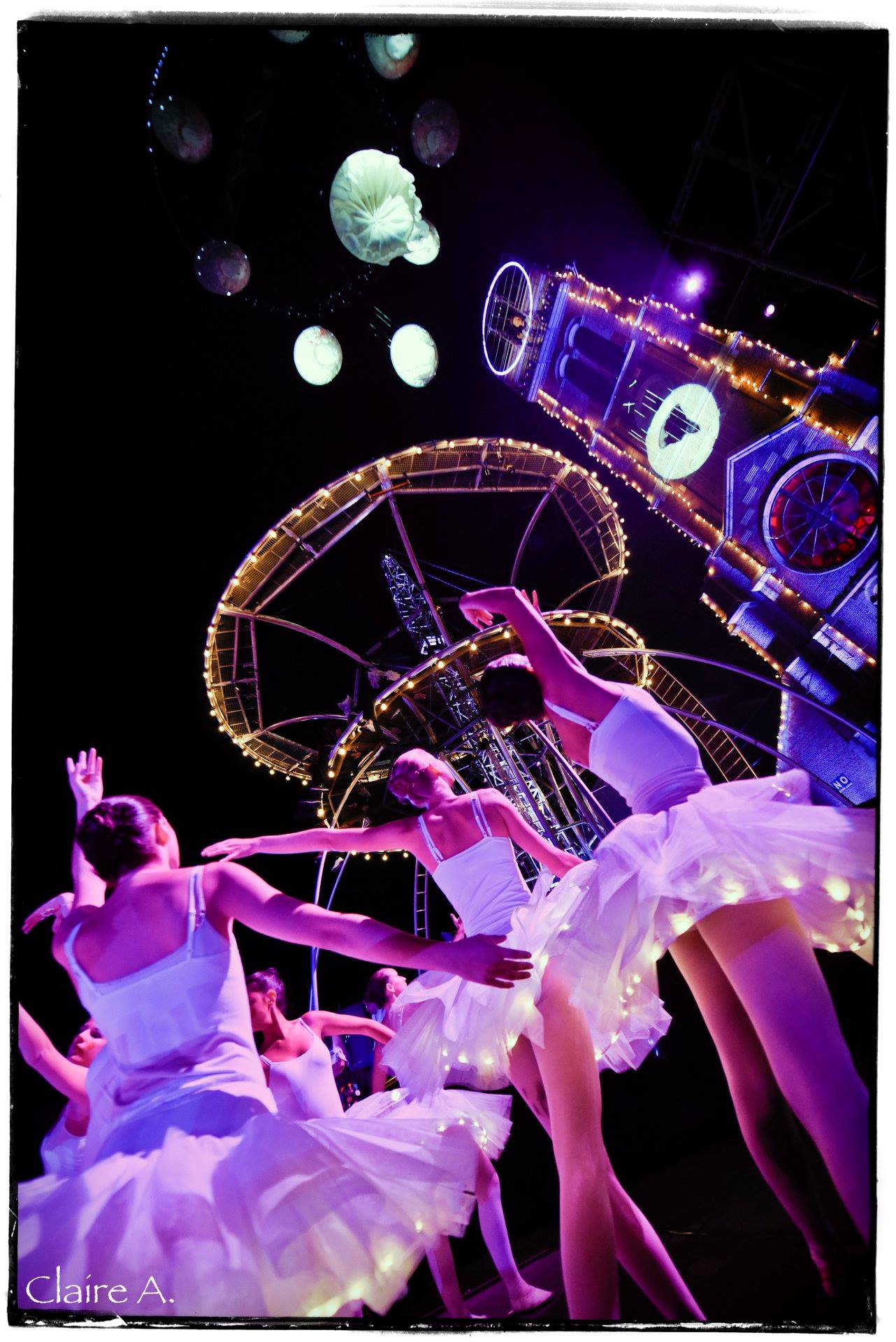
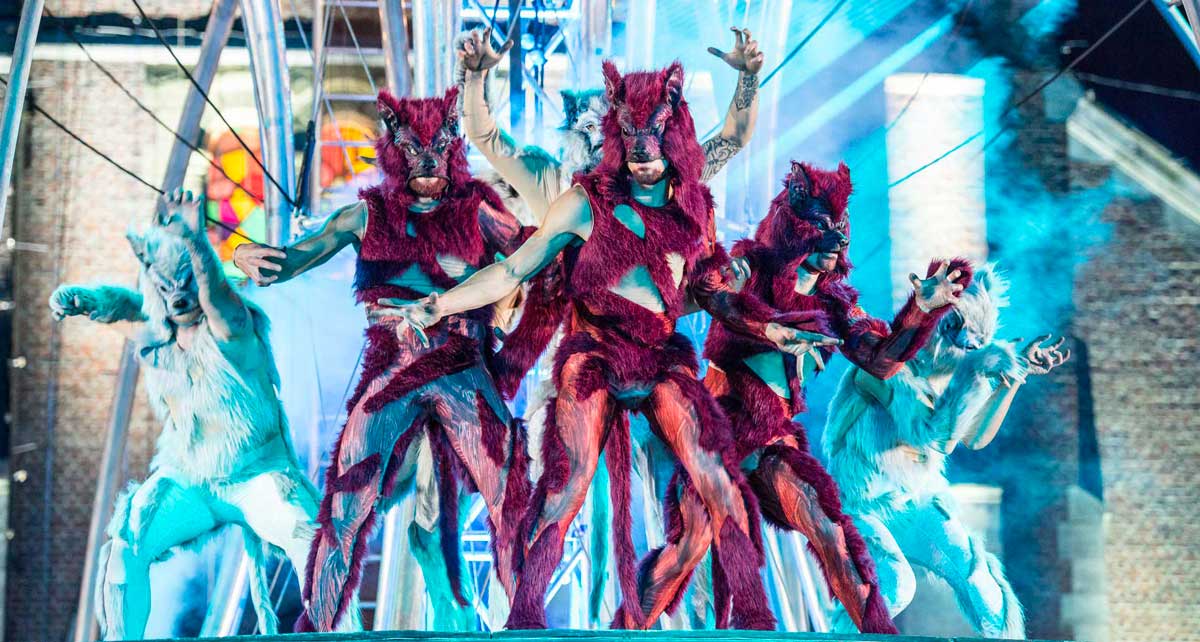
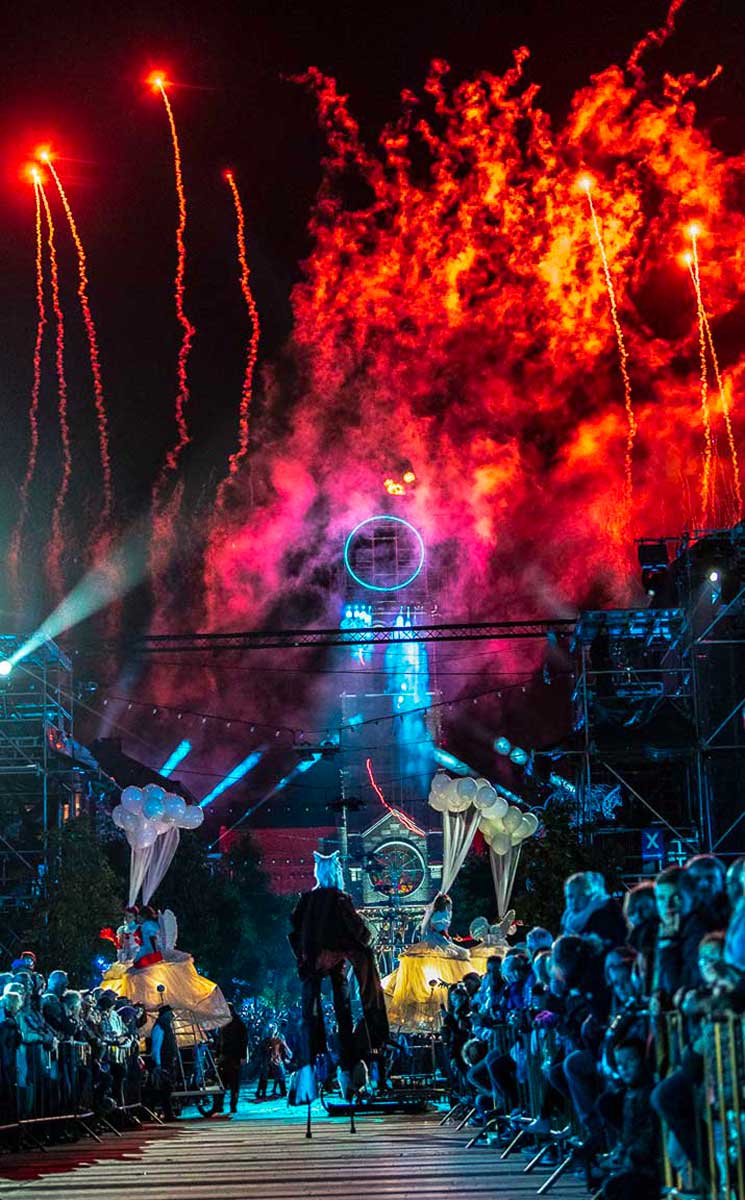
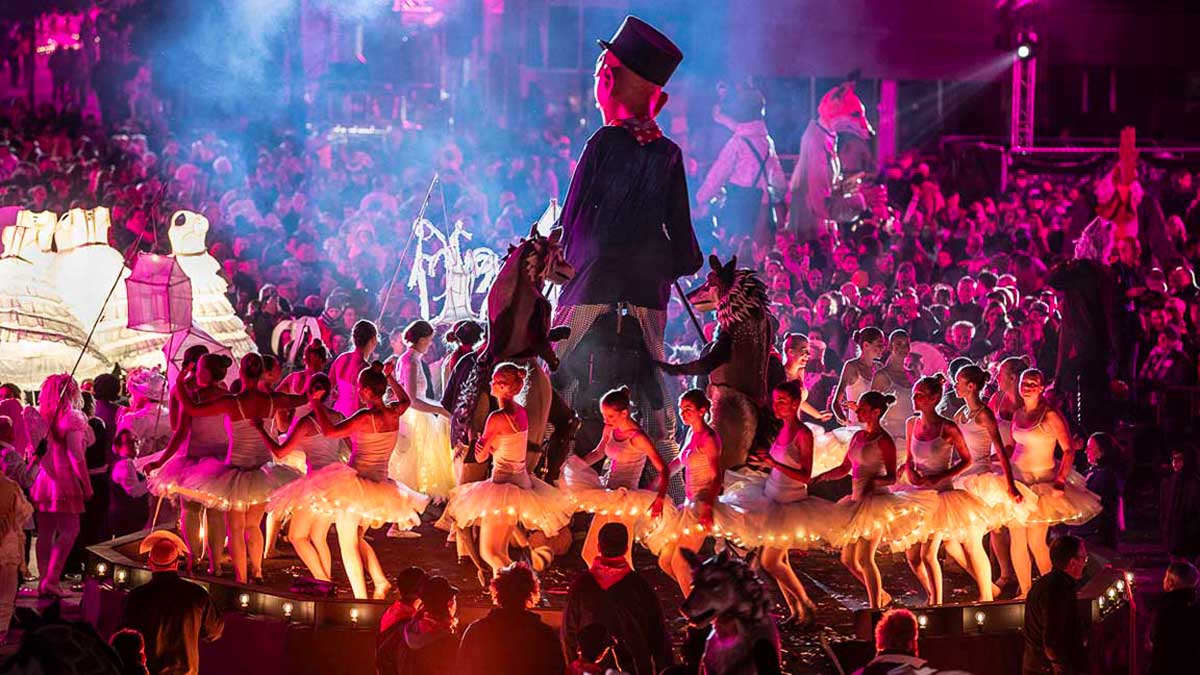
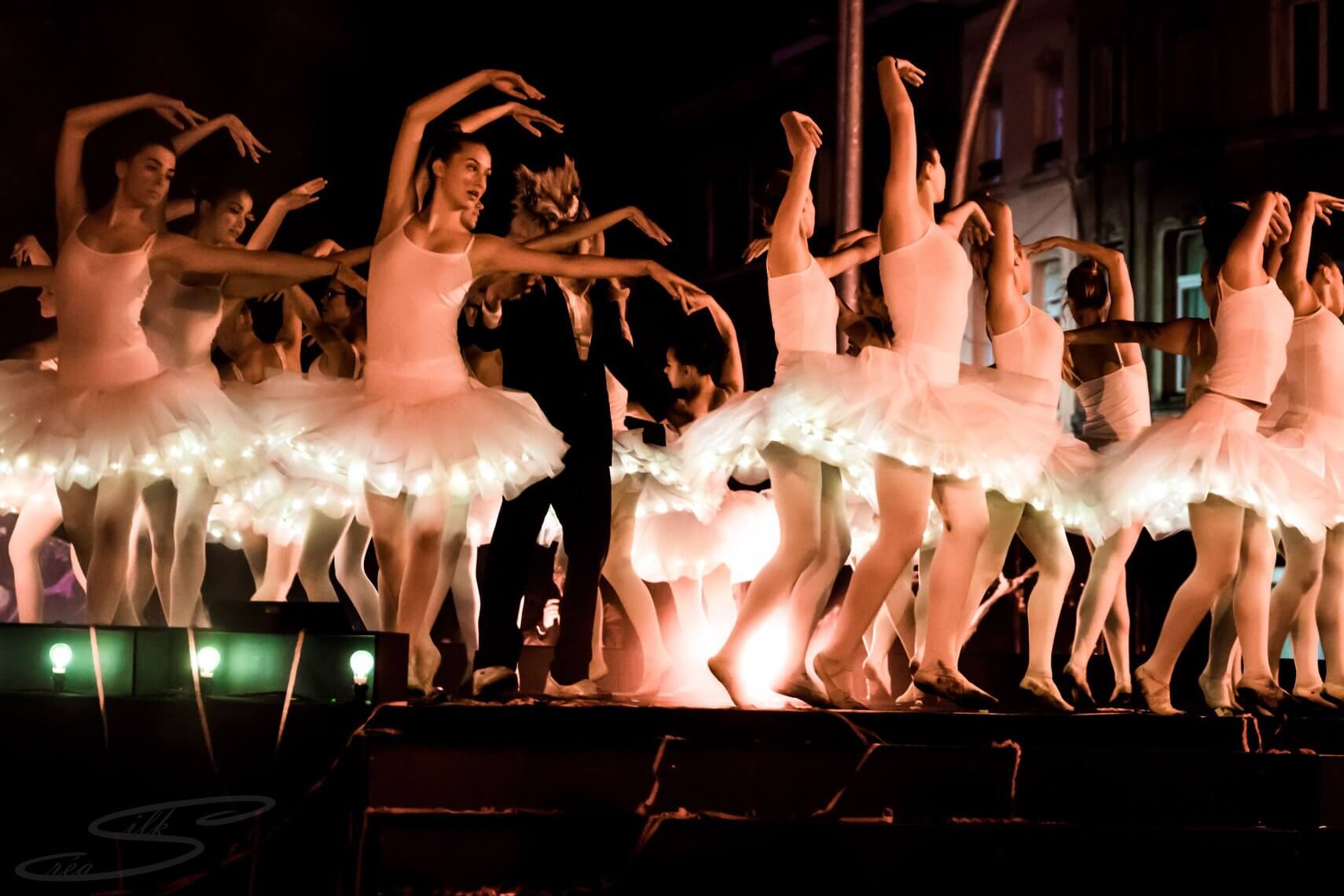
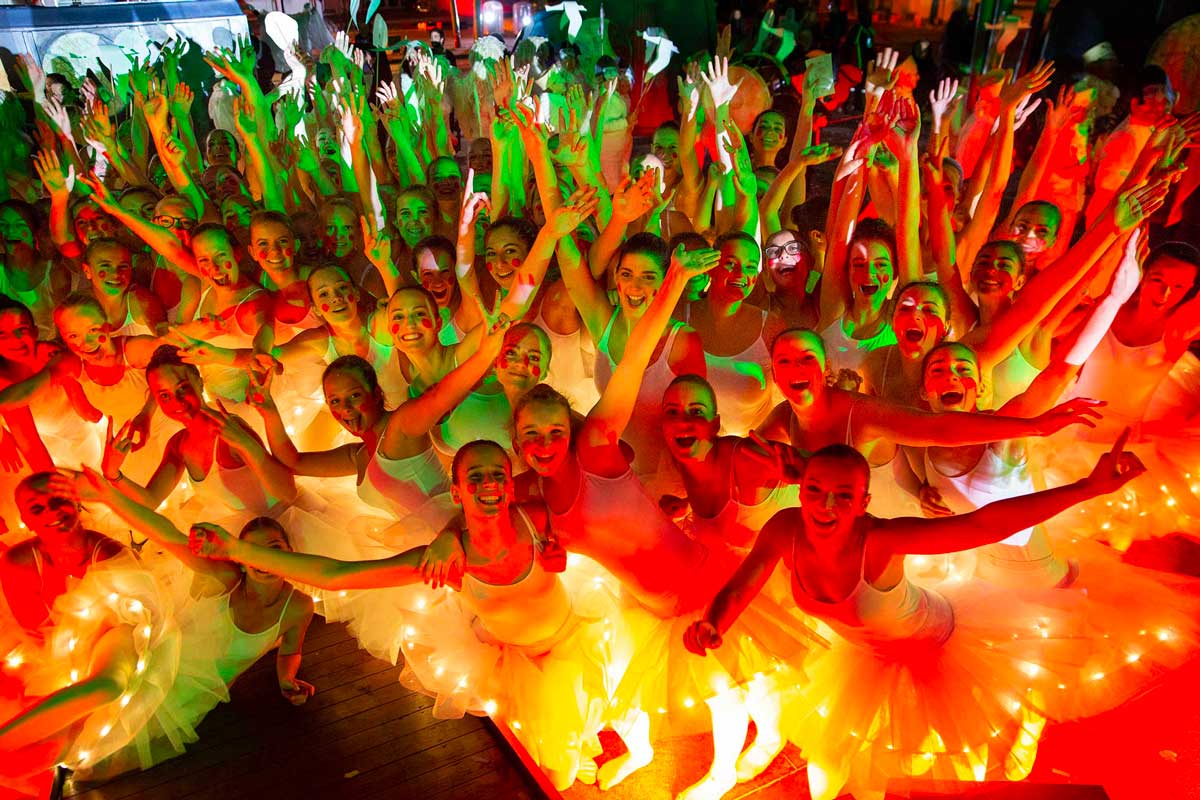
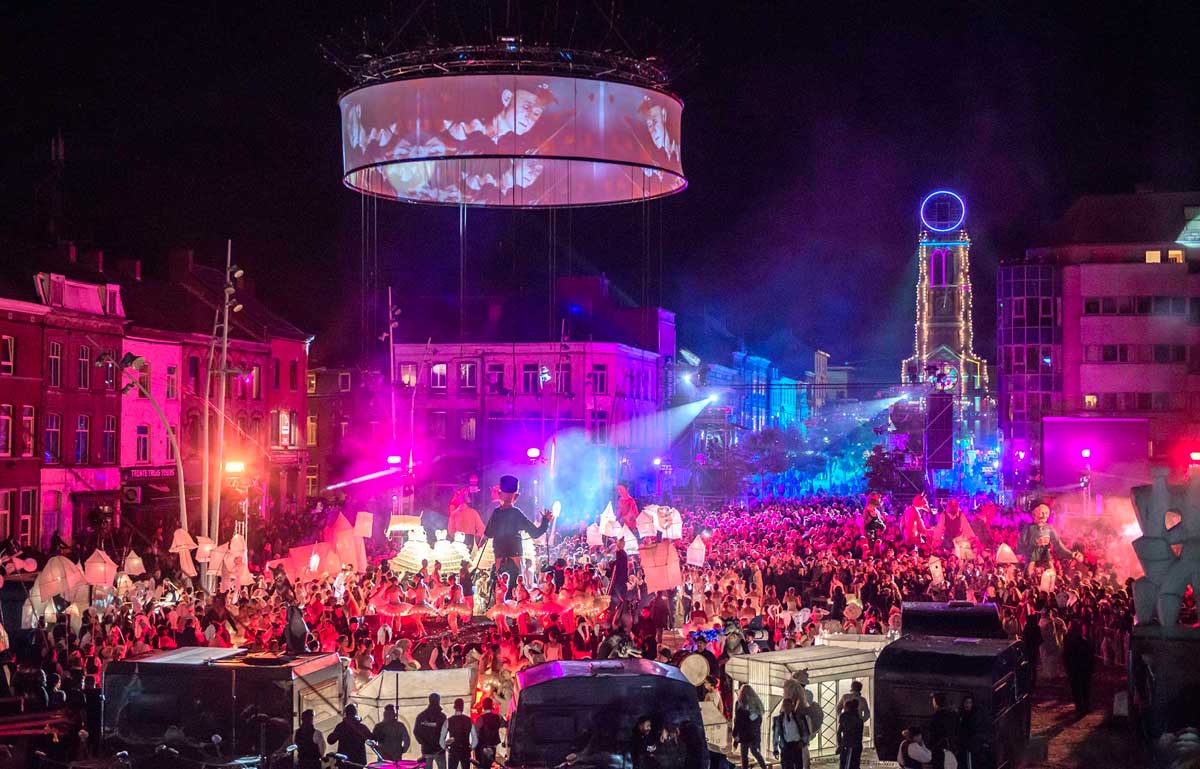
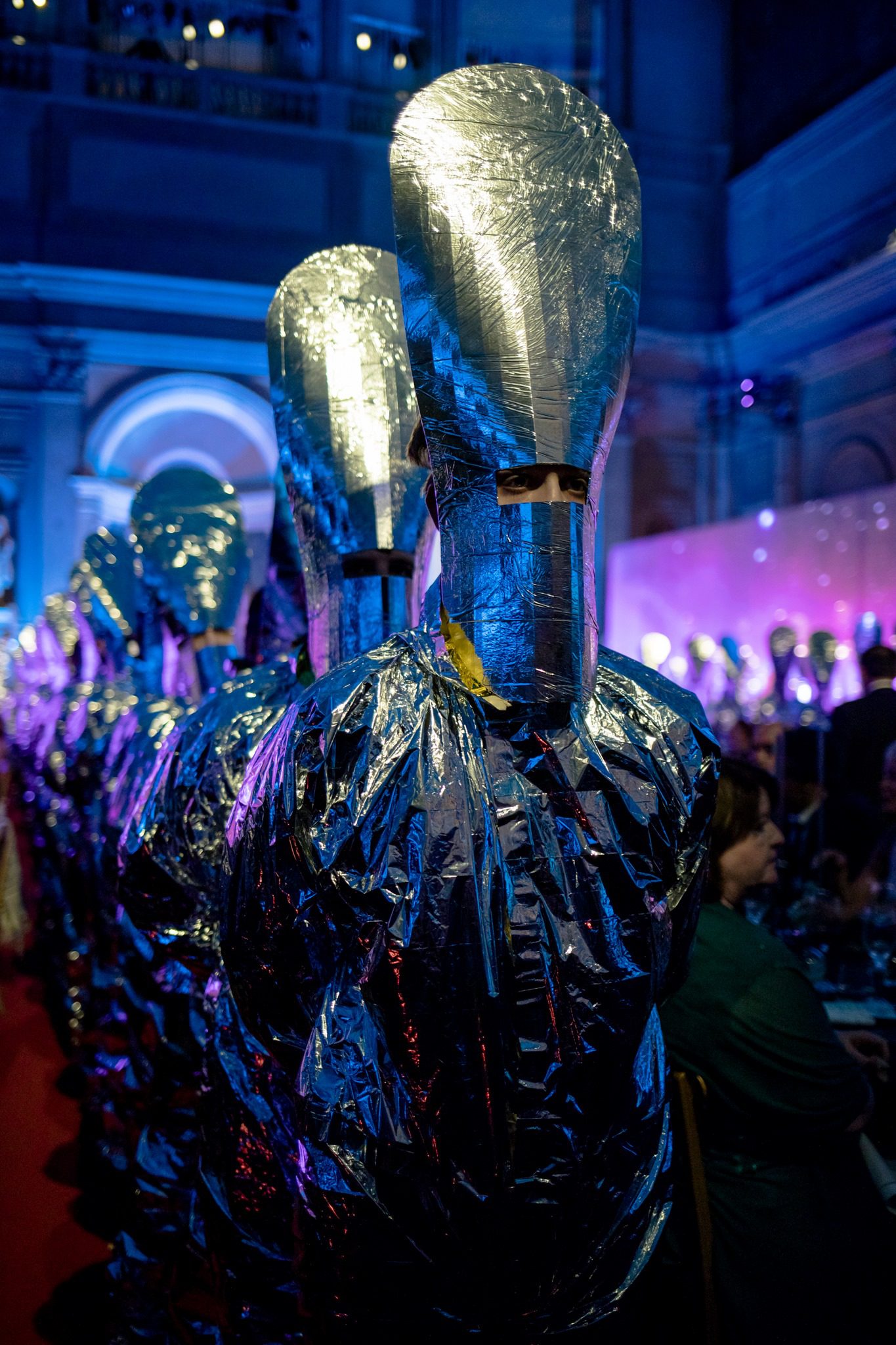
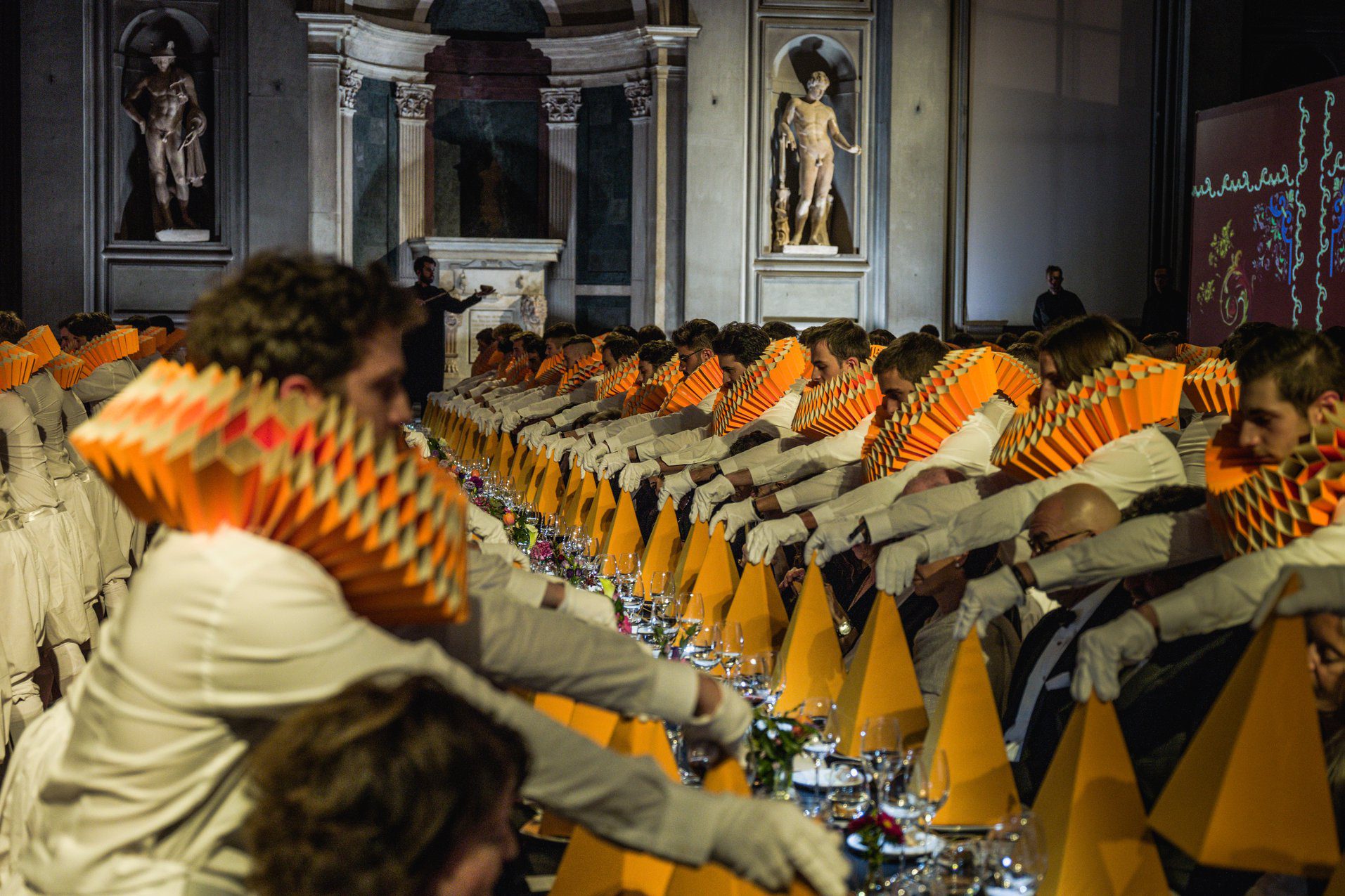
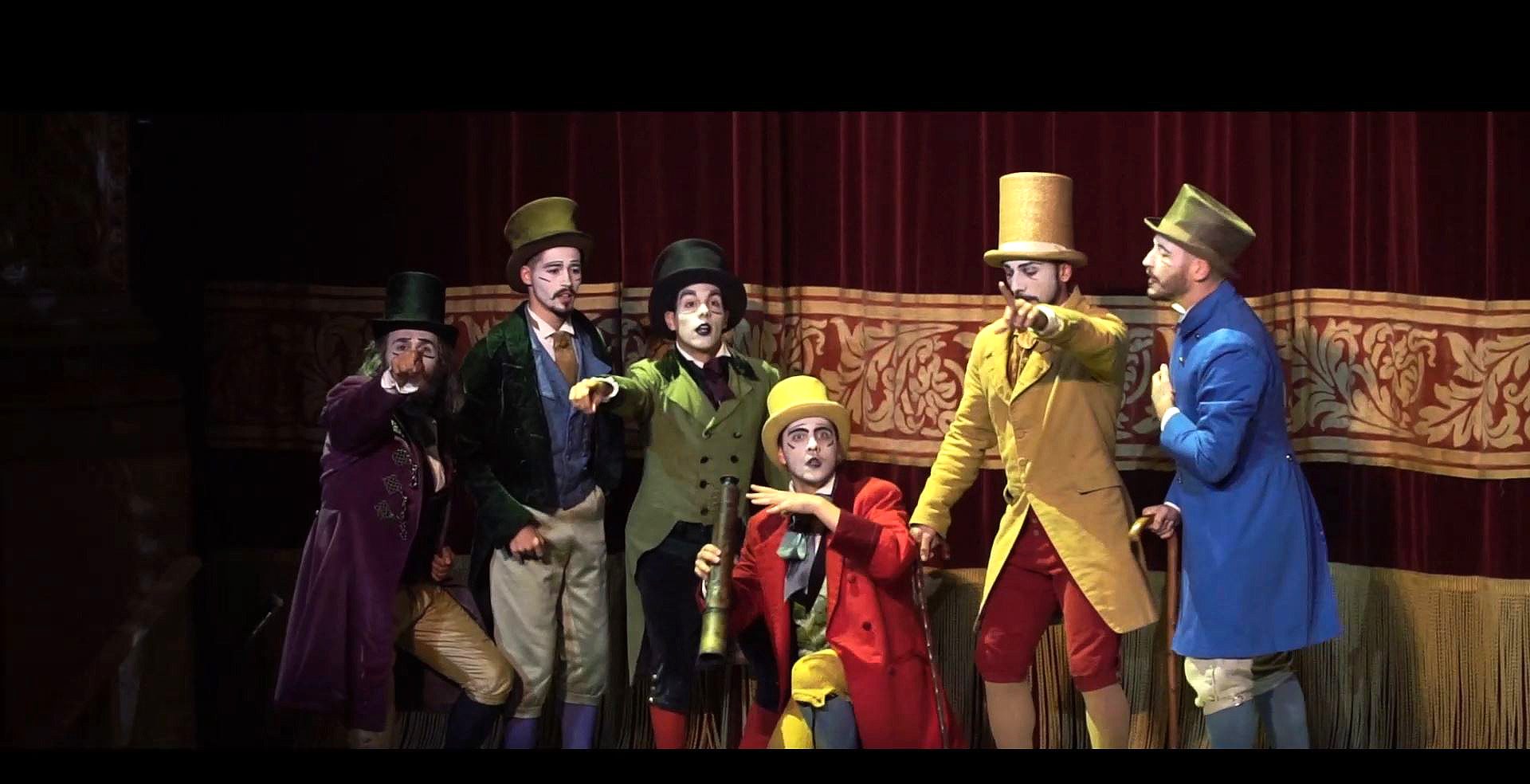
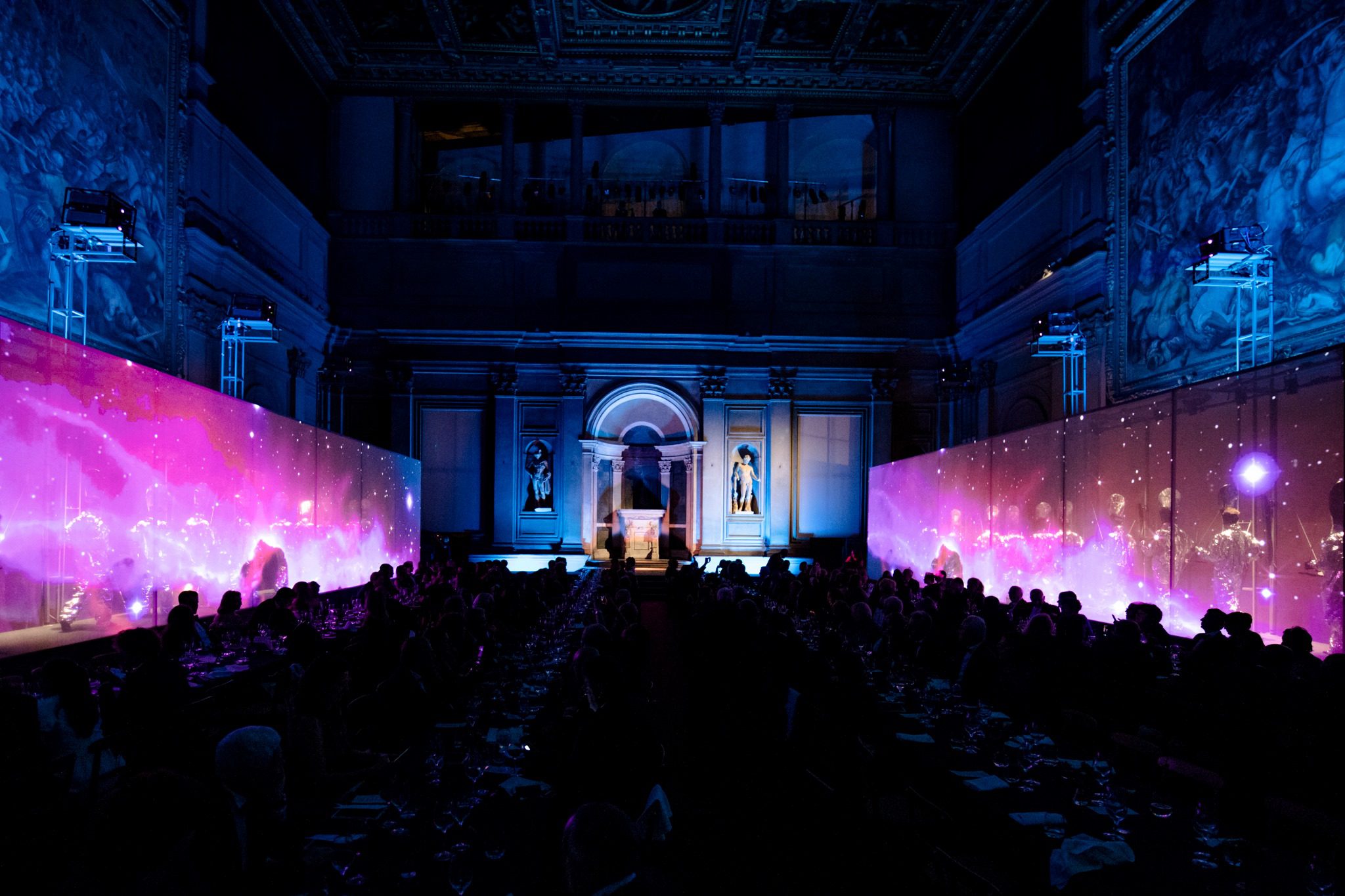
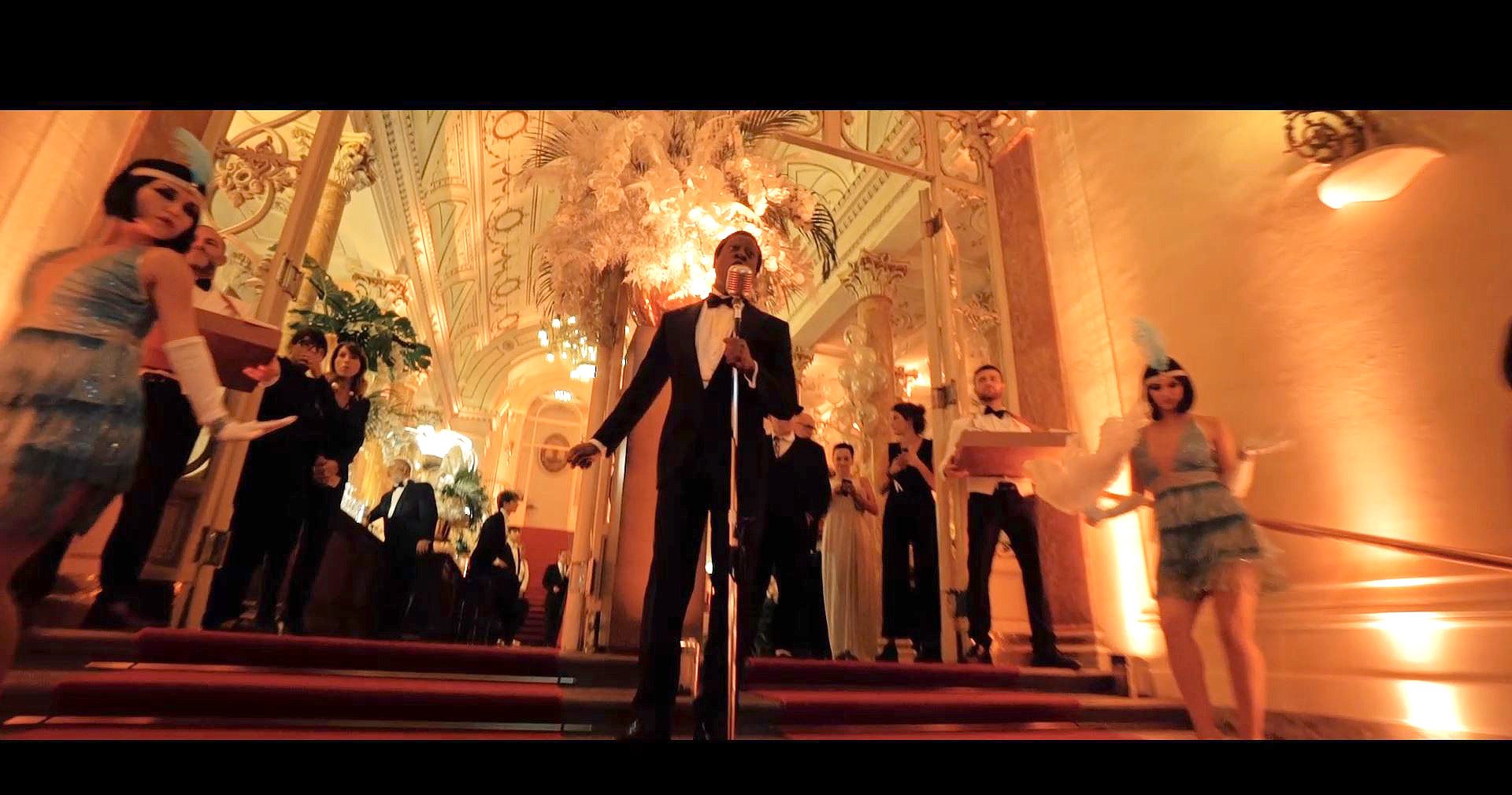
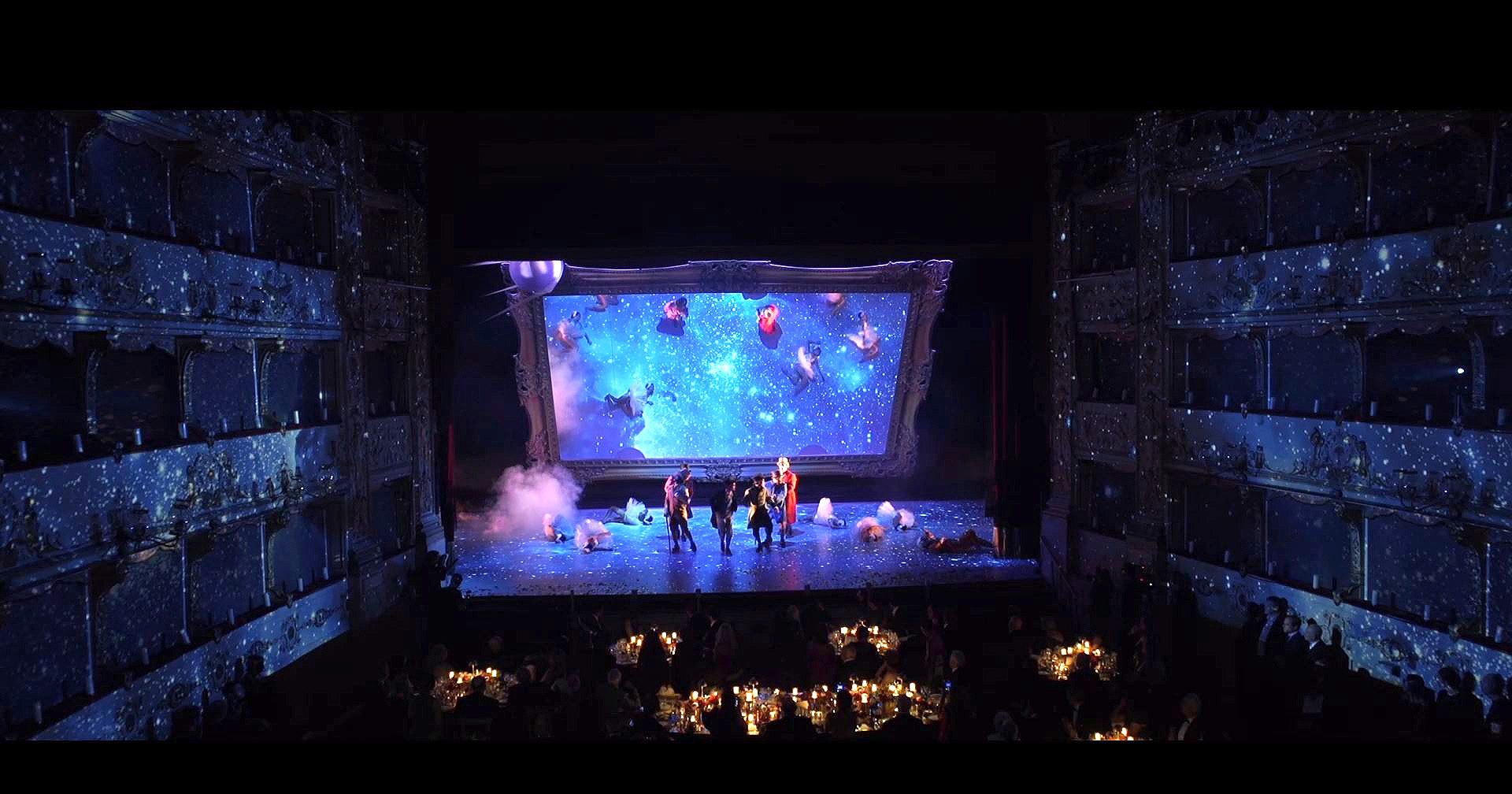
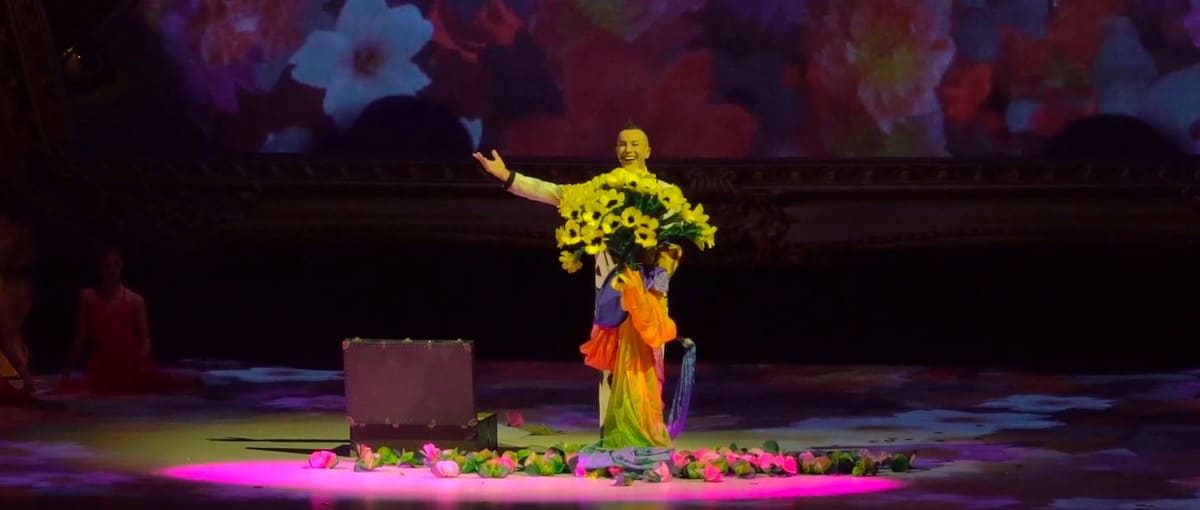
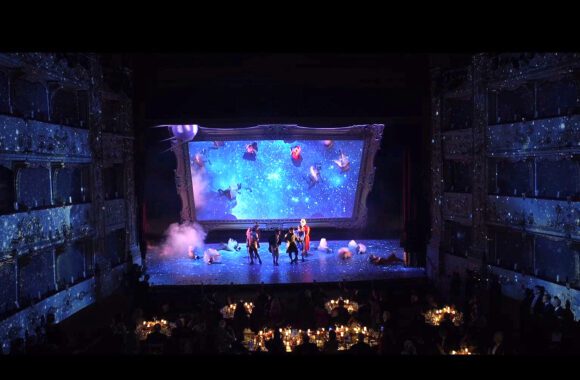
As part of this exceptional international private event conceived by Luc Petit, we participated in the design and lighting operation for one of two evenings deployed in iconic locations throughout Florence.
The first evening was held at the Salone dei Cinquecento in Palazzo Vecchio, featuring an immersive dinner designed in collaboration with Charles Kaisin, integrating performances and visual installations within a prestigious heritage environment.
The second night took place at the Teatro della Pergola, with a stage design combining projection mapping, aerial performances, practical effects, and visual interventions, in a multidisciplinary approach delivered by international teams.
We developed a lighting design adapted to highly contrasting contexts, working on architectural enhancement, performance visibility, and coherent integration with media and effects.
Our work was part of a complex technical ecosystem, requiring close coordination and precise synchronization with the various artistic and technical departments.
We provided lighting operation in a high-demand event context, with particular attention to precision, visual coherence, and execution quality.

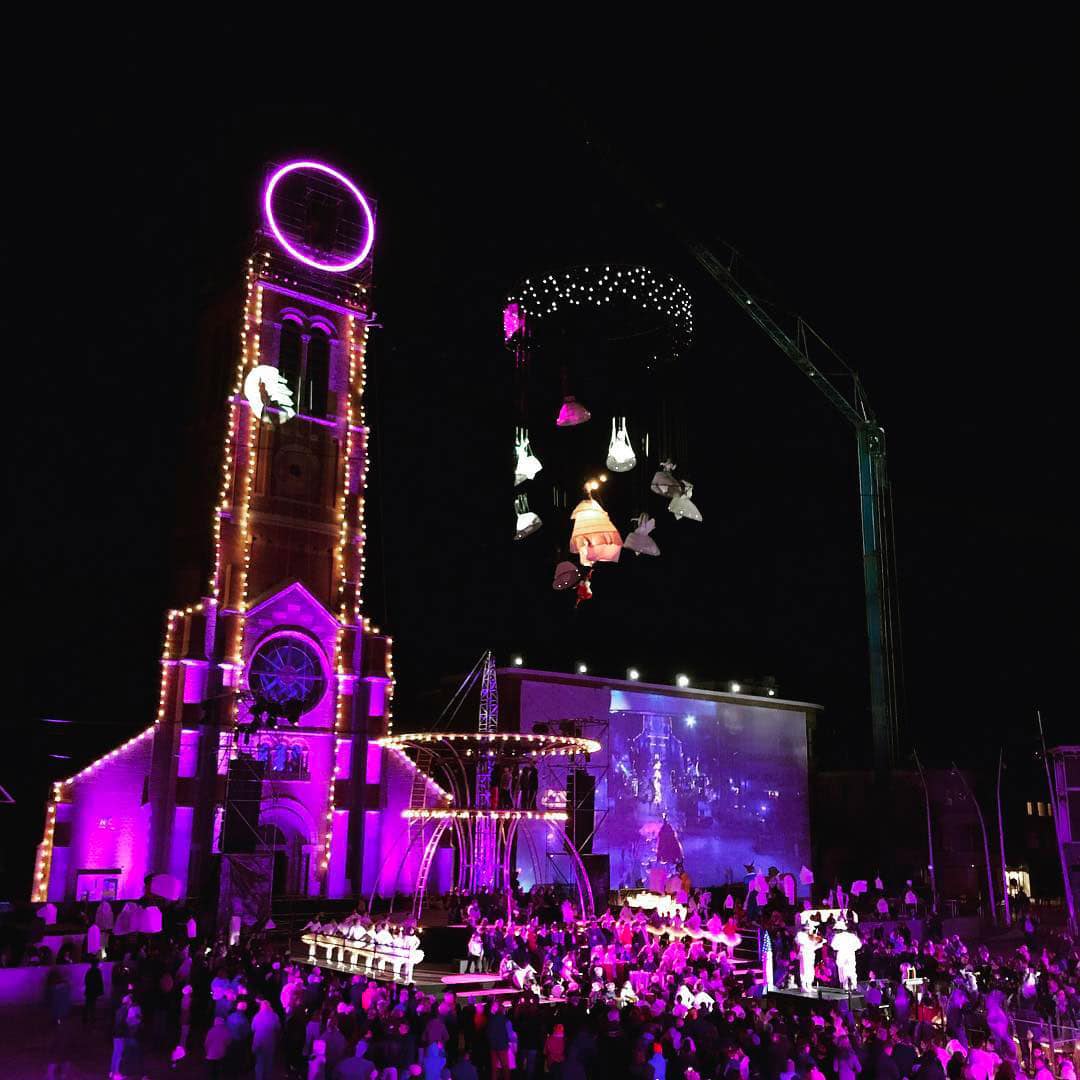
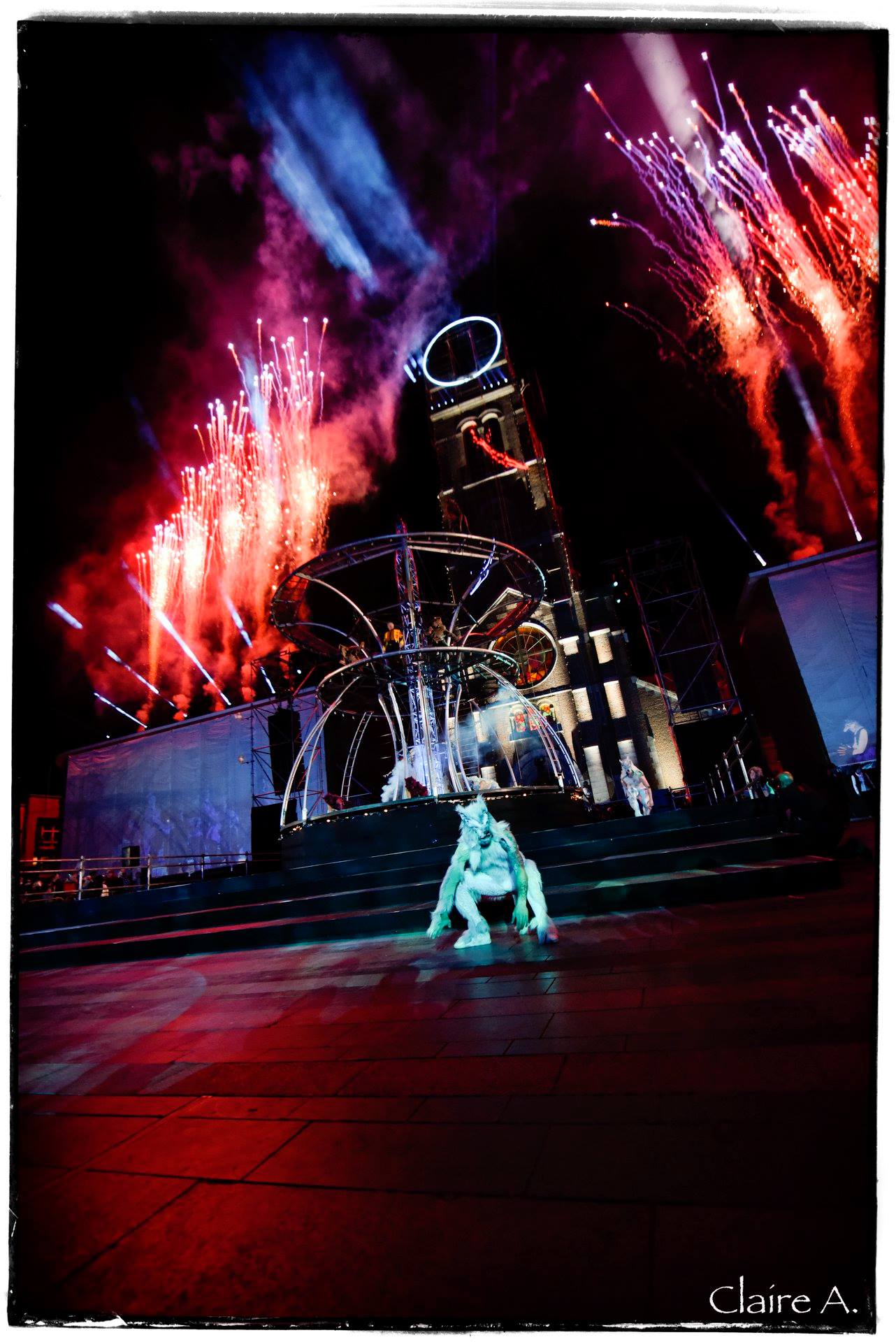
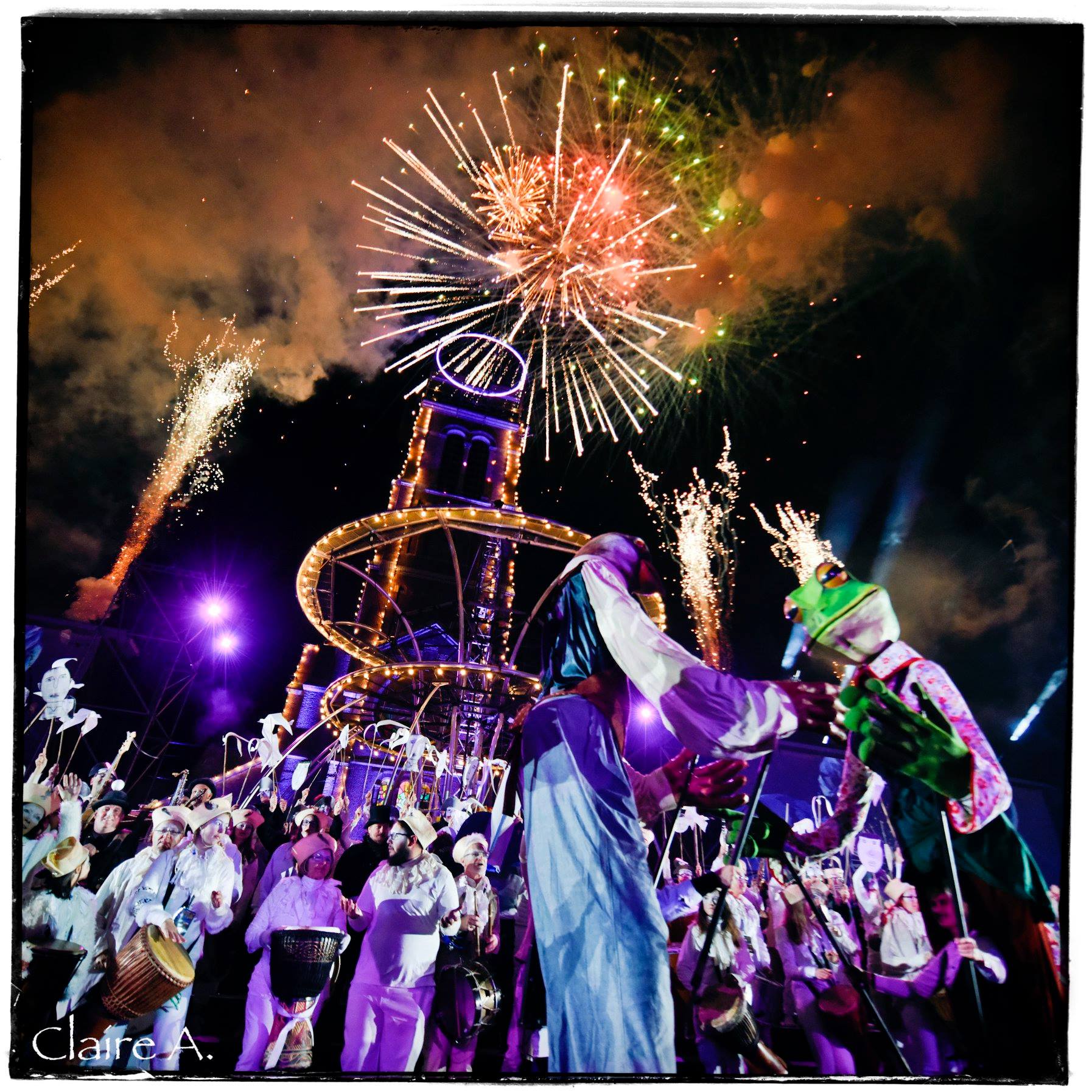
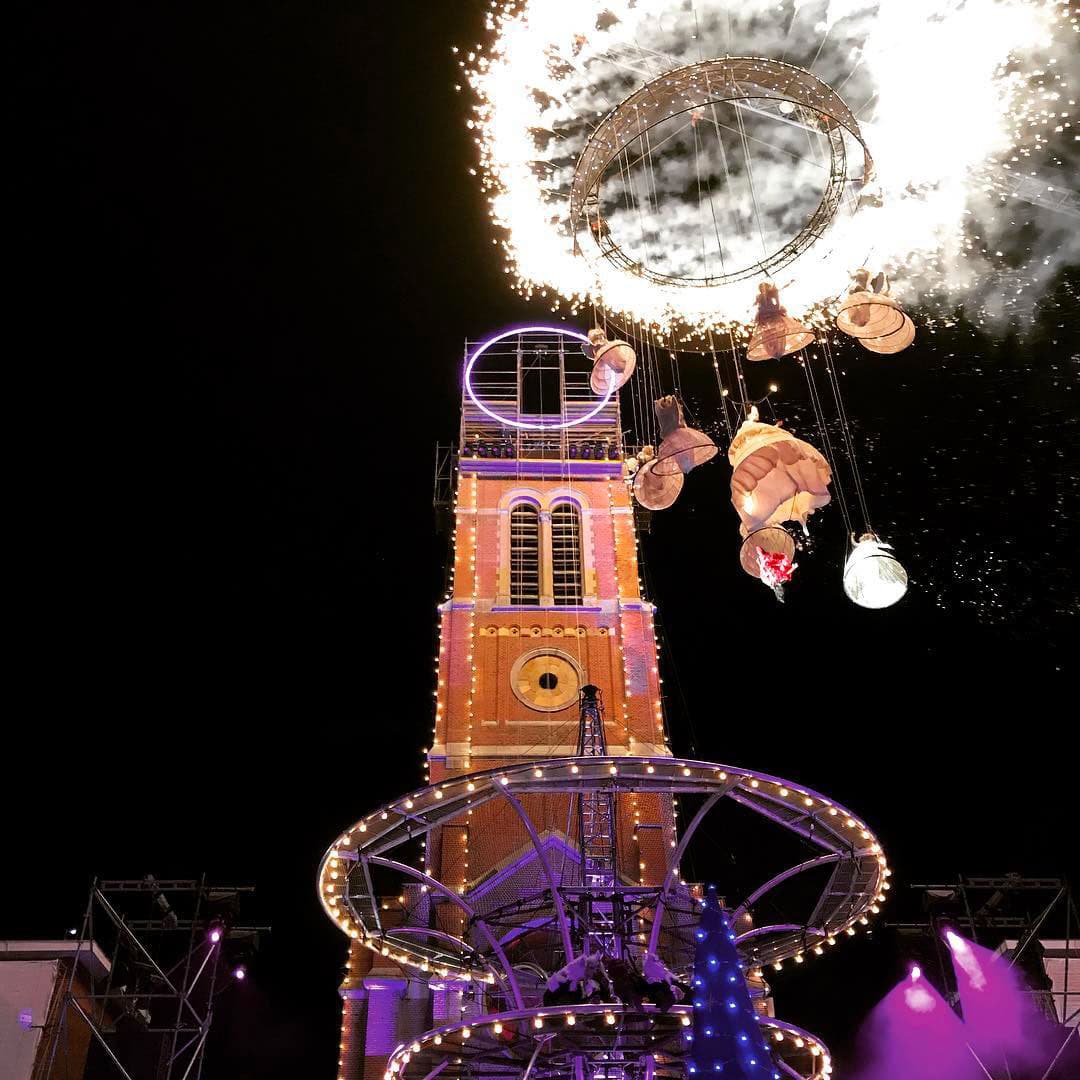
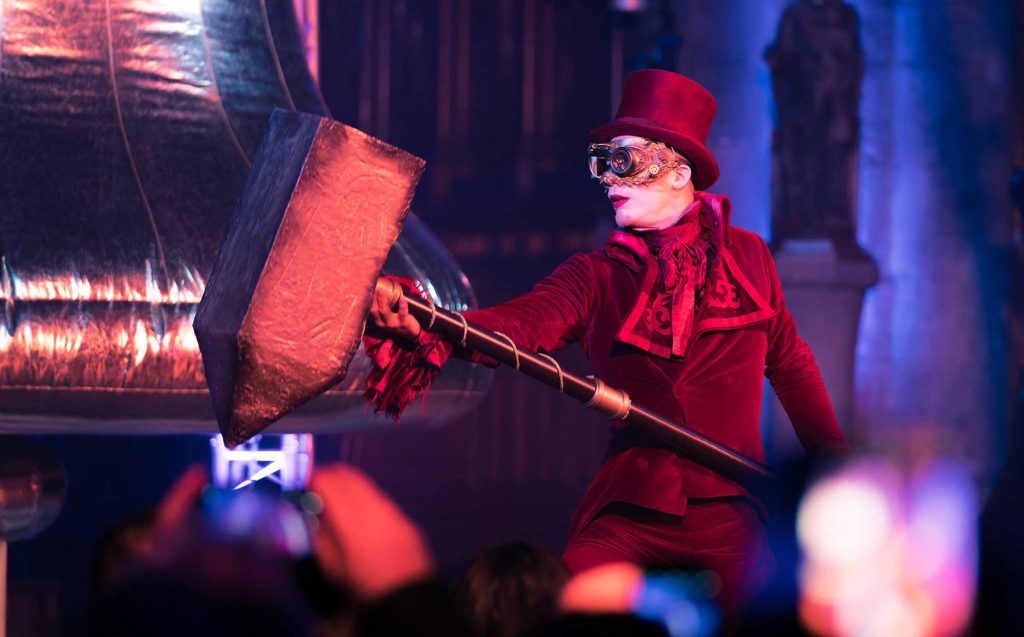
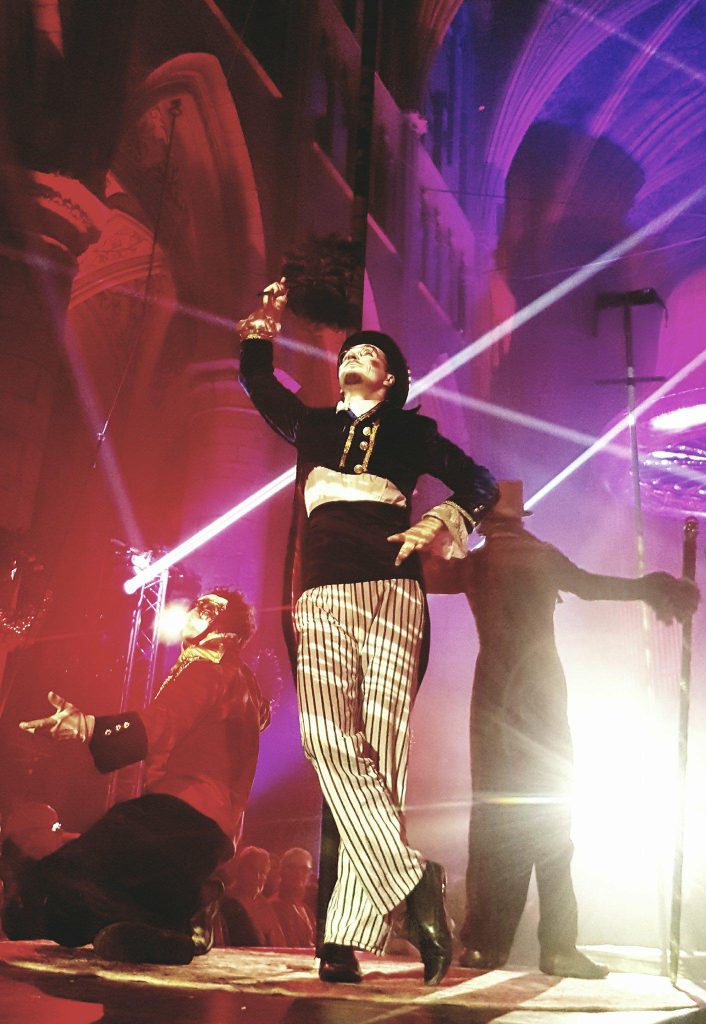
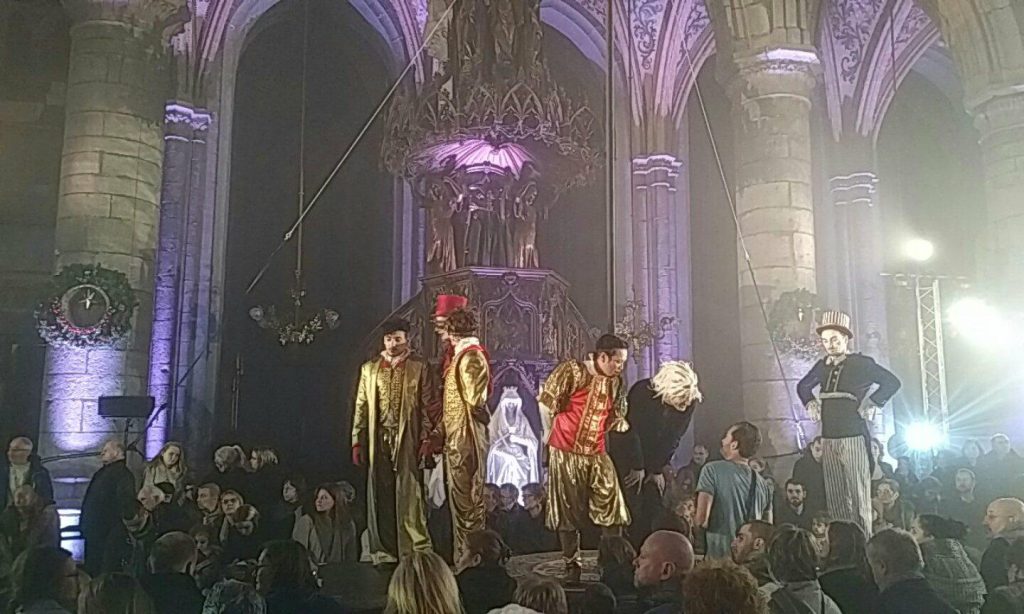
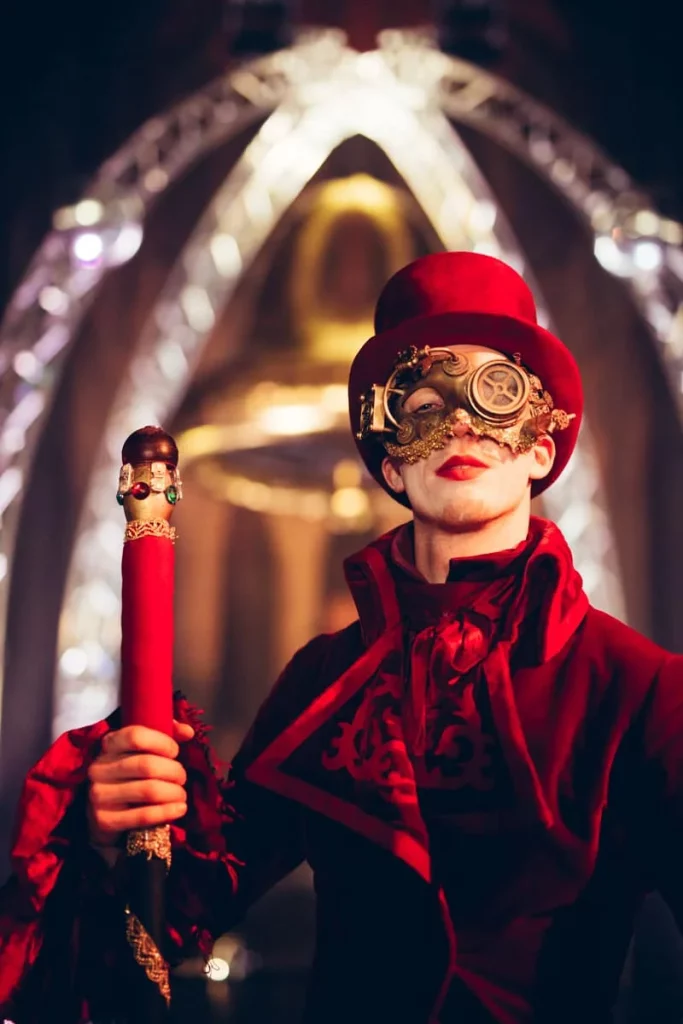
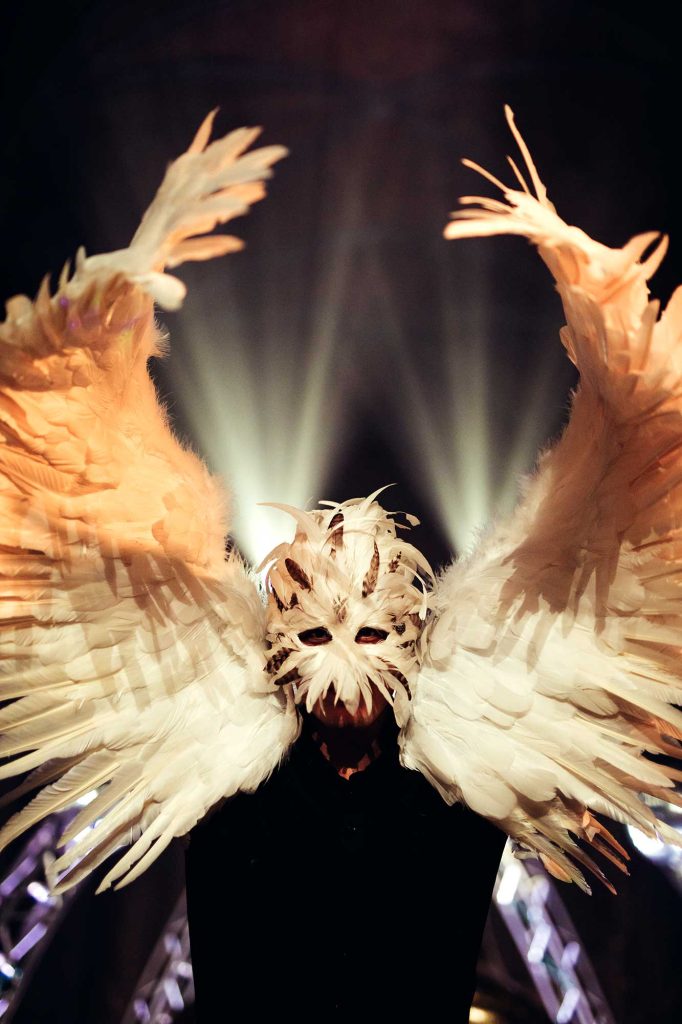
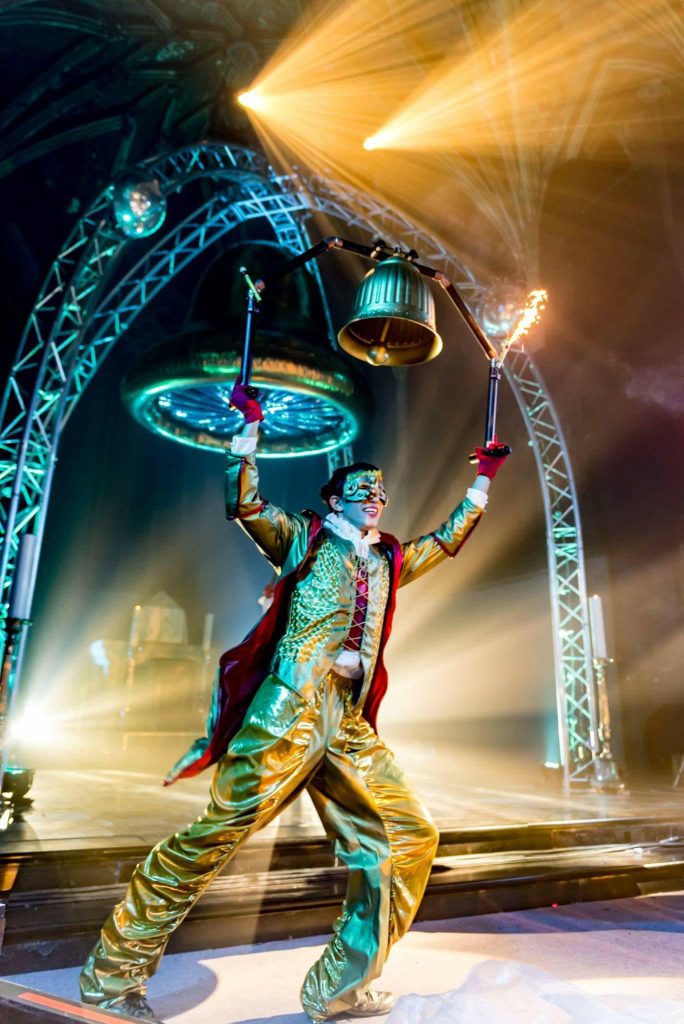
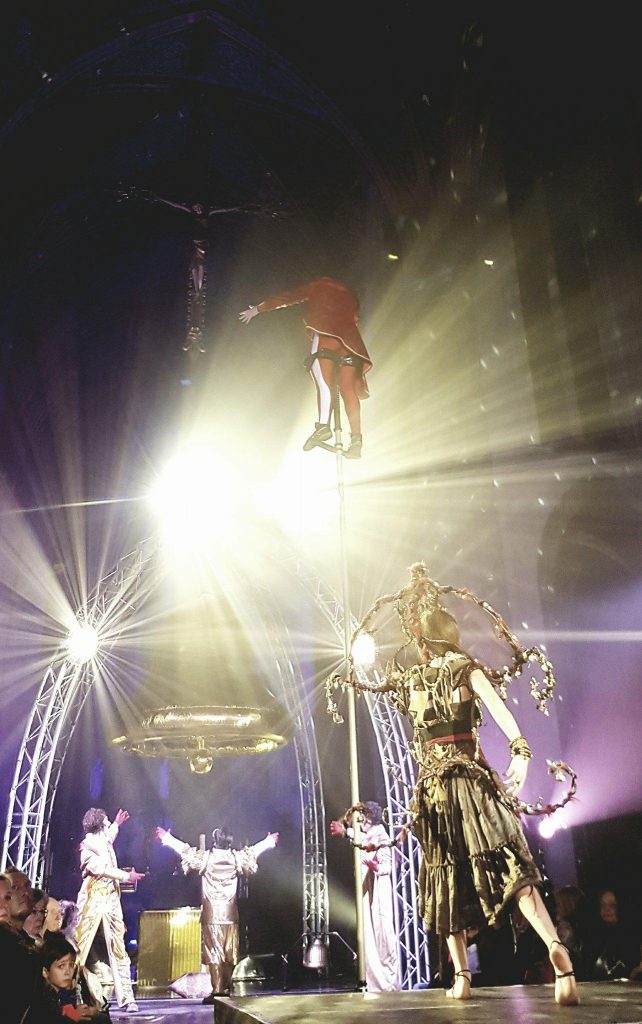
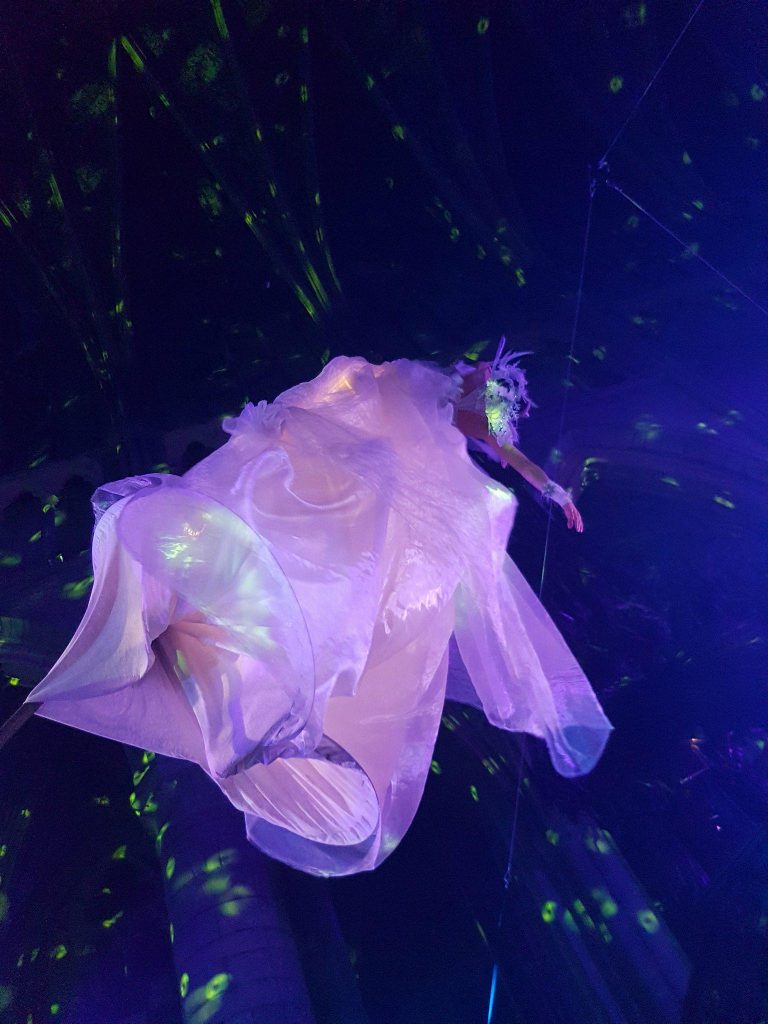
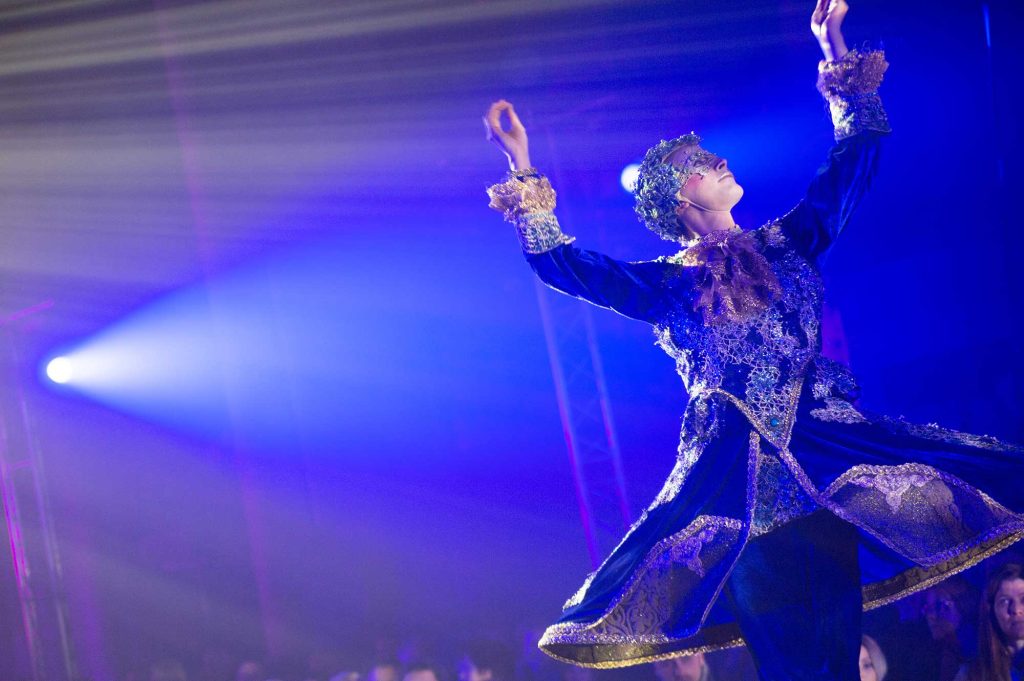
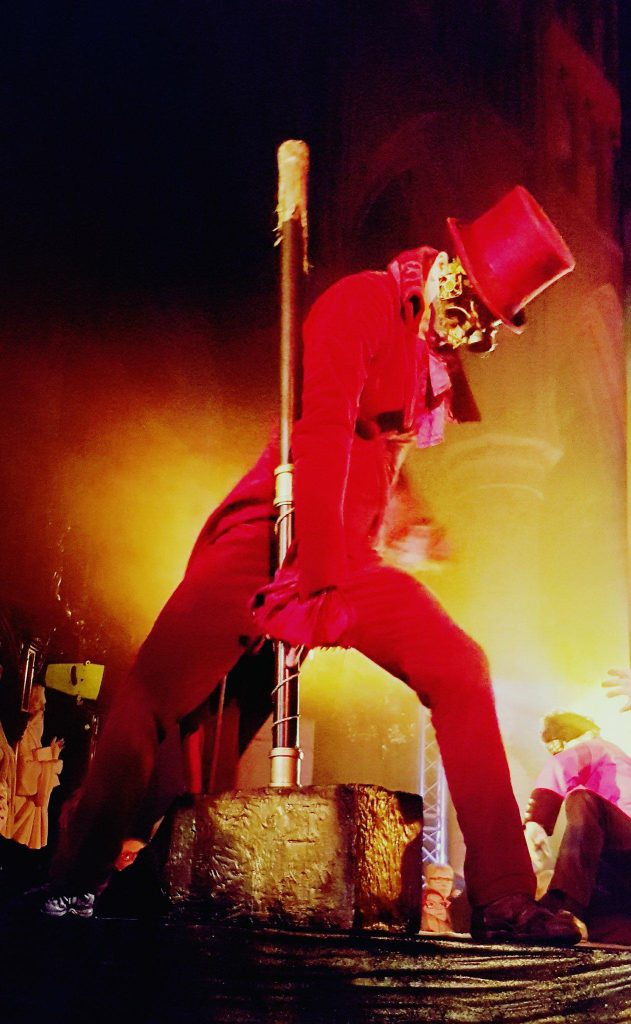
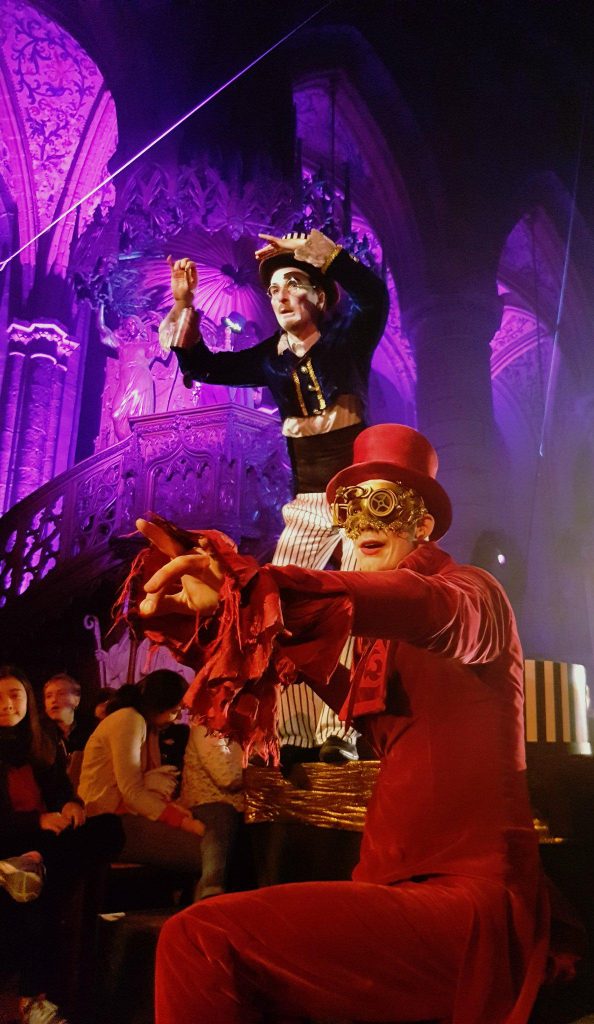
The Great Bell no longer rings.
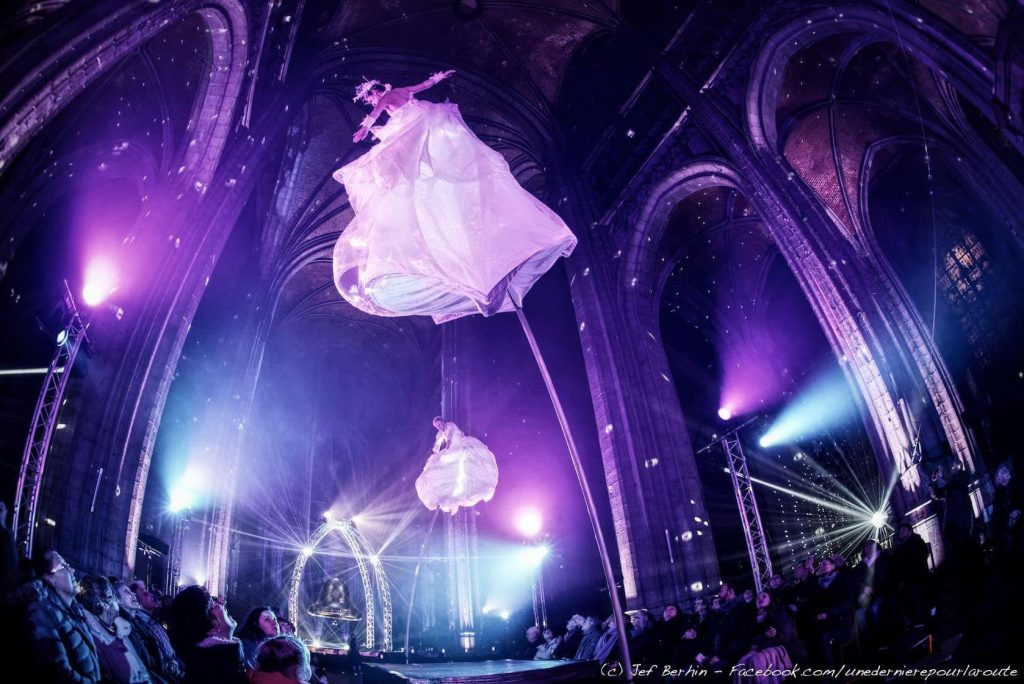
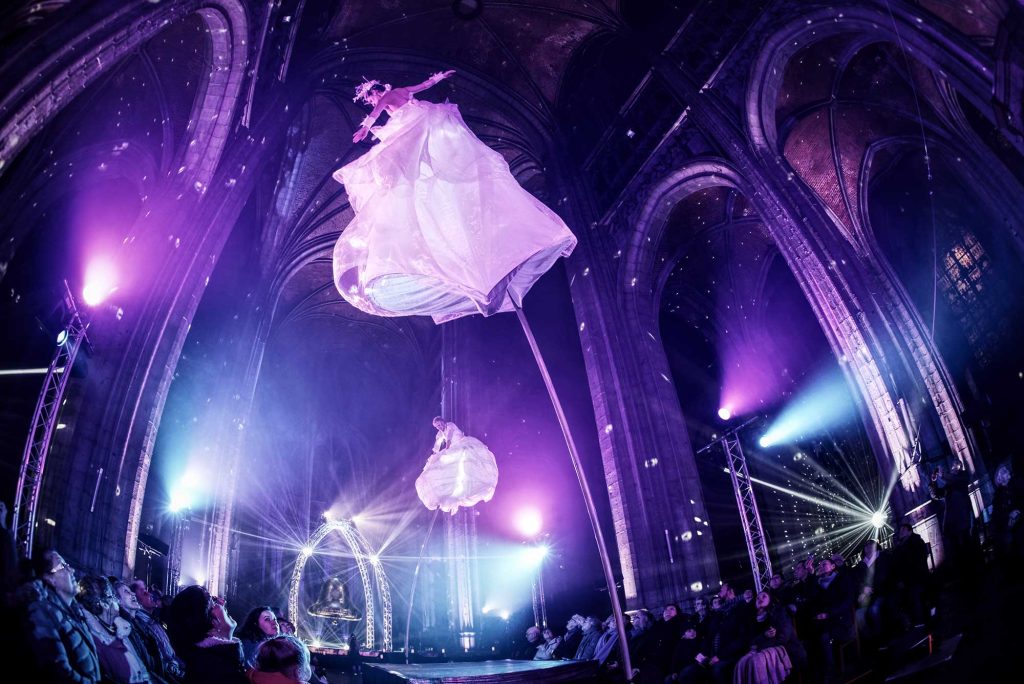
What a tragedy for the Bell Ringer, whose mission is to announce the arrival of Christmas. He must absolutely find a solution as quickly as possible to save Christmas.
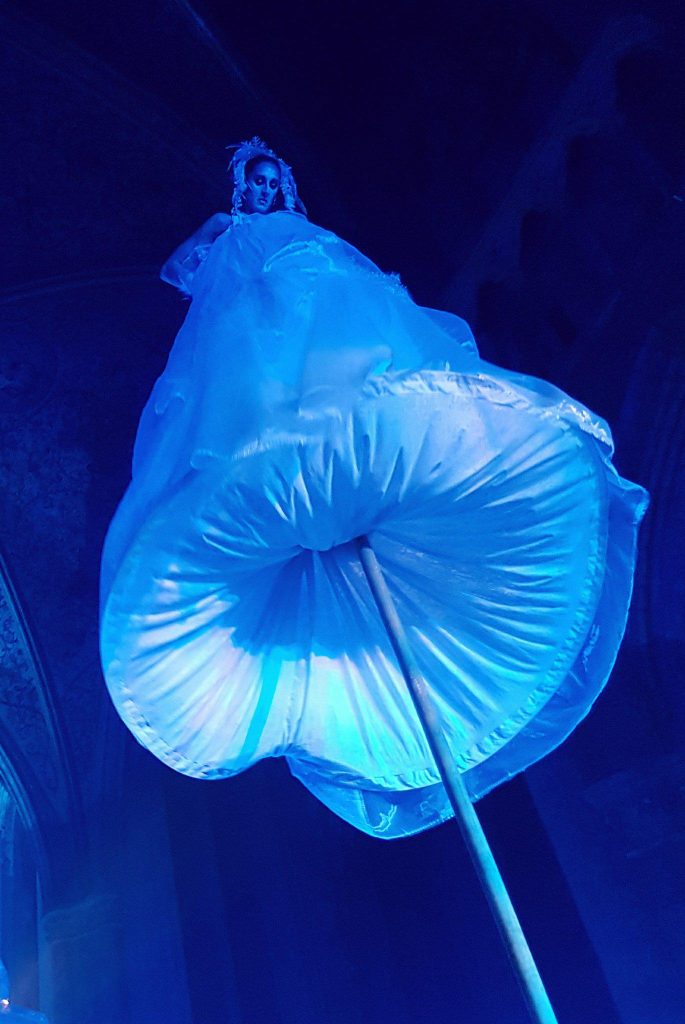
The adventure takes you, alongside the Bell Ringer, to meet unusual and mysterious characters who draw you into a wild journey in search of the sound of the Christmas Bell.
Between music boxes, automatons, and chimes, Luc PETIT and Michel TEHEUX take audiences into a magical audiovisual spiral full of poetry.
Magic, illusions, humour, and dance—everything is staged brilliantly to delight the eyes and ears. An odyssey filled with hope that immerses the audience in the innocence of childhood, guided by the graceful clatter of Christmas’s celestial percussion.
For this first creative adventure alongside Luc Petit, I had the opportunity to shape the luminous world that accompanies The Christmas Bell Ringers. From the very first discussions, the aim was to find the right emotion—the colour that tells a story, the sparkle that highlights a gesture, or the shadow that leaves room for mystery.
My work took shape as an exploration: how can light resonate with the rhythm of the music? How can the artists be wrapped in a warm, festive, or magical aura depending on the scenes? Each moment was conceived as a small story in itself, a fragment of magic to be revealed with delicacy.
The lighting programming was carried out in the same spirit of sensitivity and precision. Cue after cue, I sought to create a visual breathing space—transitions that go unnoticed yet are felt, and lighting accents that support emotions without ever imposing them.
Working with the artistic and technical teams made it possible to weave a true dialogue between the director’s intentions, the performers’ energy, and the poetry that light can offer. This collaboration gave me a space where creativity could be fully expressed, in the service of the sense of wonder that is so characteristic of Luc Petit’s worlds.
For me, this first shared experience marks the beginning of a joint artistic journey, fuelled by inspiration, attentive listening, and a shared desire: to bring magic to life.
This choreographic transposition of Beethoven’s work has no other idea, no other purpose, no other argument than the music that supports it, nourishes it, and is its sole reason for being.
Dance, here, merely follows the slow journey of the composer from anguish to joy, from darkness to light.
This is not a ballet, in the generally accepted sense of the term, superimposed on a score that is one of the summits of music, but a profound human participation in a work that belongs to all humanity and which is here not only played and sung, but danced, just as Greek tragedy was or all primitive and collective religious manifestations.
Maurice Béjart
A monumental work, driven by extraordinary collective energy.
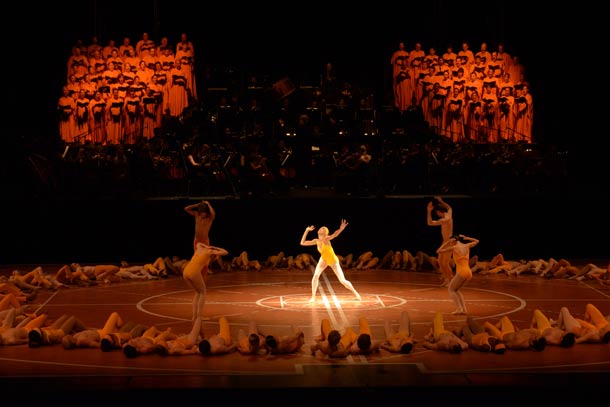
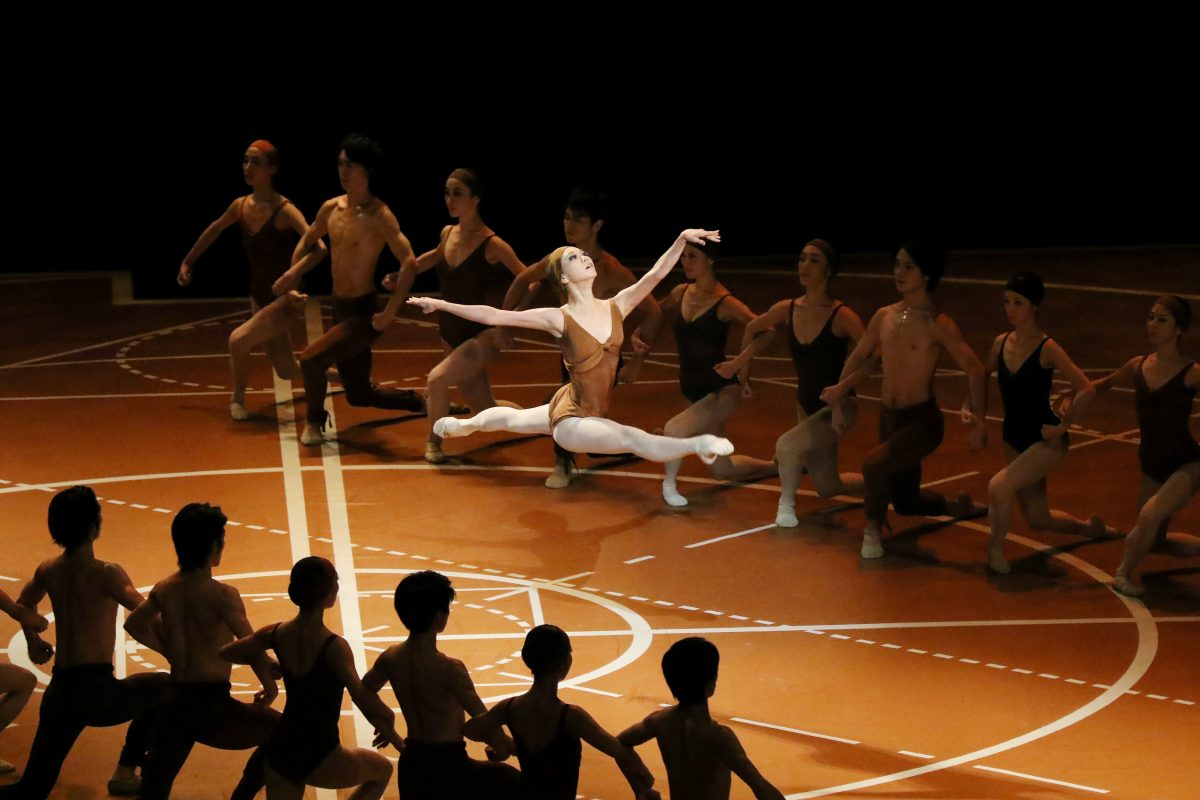
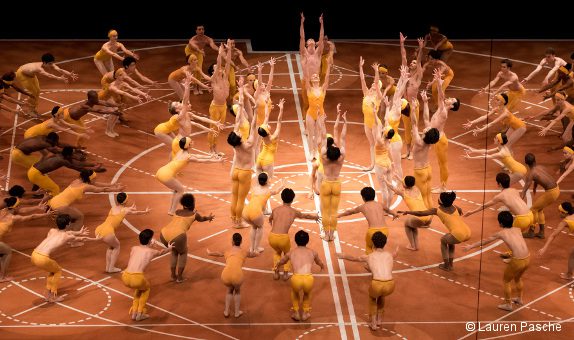
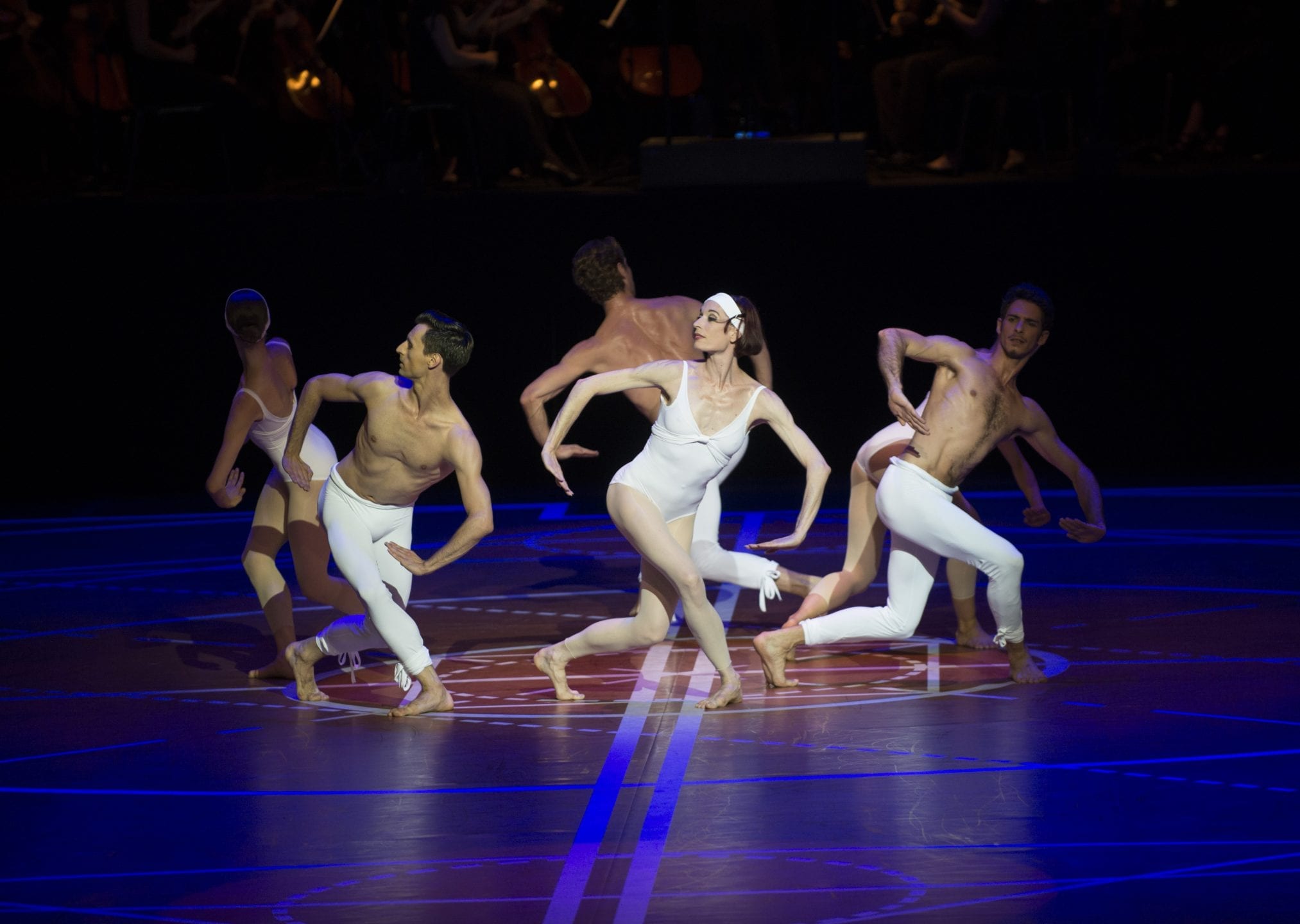
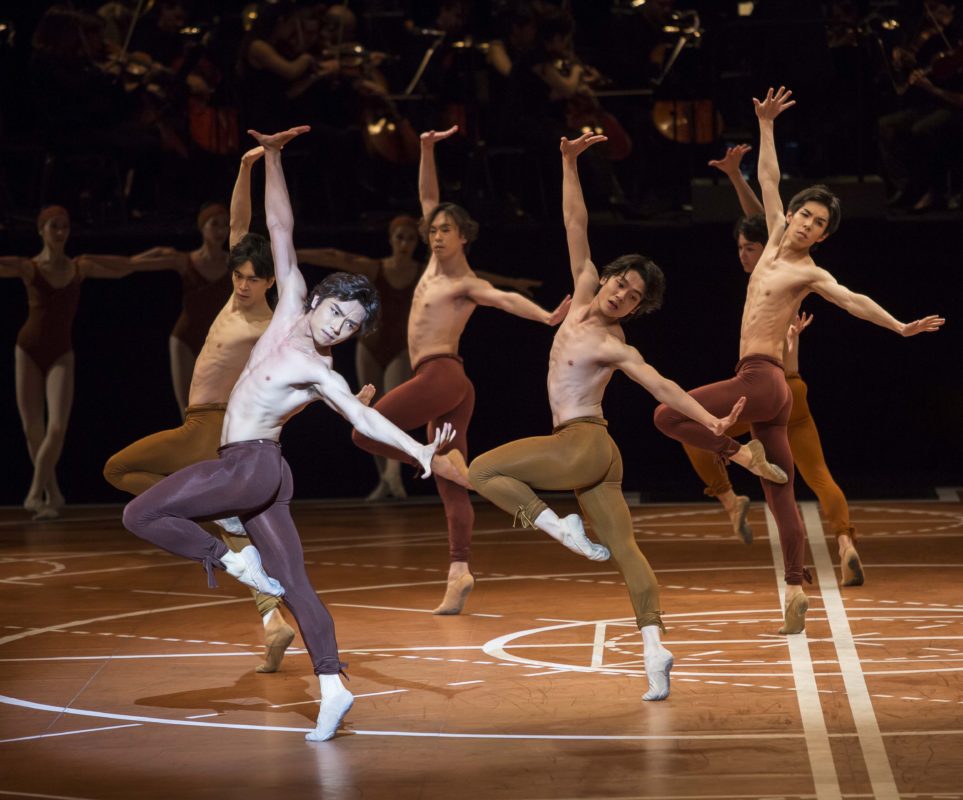
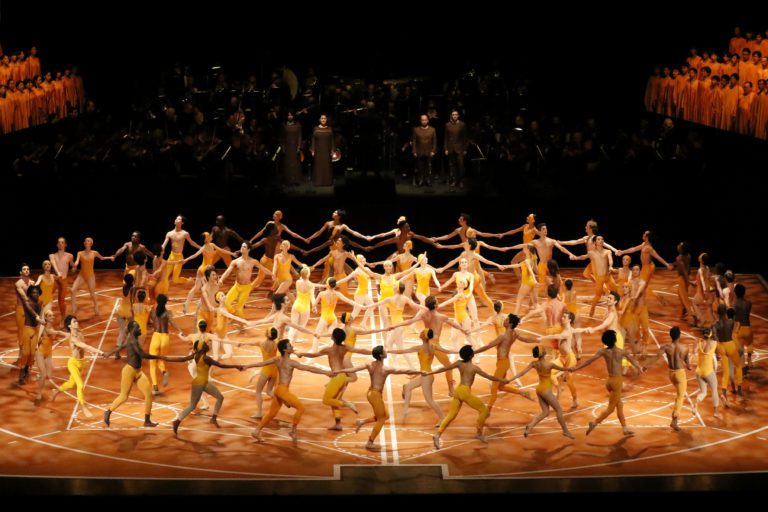
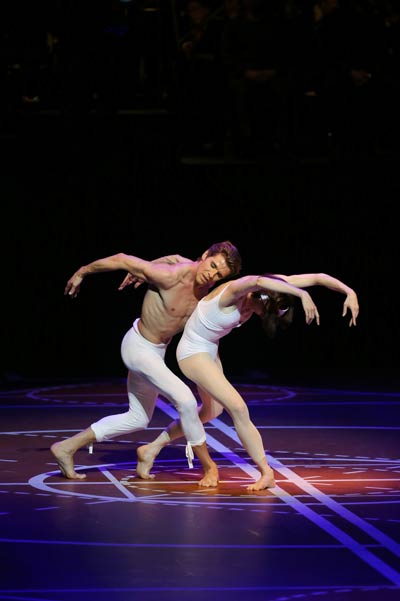
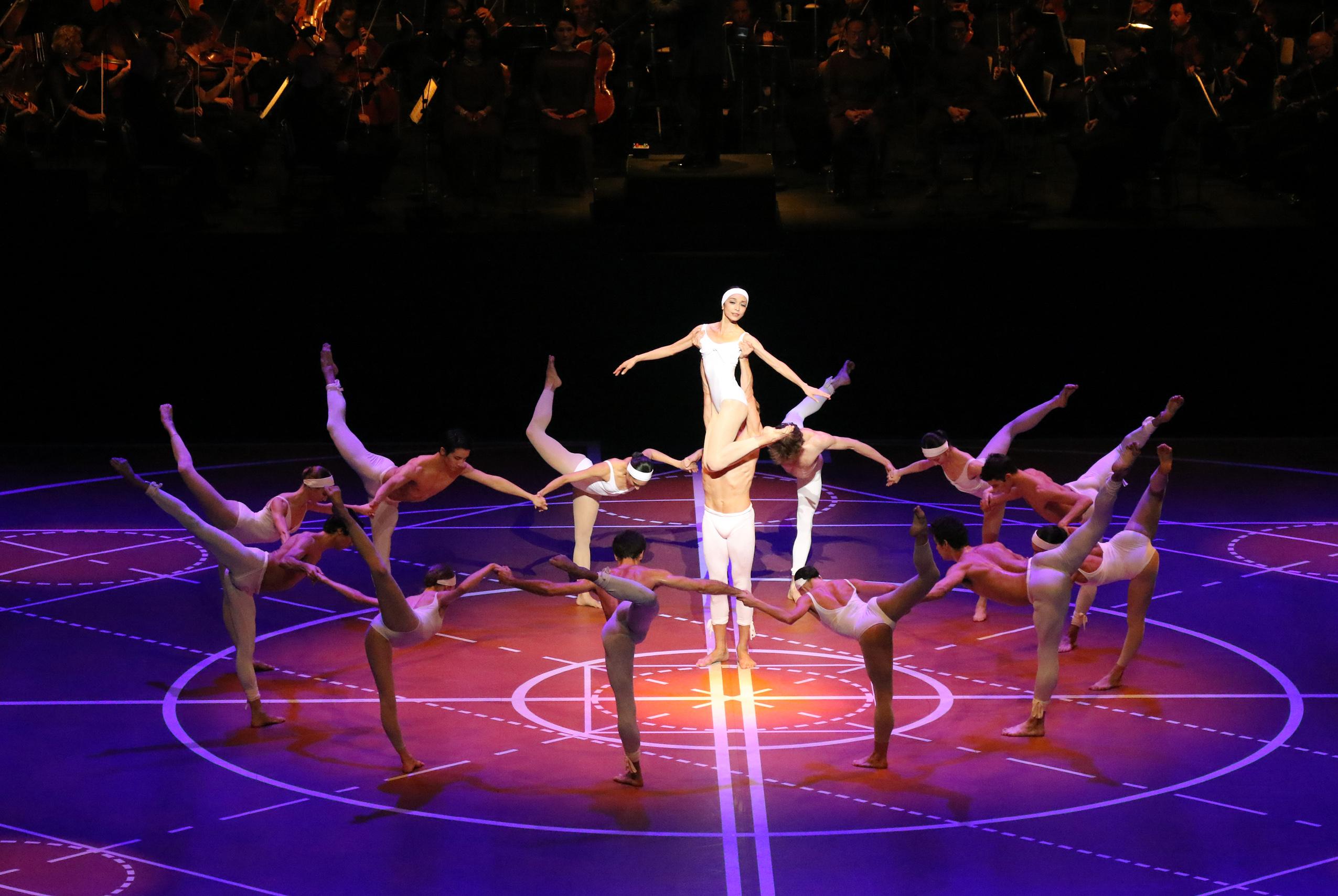
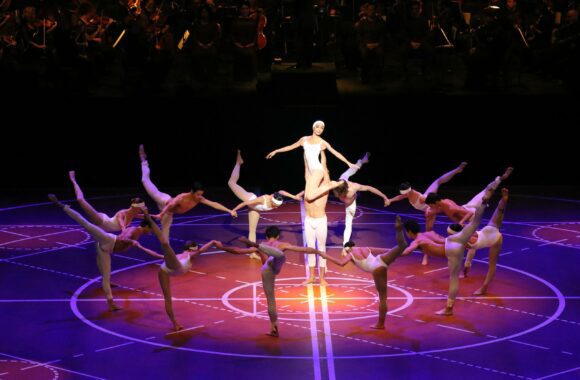
With Maurice Béjart’s 9th Symphony, the stage becomes a total space where music, dance, and light converge in rare intensity. This iconic piece, powered by Beethoven’s force, demands technical and artistic excellence equal to its ambition.
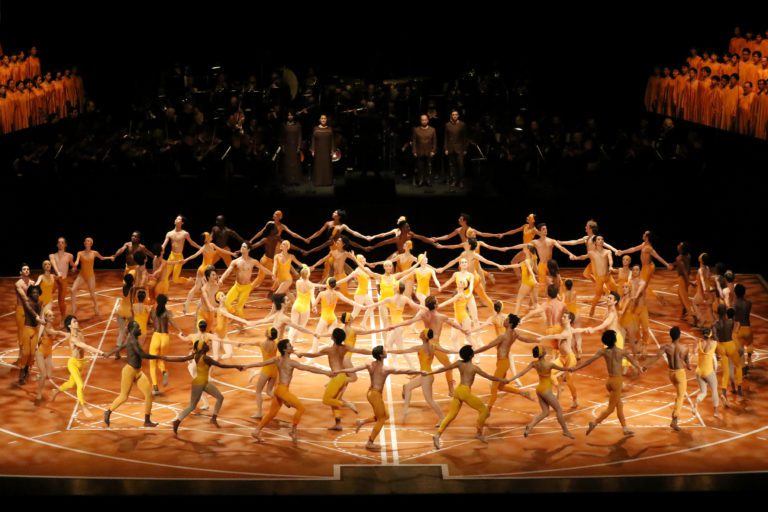
Bringing together over 200 artists on stage—dancers, choir members, and musicians—the performance operates on a spectacular scale where every element must be perfectly controlled.
On this production, we held the role of lighting technical manager. A key position at the heart of the operation, responsible for implementation, precision, and reliability of the entire system.
Our work involved coordinating teams, ensuring installation and operation, and maintaining perfect execution of the lighting design under all conditions. Anticipation, rigor, and responsiveness were essential to support such a dense work, where every detail matters.
In a production of this magnitude, technique becomes invisible when mastered. This is where success lies: enabling the stage to express itself fully, without constraint, in service of the artists and the audience.
Choreography: Maurice Béjart
Texts: Friedrich Nietzsche, Friedrich von Schiller
Music: Ludwig Van Beethoven, Citypercussion
Original sets, lighting and costumes: Joëlle Roustand, Roger Bernard
Lighting design: Dominique Roman
Costume design: Henri Davila
Technical manager: François Vandermeeren